History & meaning.
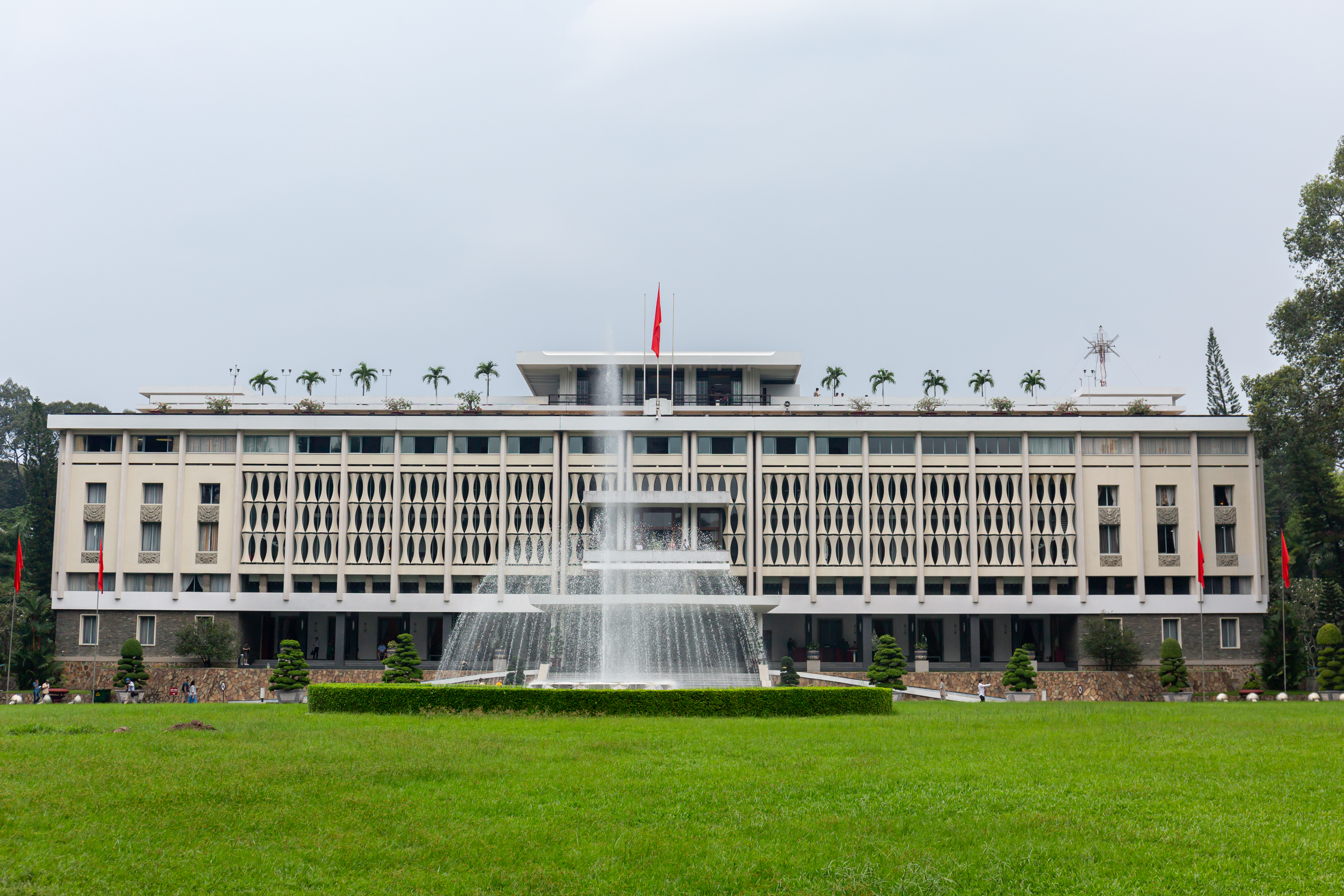
The Declaration of Independence on September 2, 1945 was read by President Ho Chi Minh in Hanoi, but Ho Chi Minh City — as the largest city and economic center of unified Vietnam — holds commemorations of equal scale. In 2025, for the first time in history, Ho Chi Minh City organized a large-scale military parade and march to mark the 80th anniversary of National Day — an unprecedented milestone. Each year, the National Day commemoration in Ho Chi Minh City opens with a solemn flag-raising ceremony at Independence Palace at 7am. City leaders, representatives of various agencies, and veterans in uniform stand in neat rows in the palace courtyard — the national anthem rises, the flag is slowly raised. In the afternoon, cultural and artistic events unfold at April 30th Park and the City Theater with thousands of artists performing. Programs typically re-enact key historical milestones from 1945 to the present through dance, theater, and light projection.
Independence Palace — also called Reunification Palace — is the spiritual center of National Day in Ho Chi Minh City. This building contains within itself the entirety of Vietnam's modern history: built on the site of the French colonial Norodom Palace, redesigned by architect Ngo Viet Thu in 1962–1966 in a modernist language deeply infused with East Asian character. The ground floor holds international reception rooms and state banquet halls; upper floors contain the working rooms, strategy rooms, and bedroom of President Nguyen Van Thieu's family — all preserved exactly as they were on April 30, 1975. Most arresting is the underground command bunker on the B2 level: dark rooms with outdated communications equipment and battle maps still hanging on the walls — a scene that makes visitors pause longer than any other exhibit. On September 2, entry is free and crowds are often lighter than usual — an ideal time to explore.
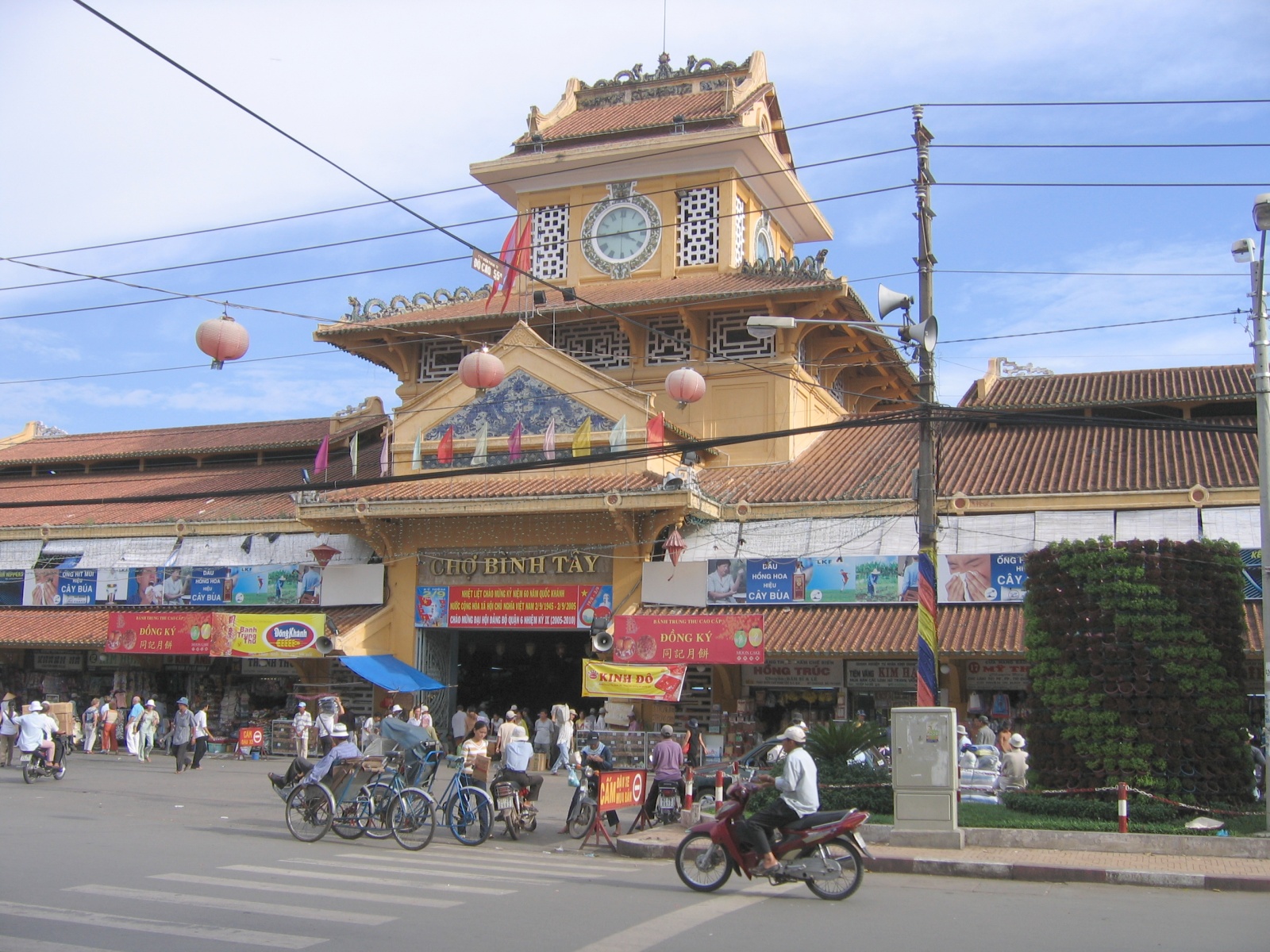
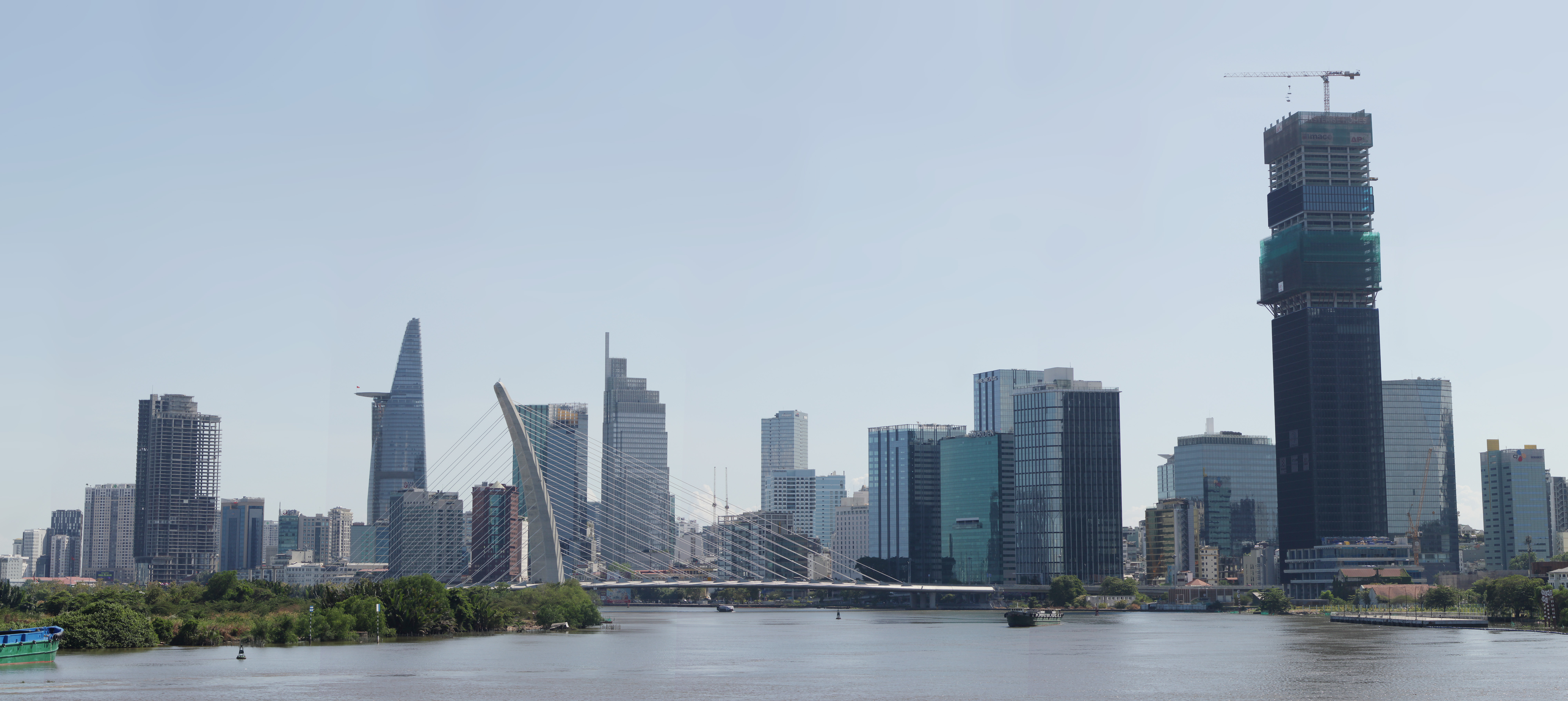
The atmosphere of September 2 in Ho Chi Minh City is distinctly different from Hanoi — where ceremonies are more formal at Ba Dinh. Ho Chi Minh City receives National Day in the characteristic style of a southern Vietnamese city: energetic, open, and festive. Central streets are partially closed for street fairs and food festivals. Western-oriented districts like Bui Vien (District 1) hold their own celebrations with live music and mixed performances — reflecting the city's cosmopolitan character. During the day, families take young children to the War Remnants Museum (Vo Van Tan Street, District 3) — displaying emotionally powerful documents and artifacts about the war. As afternoon turns to evening, crowds begin flowing toward the riverbank, everyone knowing what awaits at 9pm.
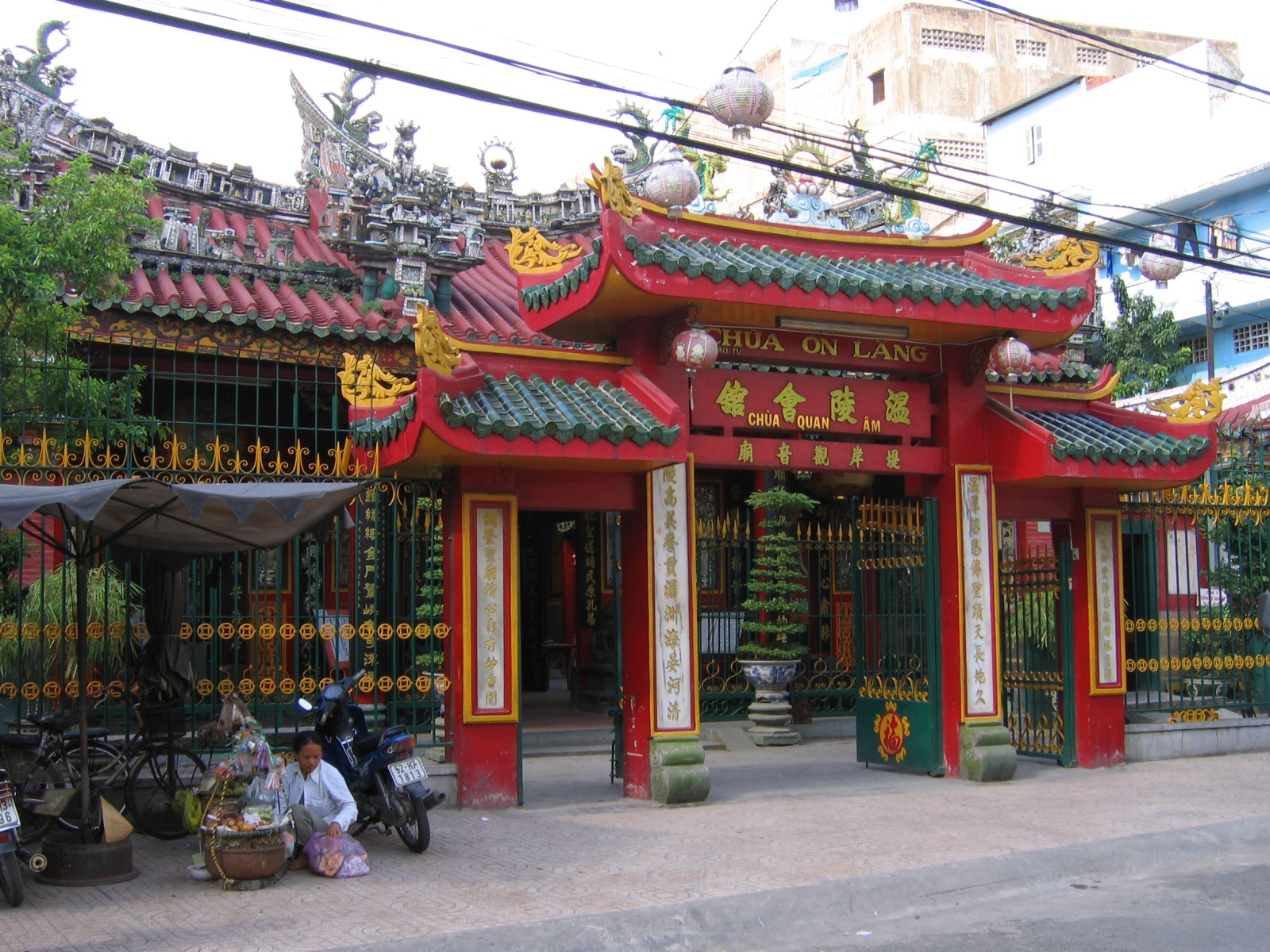
The night of September 2 in Ho Chi Minh City is a night of red and a very particular kind of noise. From 7pm, Ton Duc Thang Street and Bach Dang Quay are already densely packed — families spreading mats on the ground, young people sitting on railings, street vendors weaving through the crowd with small flags and blinking lights. Music from makeshift stages along the riverbank, the animated conversation of millions of voices combining into a sound unmistakable anywhere. At exactly 9pm, when the first fireworks explode — a roar instantly rises from millions of people. Each burst of fireworks is met with applause, cheers, and the incessant sound of cameras. And when the display ends — a brief moment of silence before everyone calls out together, then slowly flows home in a massive human tide moving in every direction.
"Vietnam has the right to enjoy freedom and independence, and in fact has become a free and independent country."
Chủ tịch Hồ Chí Minh — Tuyên ngôn Độc lập, 2/9/1945
Highlights not to miss.
The National Day fireworks over the Saigon River are Ho Chi Minh City's largest pyrotechnic display of the year — surpassing even the Tet fireworks in technical complexity and emotional impact. Multiple launch points are positioned along the river, creating a surrounding effect for viewers standing at Bach Dang Quay. Reflections on the Saigon River produce a doubly magnificent spectacle — both the sky and the water glowing simultaneously.
On September 2, Independence Palace — normally requiring a paid ticket — opens free of charge to all visitors. This is the best opportunity to explore this historic building without expense: from the presidential conference rooms, the B2 bunker with its wartime communications equipment, to the rooftop with panoramic views of the city center. The T-54 tank in the courtyard is an obligatory photo stop.
The War Remnants Museum (Vo Van Tan Street, District 3) is one of the most visited museums in Southeast Asia and should be visited during the day on September 2 before heading to the riverbank in the evening. The exhibition floors covering Agent Orange, ordnance, and war diaries provide the deep historical context for what National Day is truly commemorating.
If Bach Dang Quay is too crowded, try Thu Thiem Bridge and the Thu Thiem riverbank promenade (District 2) — wider views, fewer people, but arrive before 7:30pm. Rooftop bars and restaurants along the river also sell fireworks-viewing packages with drinks — more comfortable but costly.
How to attend & get there.
Ideal September 2 Itinerary
8–11am: Visit Independence Palace (free) and the War Remnants Museum. 11am–1pm: Lunch in District 1 — many restaurants remain open. 3–6pm: April 30th Park and Le Duan Boulevard for daytime cultural activities.
Preparing for the Evening Fireworks
Arrive at Bach Dang Quay before 8:30pm — after 8pm the area is already very crowded and good spots are hard to find. Avoid the Nguyen Hue area in the evening — more crowded but with a worse river view than Bach Dang Quay. Wear red — not required but an informal Saigon tradition. Bring water and flat shoes as you will be standing for many hours.
Sources
- 1.National Day September 2 Celebrations — Ho Chi Minh City Portal
Ho Chi Minh City People's Committee Portal · 2026-06-20
- 2.Quốc khánh 2/9 tại TP.HCM — Báo Nhân Dân
Báo Nhân Dân · 2026-06-20