Story & history.
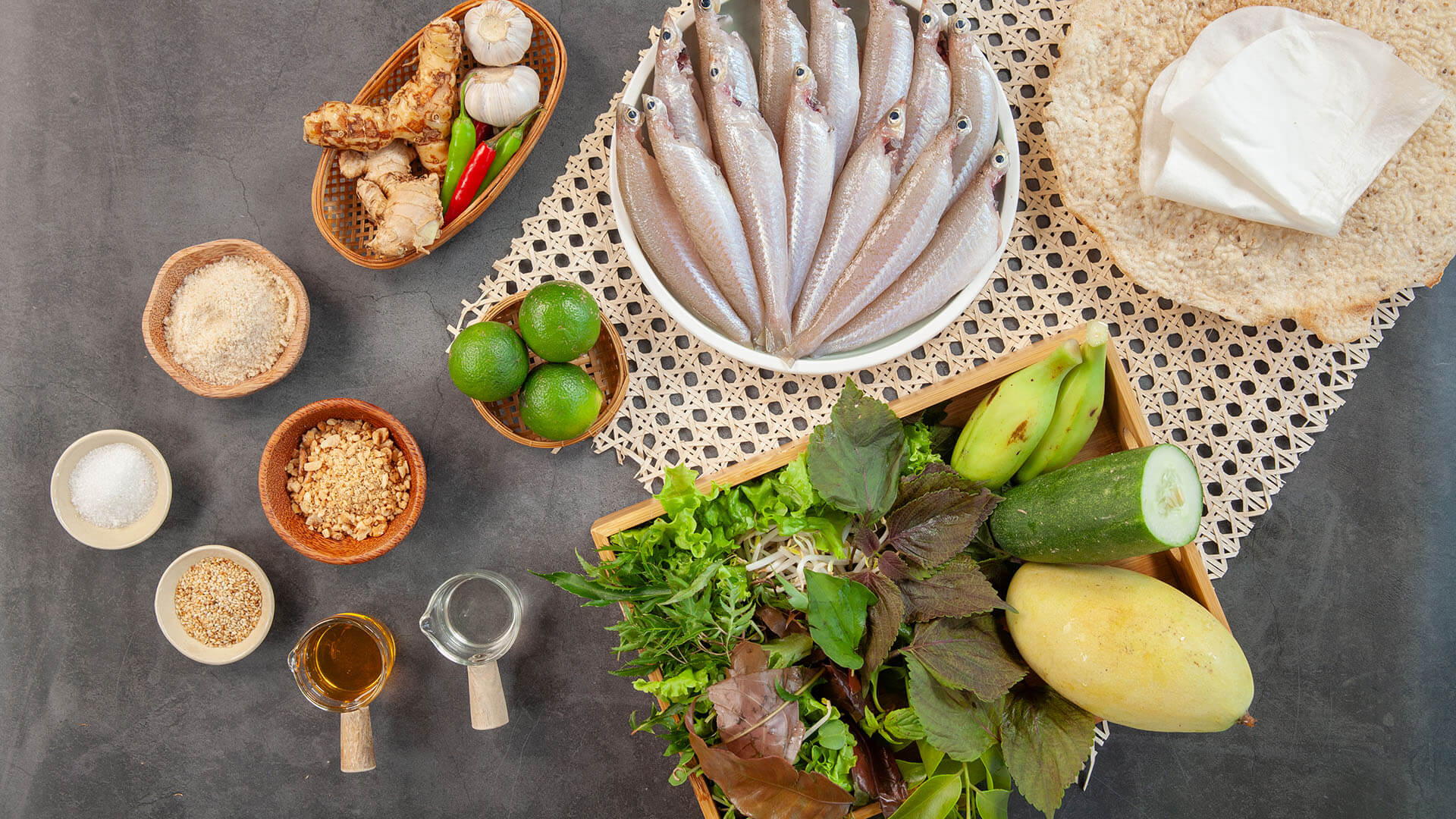
Goi ca Nam O is the specialty of Nam O village — an ancient fishing hamlet at the foot of Hai Van Pass, documented in historical records from the 15th century when King Le Thanh Tong anchored his vessel here during his southward campaign. Nam O fishermen make raw fish salad from fresh mackerel — small sea fish caught in schools every early morning — by marinating directly with lime juice to "cook" the fish protein through acid, then mixing with mắm nêm, ginger, lemongrass and local herbs. This "raw cooking" technique (a Vietnamese form of ceviche) is believed to date from the time when Cham people inhabited this land before the Vietnamese arrived, carrying the imprint of Cham maritime civilization across a thousand years of history. The freshness of the fish is the critical factor — Nam O goi ca is only delicious when eaten within two hours of the fish being caught.
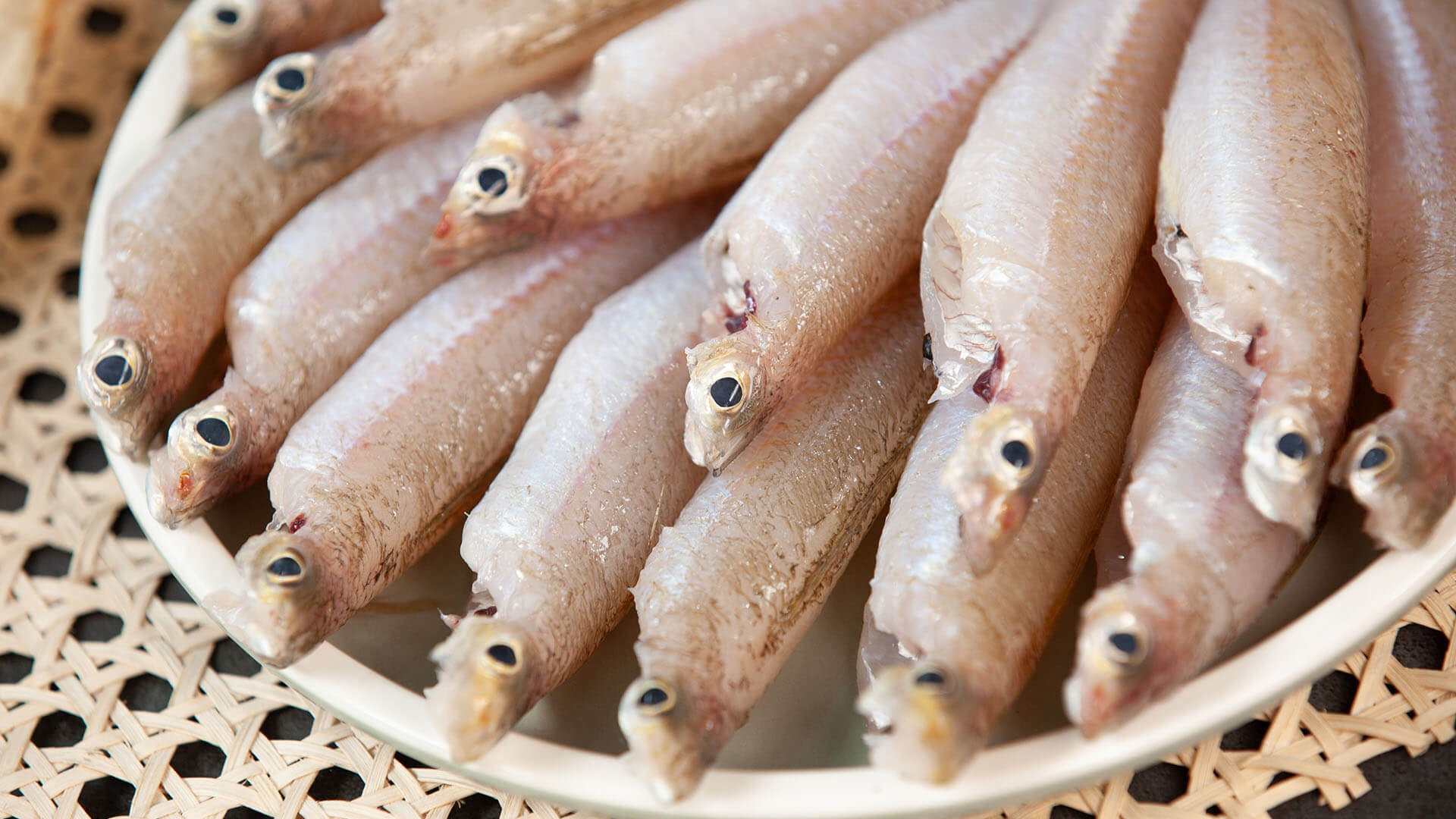
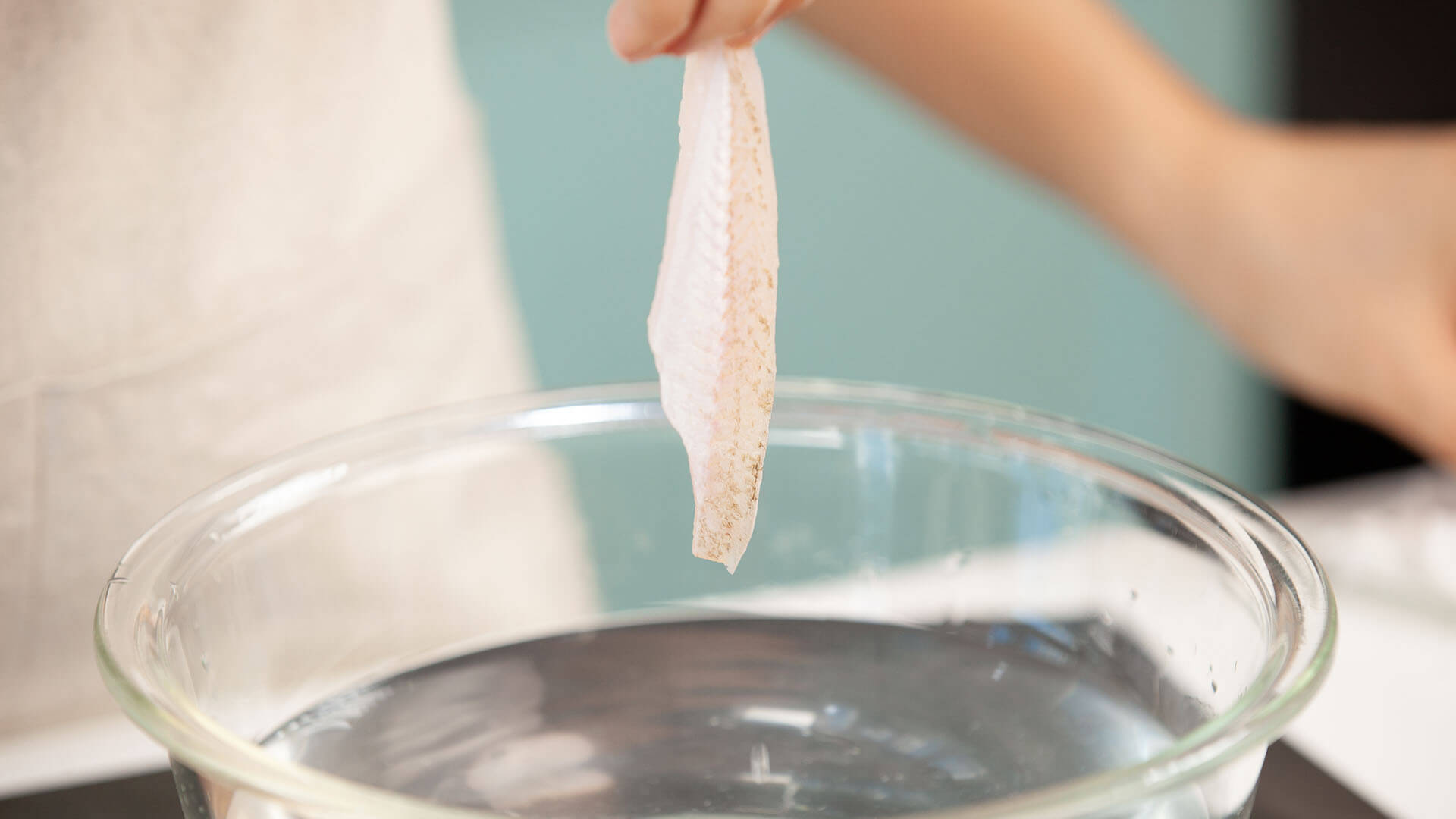
The craft of making Nam O goi ca passes from generation to generation within each family — the secret lies in the lime ratio and marinating time: too much lime "overcooks" the fish and destroys its freshness; too little leaves the fish unsafe to eat raw. The one non-negotiable element is the quality of each family's homemade mắm nêm — Nam O people ferment anchovy sauce from fish caught at the waters beneath Hai Van Pass, where currents from north and south meet to create a unique marine ecosystem producing the richest, most fragrant anchovies in Central Vietnam. Eating Nam O goi ca is inseparable from toasted rice crackers and local herbs — the balance between raw and cooked, between sea and garden, is the sole culinary identity of this fishing village.
Nam O village today faces the challenges of urban development — many areas of the village have been cleared for resort development projects, threatening to erase centuries of traditional goi ca and mắm nêm craftsmanship. In 2019, following extensive opposition from the community and cultural researchers, Da Nang city authorities directed the development of a partial conservation plan for the ancient fishing village. Goi ca Nam O is therefore not merely a dish — it is a symbol of the struggle to preserve coastal cultural identity in the face of rapid urbanization, and every plate of goi ca eaten in Nam O today is an act of support for the survival of an entire heritage.
Great fish salad needs the right herbs—to carry heat and aroma into balance.
— Tạp chí Ẩm thực Việt Nam, VnExpress (2022)
Ingredients — what makes the flavour.
Best enjoyed with friends: share plates, build wraps together, try different herbs.
How to enjoy it properly.
Start light
Make smaller wraps and reduce bitter herbs if you're new. Dip gently.
Build up
Once comfortable, add more wild herbs and heat to taste the full Nam O character.
Editor-recommended eateries.
ⓘ Addresses and prices may change. Please verify before visiting.