History & meaning.
Lim Festival is the largest traditional festival of the ancient Kinh Bac region, held on the 13th day of the first lunar month in Lim town, Tien Du district, Bac Ninh province — just 30km from central Hanoi. Its defining feature is Quan Ho singing on Lim Hill, on boats, and in village communal houses, creating a unique musical cultural space of the Red River Delta. Quan Ho is a distinctive form of antiphonal courtship folk singing between groups of lien anh and lien chi, requiring no instrumental accompaniment — only the pure human voice. In 2009, UNESCO recognized Quan Ho Bac Ninh as an Intangible Cultural Heritage of Humanity. The Kinh Bac region — covering today's Bac Ninh and Bac Giang — is one of the oldest cultural centres of the Vietnamese people, with a history tied to the founding myths of the Dragon and the Fairy. Lim Festival is a rare opportunity to witness this music in its historical context and natural setting.
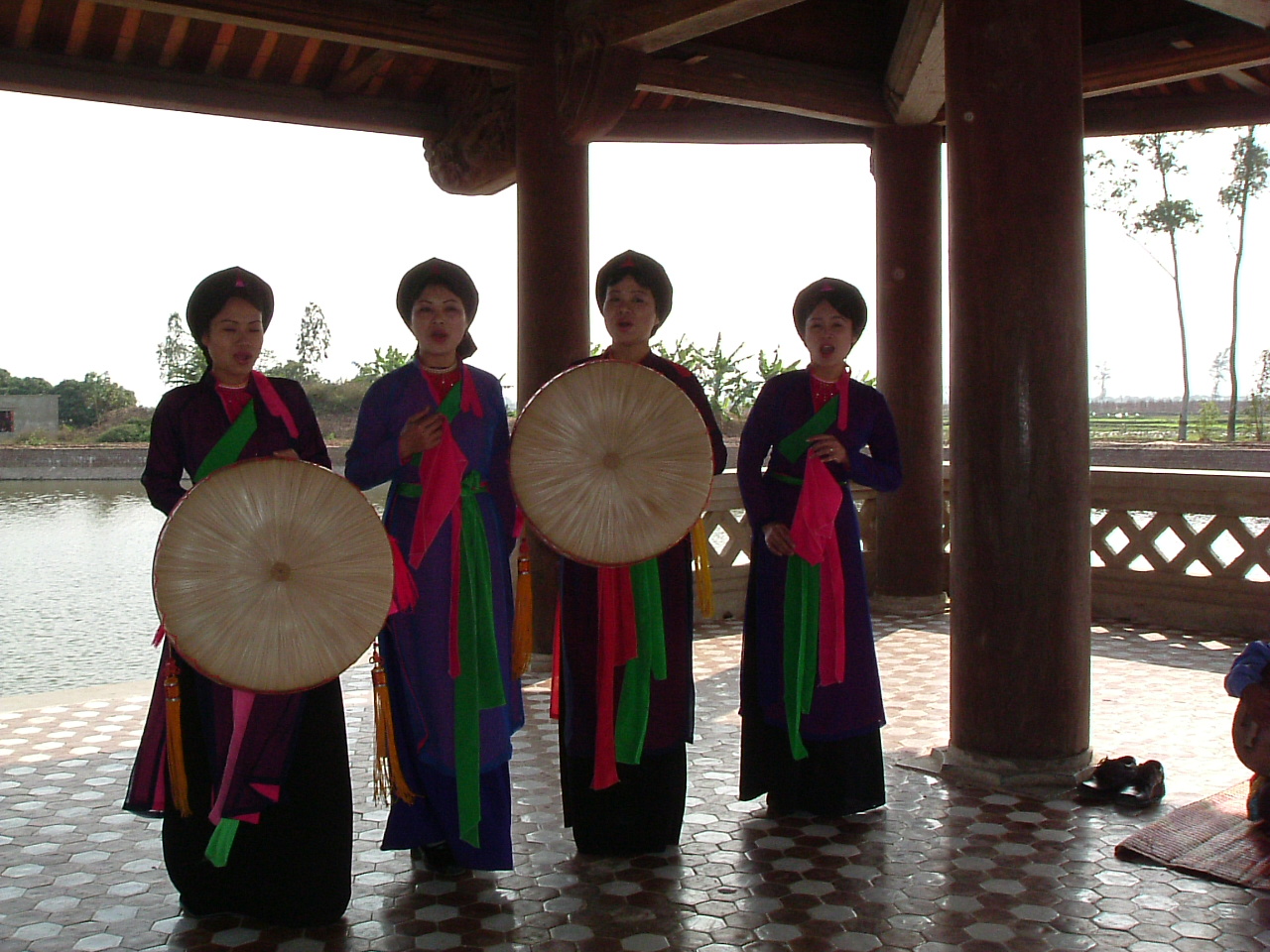
The ceremonial portion is held at Lim Communal House — a well-preserved traditional timber structure — to honour Hieu Trung Hau, regarded as the founding ancestor who taught Quan Ho folk singing to Lim villagers centuries ago. Incense offerings and ritual texts are read with solemnity, attended by elderly Quan Ho artisans in traditional dress — those who still remember and preserve hundreds of classical Quan Ho songs never formally recorded. After the ceremony, the main Quan Ho singing sessions begin: on Lim Hill, groups of lien anh and lien chi sit facing each other on mats spread under the trees, singing call-and-response in an atmosphere that is both formal and deeply emotional. Each lien anh group must 'answer' a lien chi phrase with one of identical melody but different content — a form of musical improvisation demanding both deep knowledge and immediate creativity. These singing matches can last for hours, with dozens of classical Quan Ho songs sung in traditional sequence.
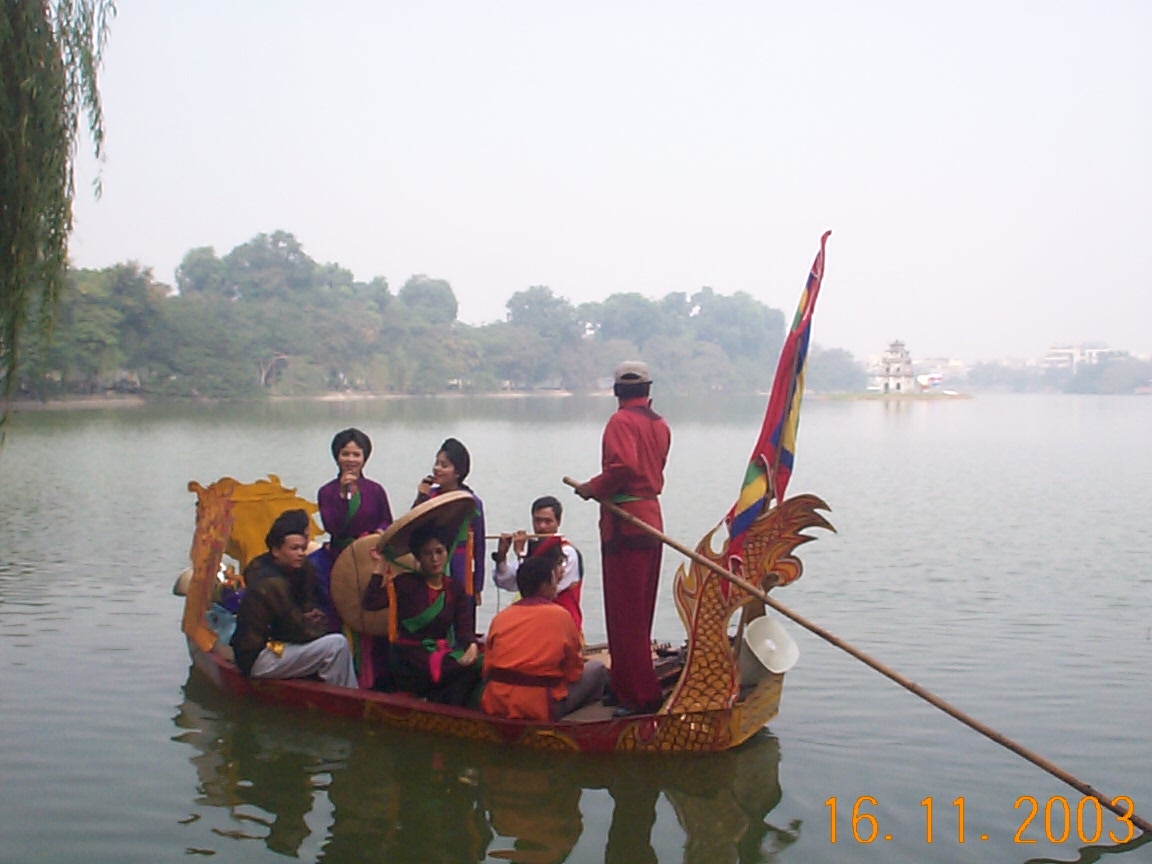
Lim Festival is not only a music festival — it is also a gathering space for folk games and traditional cultural activities of the Kinh Bac region. Wrestling, chess tournaments, weaving competitions, and demonstrations of traditional crafts run alongside the singing sessions. Food stalls sell Bac Ninh nem rolls, banh phu the (husband-and-wife cakes), and local specialties to long queues. In particular, the boat singing on Lim Lake in the afternoon is the most beautiful time of day — afternoon light reflecting on the still water, voices drifting across the quiet space, creating a scene that approaches the poetic. Many foreign visitors attending Lim Festival for the first time say it is the first time they have truly understood the power of unamplified music.
The experience of Lim Festival is a journey through hearing, sight, and touch. Quan Ho singing heard from a distance — high, sustained, deeply emotional — sounds as if from another world. The colours of the four-flap dresses, the broad hats, and the silk umbrellas of the performers create vivid focal points against the backdrop of hills and the silver-grey January lake. The cool air of the first lunar month, the scent of incense from Lim Communal House, the smell of grilled banh phu the — all weave into a sensory memory that cannot be recreated. Leaving the festival on the bus back to Hanoi, many carry the song 'Oh dear one, do not go' like a quiet impression imprinted on the heart.
Oh dear one, stay — do not go / After you leave, I still weep in silence, night after night
Câu Quan họ cổ truyền — làn điệu 'Người ở đừng về', dân ca Bắc Ninh
Highlights not to miss.
Boat singing is the most iconic and unique image of Lim Festival. The boats are decorated with coloured silks and fresh flowers — lien anh sit in one boat, lien chi in the facing boat, separated by a few metres of still water. The quiet lake surface creates a special acoustic effect: the voice carries further and resonates more deeply than on the hill. Visitors can observe from the shore or rent a small boat for a closer vantage point.
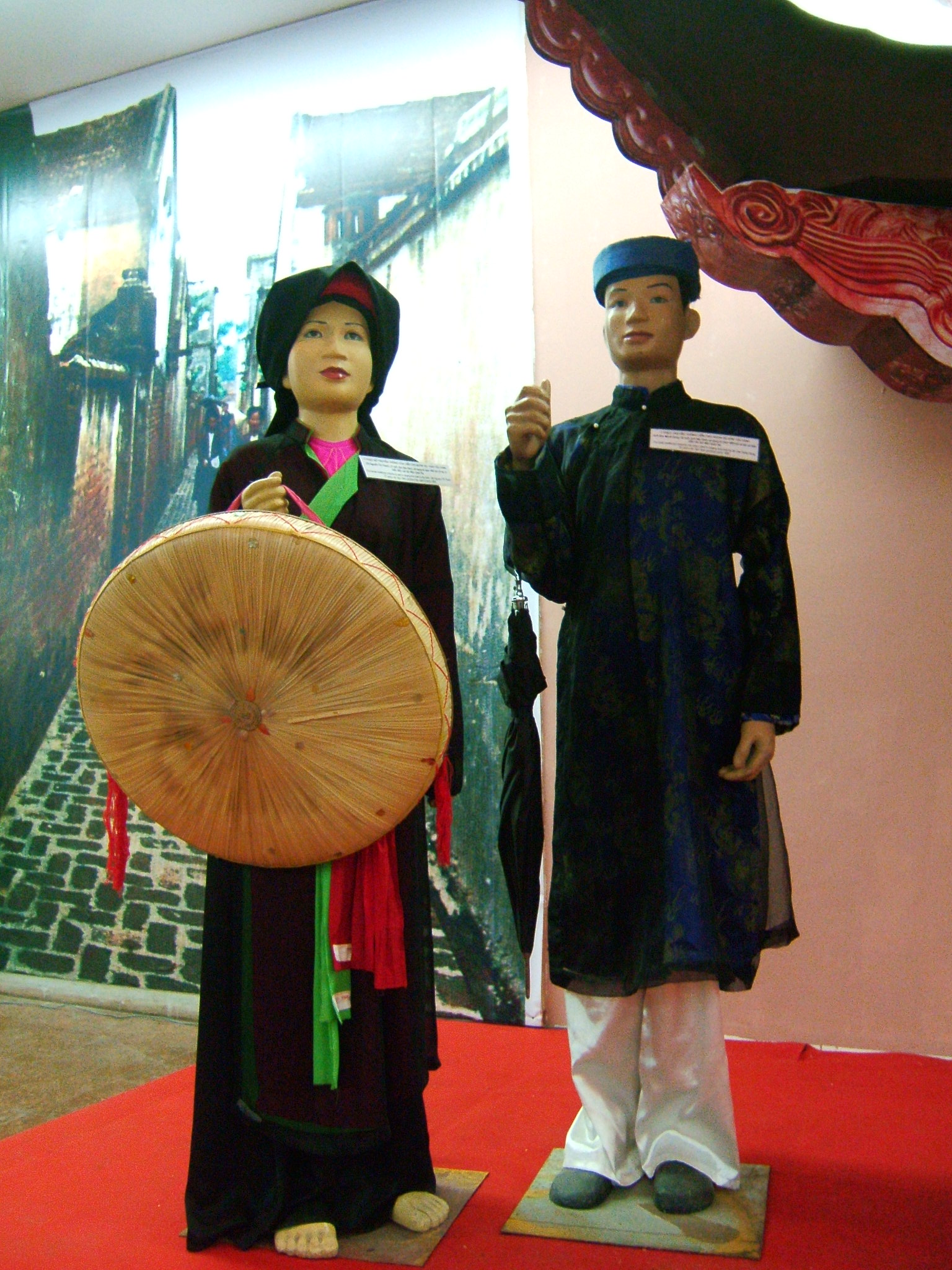
The costumes of lien anh and lien chi are centuries of Kinh Bac aesthetic heritage made visible. Lien chi wear the four-flap ao tu than in yellow or dark brown, the large-brimmed nón quai thao hat, a silk waistband, and a red bodice — a colour combination of subtle refinement that cannot be improvised. Lien anh wear black ao dai, layered turbans, and carry silk umbrellas. When a group appears together, their combined dress creates a living tableau of classical northern Vietnamese folk aesthetics.
One of the most precious experiences at Lim Festival is hearing elderly Quan Ho master performers — those who carry in memory hundreds of classical songs never formally transcribed. Many masters are in their 70s or 80s, having sung since girlhood and devoted their lives to transmission. Hearing an 80-year-old woman's Quan Ho voice in a village communal house is simultaneously moving and sacred — like hearing time itself speak.
Boat singing sessions typically begin around 9–10am and continue into the afternoon. The afternoon is usually less crowded with better light — ideal for photography and listening in a quieter atmosphere. If you only have limited time, prioritise the lake boat singing over the folk games.
How to attend & get there.
Getting There from Hanoi
From Hanoi, there are two ways to reach Lim Festival: take a Bac Ninh coach from My Dinh bus station (45–60 minutes, 30,000–40,000 VND) then a motorbike taxi or Grab from central Bac Ninh to Lim (15 more minutes); or rent a motorbike/self-drive via National Highway 1A toward Bac Ninh and then take the provincial road. Book transport early on the 13th day of the first lunar month as demand is high.
Weather and Preparation
The first lunar month in Hanoi and Bac Ninh is typically cool at 12–18°C with frequent drizzle. Bring a warm jacket, an umbrella, or a light rain jacket. Flat comfortable shoes are a good choice as you will walk considerably on Lim Hill. Cash is the primary payment method throughout the festival grounds.
Sources
- 1.Hội Lim — Cổng thông tin Bắc Ninh
UBND tỉnh Bắc Ninh · 2026-06-20
- 2.Quan Ho Bac Ninh Folk Songs — UNESCO Intangible Heritage
UNESCO · 2026-06-20