Story & history.
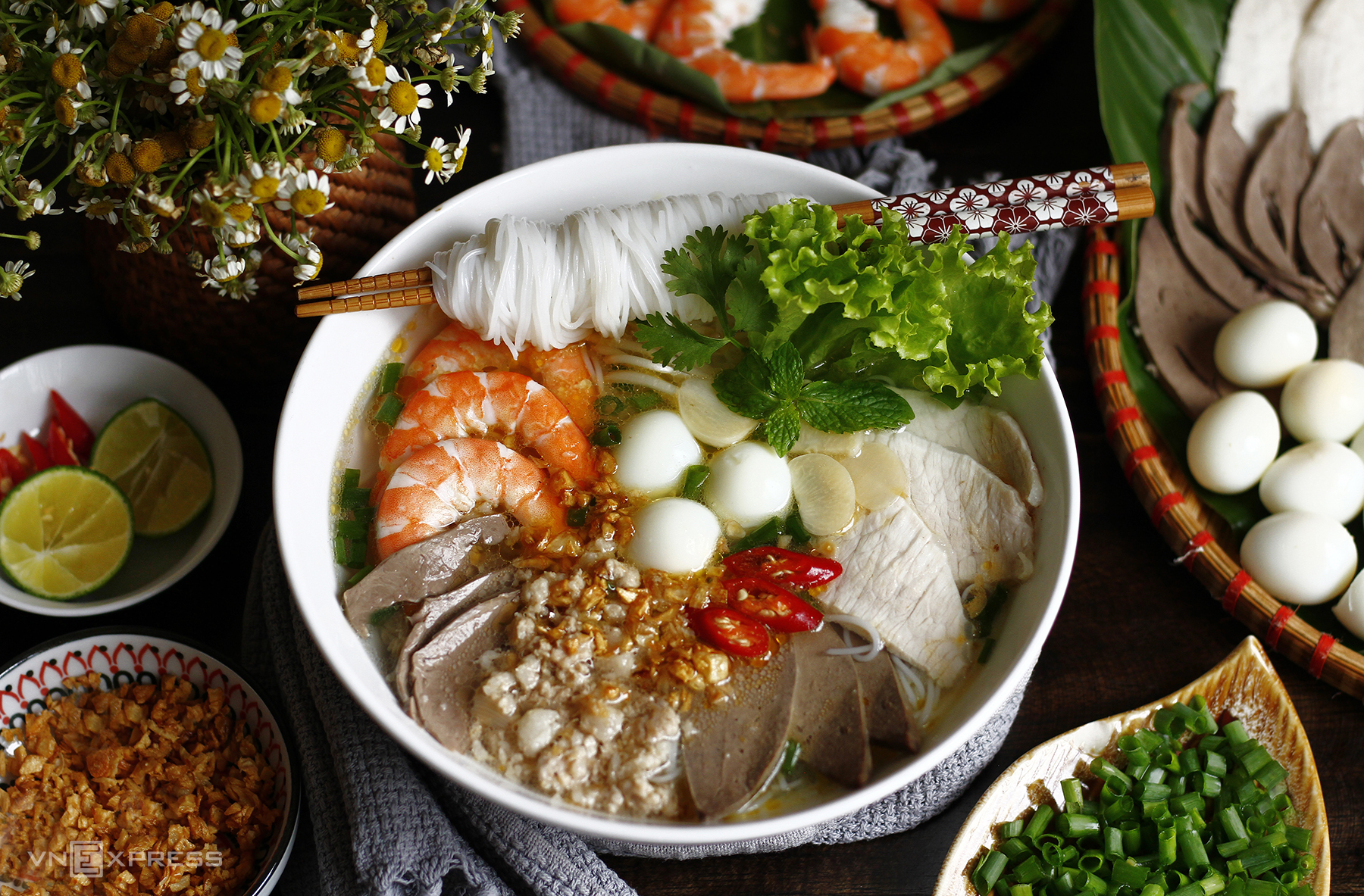
"Nam Vang" is the Vietnamese phonetic rendering of Phnom Penh — the capital of Cambodia. Nam Vang noodle soup originated in the Teochew Chinese community living in Phnom Penh from the late 19th century, then traveled down the Mekong River with migrants settling in Saigon's Cholon district in the early 20th century. When Teochew settlers established themselves in Cholon, they brought their noodle-making craft along with the technique of simmering broth from pork bones and dried squid — creating the distinctively clear, clean sweetness that no other style replicates. Morning noodle carts threading through Cholon's misty alleyways became an inseparable image of early 20th-century Saigon.
In Saigon, Nam Vang noodle soup flourished most in Cholon (District 5) and District 10 — where Chinese, Khmer, and Vietnamese communities lived side by side exchanging culinary traditions. Each shop guards its own recipe, but all agree on three non-negotiable elements: clear and chewy rice noodles, crystal-clear broth free of any floating grease, and diverse toppings of fresh shrimp, pork liver, minced pork, and quail eggs. The dry version (hủ tiếu khô) — noodles tossed in rich soy sauce, served with a separate broth bowl for sipping — became equally beloved and remains a distinctly Saigon adaptation.
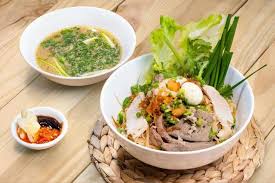
A bowl of this soup is therefore more than just a dish — it is the trace of a migration across centuries and borders. From Guangdong to Phnom Penh, from Phnom Penh down the Mekong to Saigon, this flavour carried with it a story of resilience, adaptability, and extraordinary cultural exchange. Today, Nam Vang noodle soup remains one of Saigon's three most celebrated noodle dishes, served from early morning through to late night — living proof that Saigon has always been generous in receiving flavours from faraway places and refining them into something distinctly its own.
A true Nam Vang noodle bowl must have crystal-clear broth, delicately sweet from pork bones and dried squid, never cloudy, never greasy.
— Theo Saigoneer · 2019
Ingredients — what makes the flavour.
The broth must be crystal clear — you should see the bottom of the bowl. Cloudy broth or floating grease means it may be a "hu tieu mi" variant or the shop cut corners on simmering time. Authentic noodles are lightly chewy, never mushy.
How to enjoy it properly.
Two main versions
Wet noodle soup (default): rice noodles submerged in hot clear broth with all toppings. Light flavour, ideal for cool weather or breakfast.
Dry noodles: rice noodles tossed with rich soy sauce and fried shallots, served alongside a separate bowl of broth to sip. Richer taste, popular at lunch or late night.
Table condiments
The table always has: hoisin sauce, chili sauce, sa tế chili oil, lime, white pepper. First-timer tip: squeeze ¼ lime, add 1 teaspoon hoisin, a touch of chili — don't overdo it, or you'll mask the delicate sweetness of the broth.
Editor-recommended eateries.
ⓘ Addresses and prices may change. Please verify before visiting.