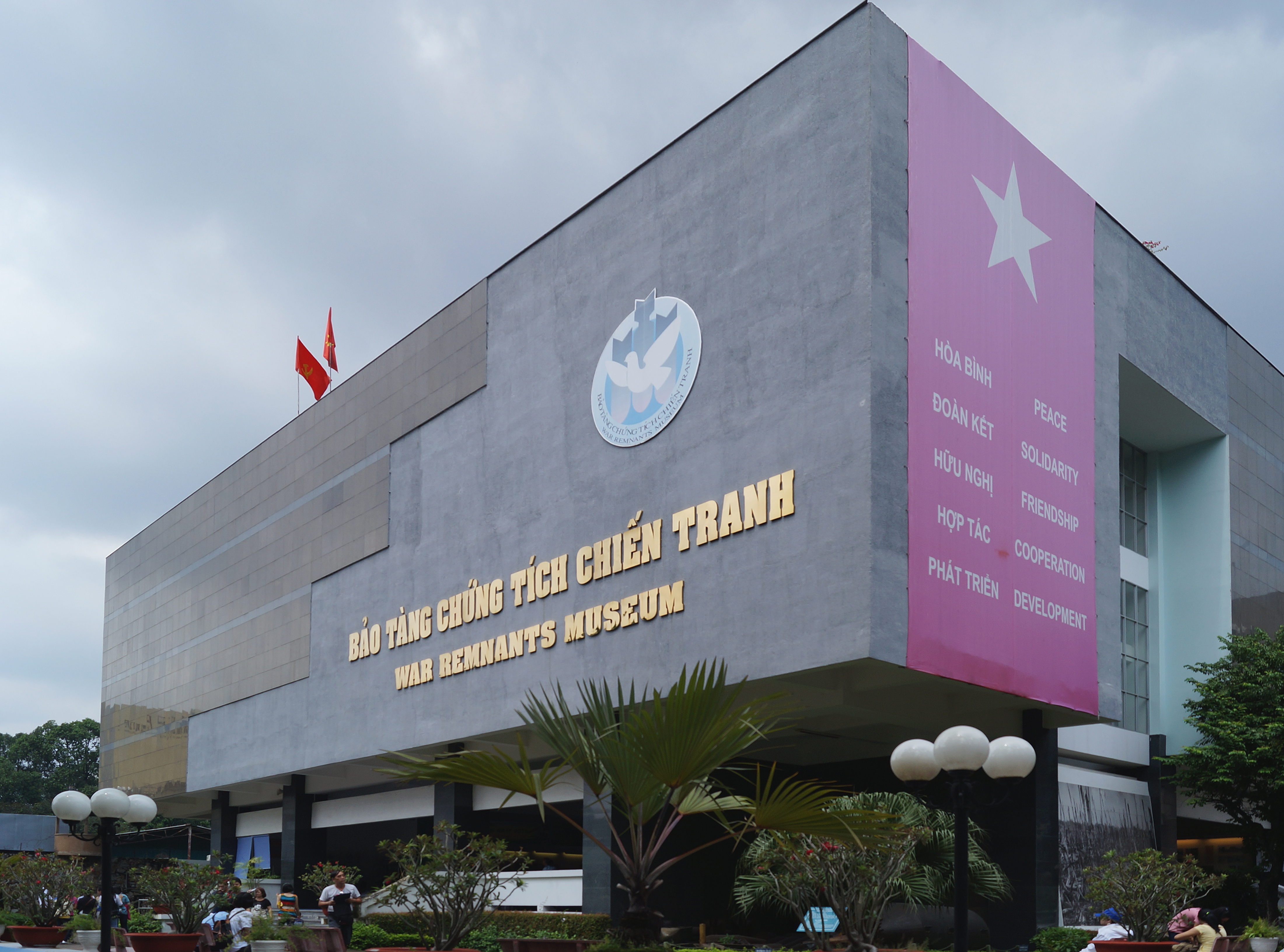
History & story.
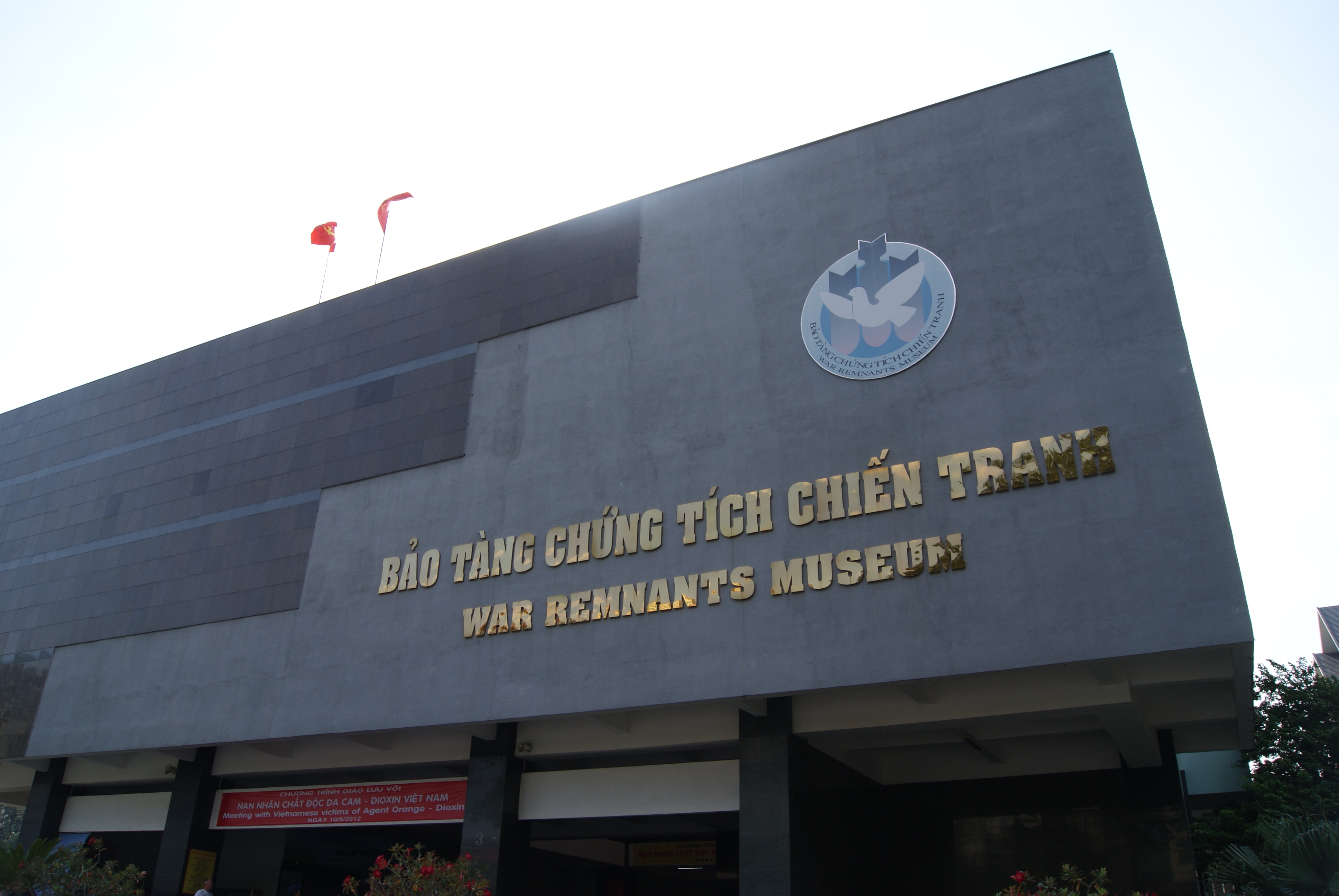
The War Remnants Museum was established on September 4, 1975 — just four months after the last shots were fired — at 28 Vo Van Tan Street (District 3), initially named the "Exhibition House for US-Puppet War Crimes". In 1990 it was renamed "Exhibition House for Crimes of War and Aggression"; and on July 4, 1995 — the exact date the US and Vietnam normalized diplomatic relations — it was given its current neutral title. Those three name changes altered nothing inside the building, yet they mapped the entire diplomatic journey of two former enemies. The museum holds over 20,000 documents and artefacts: military aircraft, tanks, heavy artillery, tiger cages from Con Dao prison, and landmark photo series documenting the multi-generational impact of Agent Orange. In 2023 the Ministry of Culture classified it as a Grade I national museum; in 2024 it became the only Vietnamese tourism site to receive TripAdvisor's "Travellers' Choice Best of the Best" award — placing it in the top 1% of global destinations.
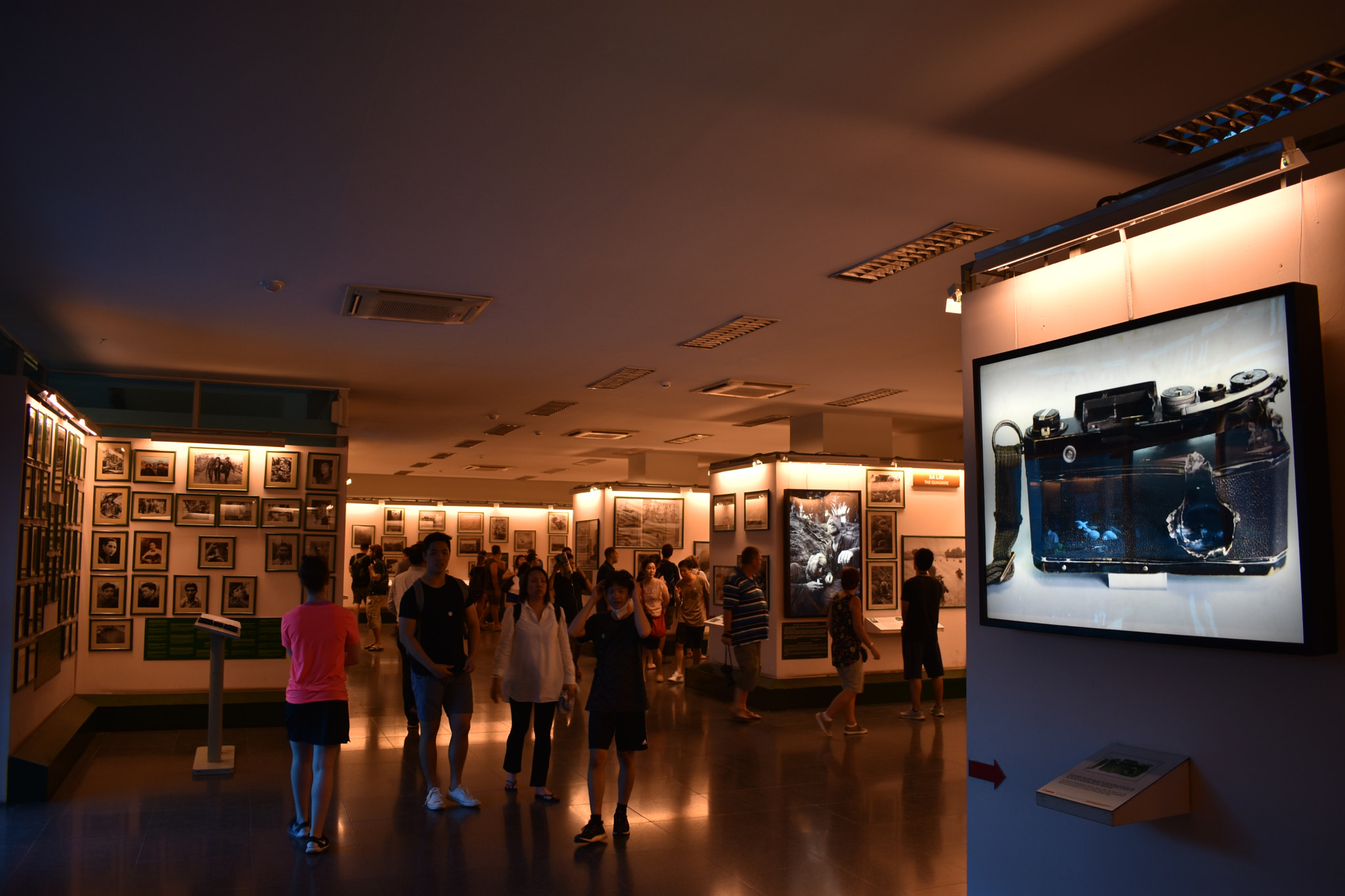
The third floor — displaying photographer Larry Burrows' archives and the Agent Orange documentary series — is considered one of the most haunting war photography exhibitions in the world. Eddie Adams' "Execution of Viet Cong Prisoner" (1968, Pulitzer Prize) is displayed with full historical context; the Agent Orange series documents multi-generational consequences for Vietnamese families in medically precise, unforgettable detail. An important note for visitors: the original "Napalm Girl" print was donated by Nick Ut himself to the Vietnam Women's Museum in Hanoi in 2017 — this museum holds its own extensive war photography archive. In April 2025, marking the 50th anniversary of national reunification, the museum launched a special exhibition of 140 new artefacts titled "From the Paris Agreement to the Spring Victory of 1975" — including a scale model of Tank 390, military communications equipment and newly declassified documents. The exhibition "Southern Vietnamese Cuisine During the Resistance War" runs through December 2025.
Over 50 years of operation the museum has welcomed more than 25 million visitors — predominantly international, including many American veterans returning to confront their wartime memories. The guest book at the exit is filled with writing from visitors worldwide: many Americans writing words of apology, many Vietnamese writing messages of reconciliation, and high school students recording their emotions in trembling handwriting. The museum's power lies not in accusation but in the reality of evidence — photographs, artefacts and statistics that make it impossible for viewers to think about the war in abstract terms. The physical space — an old French colonial building kept intact — creates a particular contrast: an elegant exterior containing the heaviest moments of history.
From 2024 the museum is pivoting strategically toward becoming a "Museum for Peace" — transforming memory heritage into cultural soft power and an instrument of international people-to-people diplomacy. The museum has expanded partnerships with international organizations, organized travelling exhibitions abroad, and is building peace education programs for Vietnamese and international students. With 140 new artefacts added in 2025, the museum continues to affirm that it is not merely a repository of memory but a space where the future can be shaped by lessons from the past. This reflects a truth many visitors sense: there are kinds of remnants that should never be erased — but the way we tell their story can shift from accusation to bridge.
This is not a museum of war. This is a museum of peace.
— Phó Giám đốc Lâm Ngô Hoàng Anh, Bảo tàng Chứng tích Chiến tranh, 2025
Highlights not to miss.
The international war correspondent photography gallery includes many world-famous historical photographs, particularly Larry Burrows' archive and Eddie Adams' "Execution of Viet Cong Prisoner" (Pulitzer Prize 1969) — moments that changed the world's perception of war. Note: the original "Napalm Girl" print by Nick Ut is currently held at the Vietnam Women's Museum in Hanoi.
The Agent Orange exhibition documents the devastating multi-generational impact with photographs and medical files of thousands of victims — from those directly exposed during the war to their descendants born decades later. Medical photographs are presented alongside maps of sprayed regions and statistics showing how many people still suffer the effects through 2024. This is the most emotionally powerful and important section for many visitors — particularly for those from countries that participated in or supported the war.
The outdoor courtyard holds a Northrop F-5A fighter jet, a Cessna A-37 Dragonfly ground-attack aircraft, a CH-47 Chinook helicopter, a UH-1 Huey and an M48 Patton tank — all former RVNAF equipment, some battle-damaged, displayed on open plinths with bilingual information boards. The UH-1 Huey is the most photographed object in the collection; its tail rotor is at eye level, making it the one piece visitors can touch. Walking the courtyard before entering the building grounds the more abstract exhibition inside in the physical reality of the machines involved.
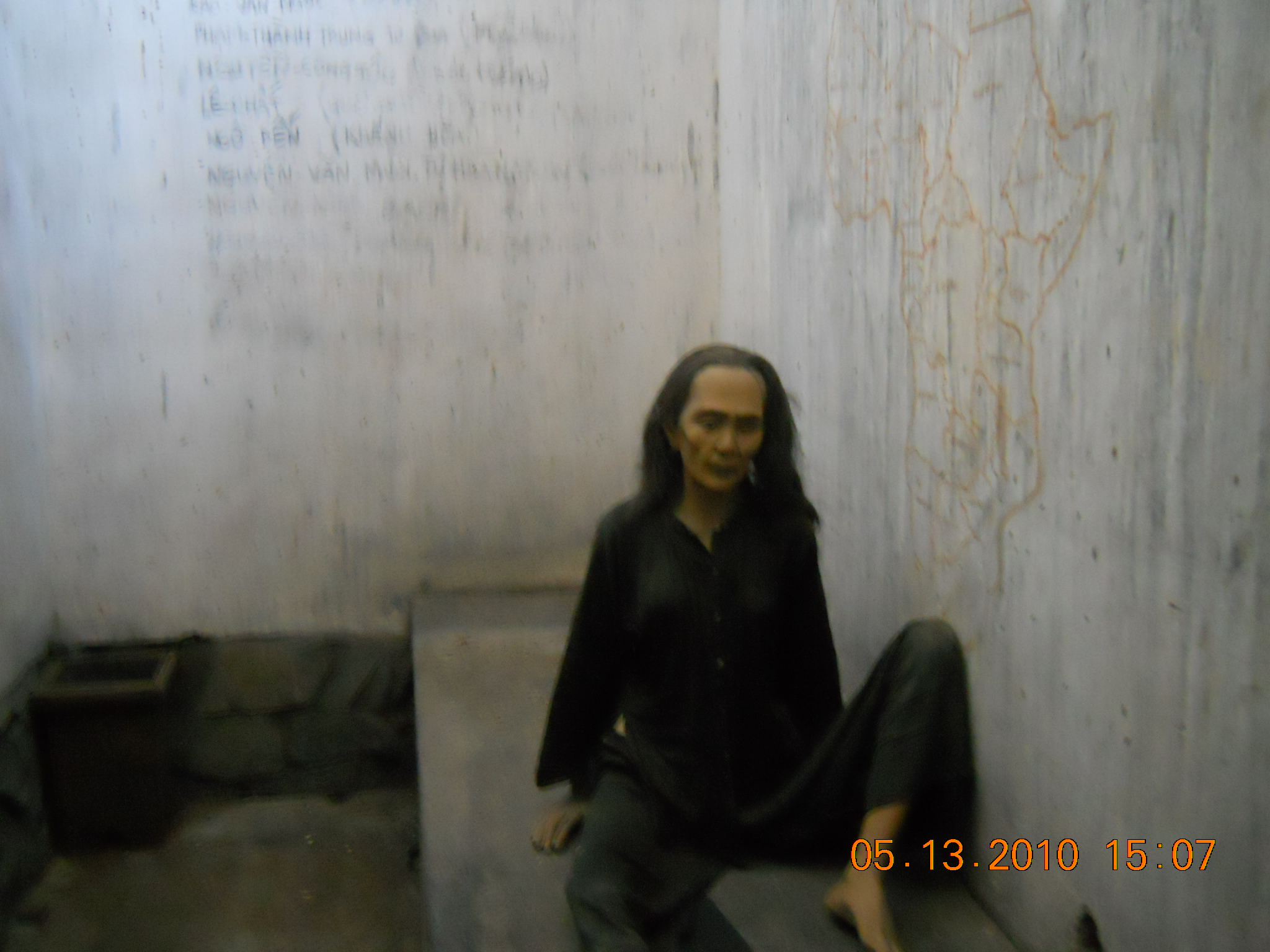
The tiger cage replicas are built to the exact dimensions of the original Con Dao cells: 2.7 m long, 1.5 m wide, 3 m high, with iron bar grids overhead through which guards could pour lime on prisoners who refused to comply. The originals were built by French colonial administrators in the 1940s and expanded by successive RVNAF governments; investigative reporting by journalist Don Luce and congressman Augustus Hawkins in 1970 brought their existence to international attention, triggering Congressional hearings. Standing inside an open cage replica, visitors can feel the spatial mathematics of confinement — a geometry calculated to prevent standing upright for long periods.
Book tickets online at baotangchungtichchientranh.vn before visiting — the system launched in February 2026 lets you choose entry time slots and skip queues. Visit on a weekday morning to avoid crowds. Hire an on-site guide (around VND 100,000–200,000) for deeper understanding of the historical context of each exhibition room.
How to visit & get there.
Getting There
The museum is at 28 Vo Van Tan Street, District 3 — about 1.5 km from central District 1. From Nguyen Hue Walking Street you can walk 20 minutes via Le Loi and Nguyen Thi Minh Khai streets, or take a Grab for around VND 15,000–25,000. Bus routes 14 and 45 stop near the museum. Motorbike parking is available in the museum grounds.
Must-See Inside
Book tickets online at baotangchungtichchientranh.vn before visiting (system launched February 2026) to choose your entry time slot and skip queues — essential on weekends and public holidays. Allow at least 2–3 hours for a thorough visit — do not stop at the first floor. Floor 3 (war correspondent photography) and the Agent Orange room are the essential sections. Start in the outdoor courtyard to view aircraft and tanks before going inside. Hire an on-site guide (around VND 100,000–200,000) for deeper historical context. Note: the museum contains emotionally powerful images — not suitable for children under 12. The special exhibition "Highway 1C — The Legendary Route" is on display through May 2026.
Sources
- 1.Bảo tàng Chứng tích Chiến tranh
Bảo tàng Chứng tích Chiến tranh · 2025-03-01
- 2.50 năm Bảo tàng Chứng tích Chiến tranh
VnExpress · 2025-03-01
- 3.War Remnants Museum
Lonely Planet · 2025-03-01