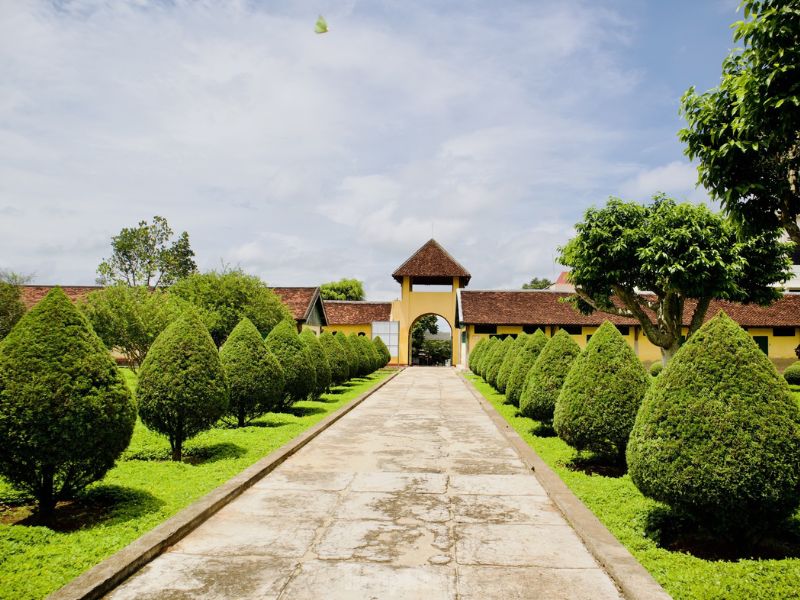
History & story.
Buon Ma Thuot Prison was built by the French in 1930 following the suppression of the Yen Bai Uprising — specifically designed to isolate dangerous political prisoners in a remote location where highland malaria and forced outdoor labour would do the torturer's work. Buon Ma Thuot was chosen for its distance and inaccessibility from the lowlands, and the French counted on highland forest, heat, and malaria mosquitoes to exhaust prisoners without beatings. From 1930 to 1954 over 2,000 prisoners were held here, including many revolutionaries who became leaders of independent Vietnam.
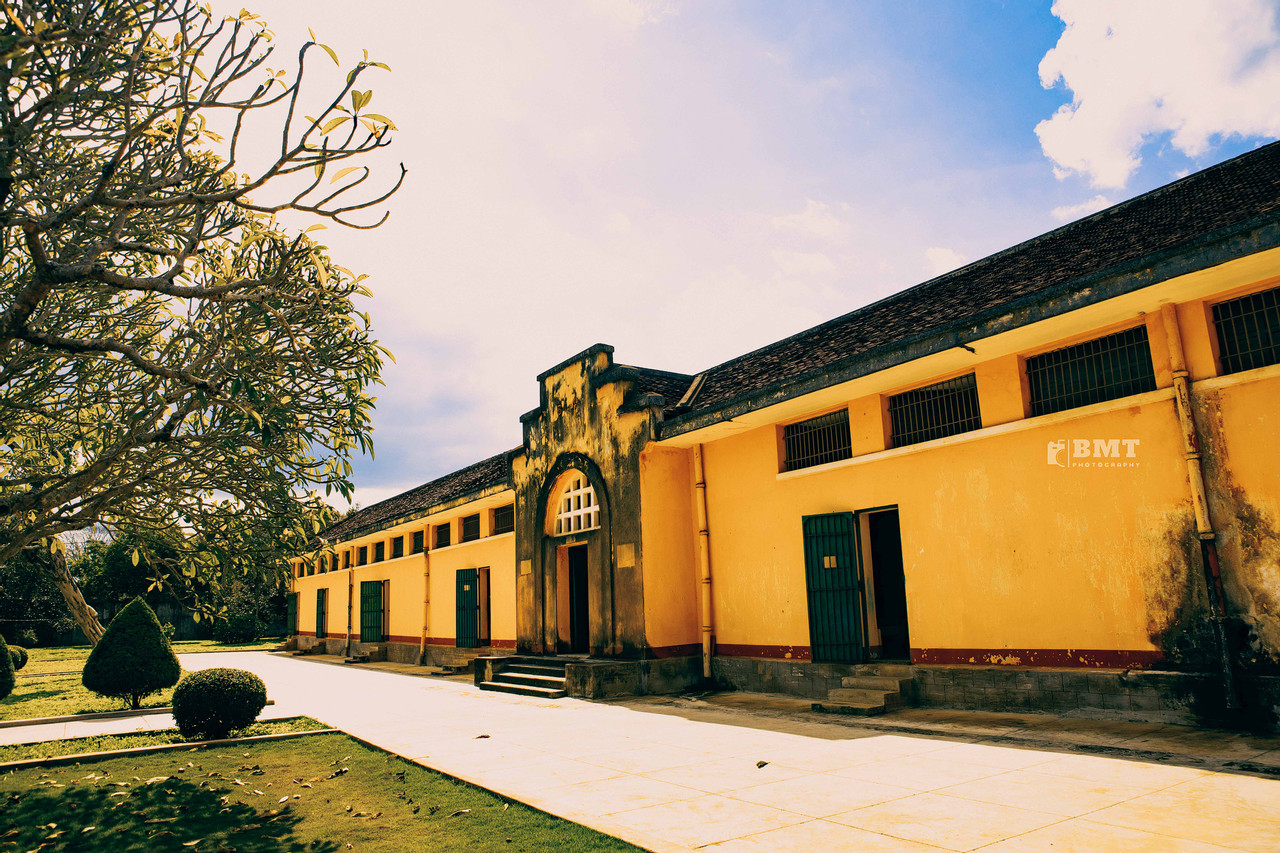
The 2-hectare complex has 4-metre brick perimeter walls and four concrete guard posts at the corners. Inside are four prisoner blocks with different architectural styles from different construction phases: solitary confinement dark cells, communal blocks for 30–50 people, and uncovered outdoor labour areas where prisoners split stone, felled timber, and carried materials under the Central Highlands sun. Living conditions were deliberately minimal: 300 grams of rice and a bowl of diluted fish sauce per prisoner daily, no malaria treatment, sleeping on bare earth floors.
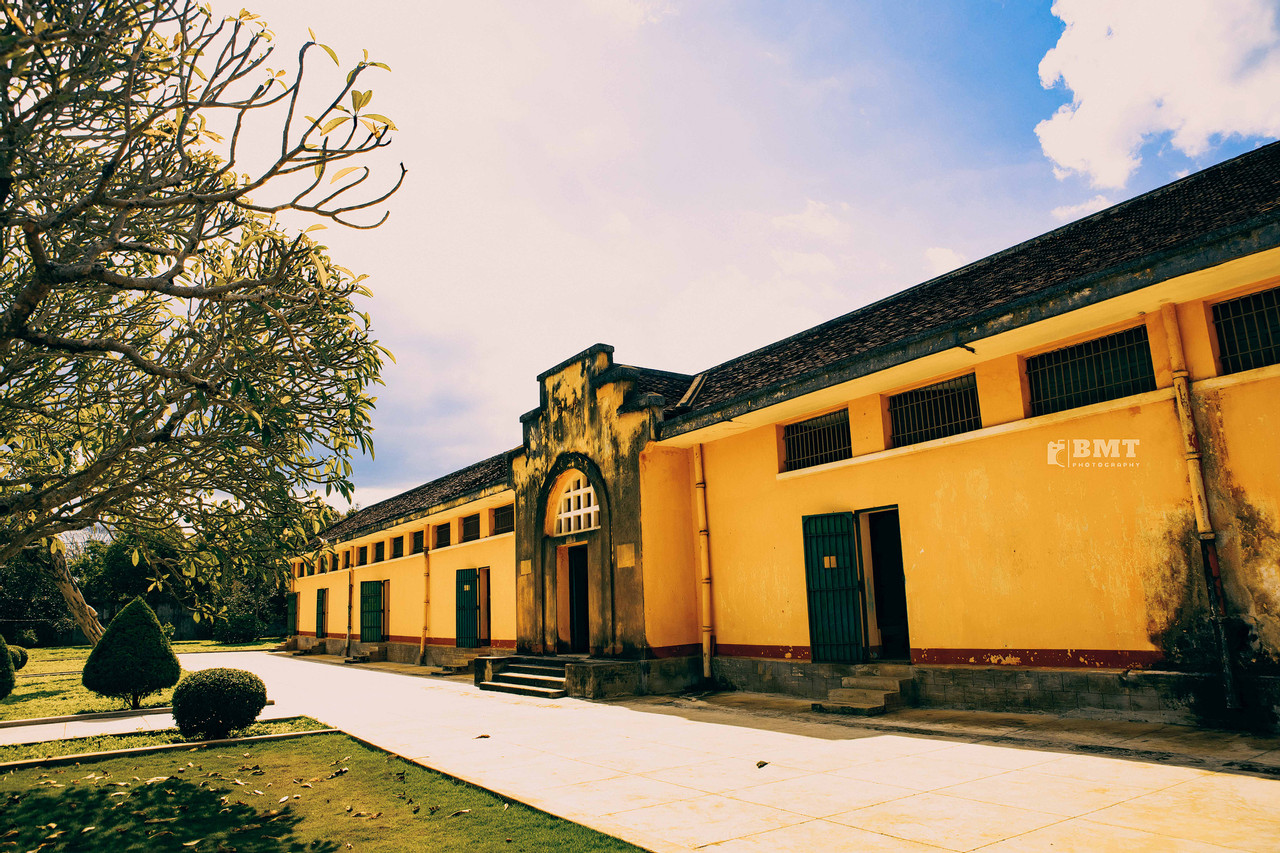
Under those harsh conditions the prison unexpectedly became a 'revolutionary school.' Communist prisoners organized clandestine political education, literacy classes, and exercise groups. Political books and documents were hand-copied and circulated secretly among inmates. Historic figures imprisoned here include Nguyen Chi Thanh, To Huu, Ho Tung Mau, and many who became members of the Politburo. To Huu wrote some of his most celebrated poems in Buon Ma Thuot Prison, including 'Tam Tu Trong Tu' (Heart's Longing in Prison) in 1939.
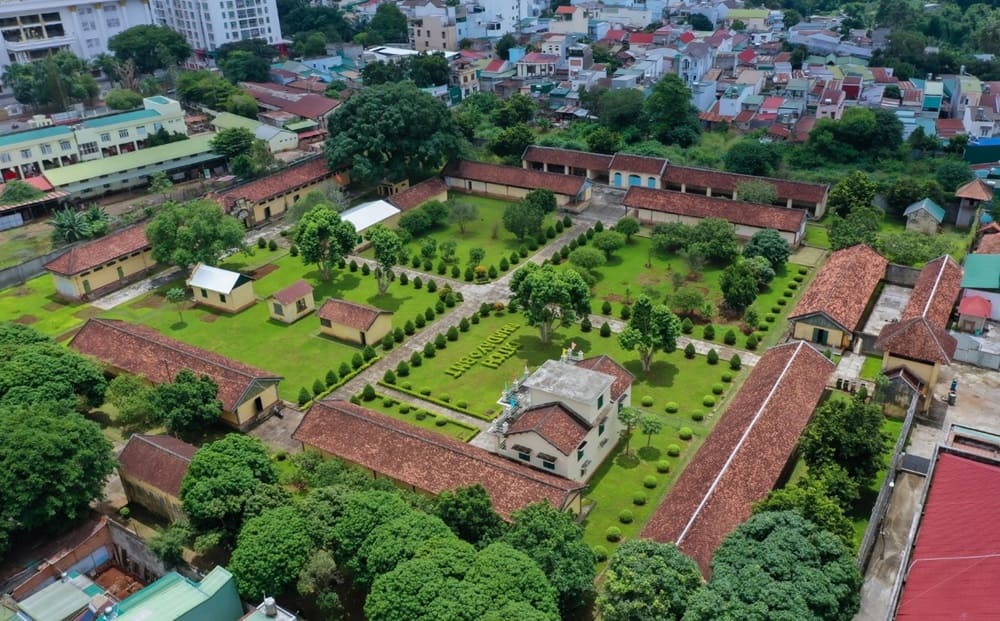
Today the prison is preserved nearly intact with the colonial-era perimeter walls, guard posts, and prisoner blocks. The indoor exhibition holds documentary photographs, maps, and surviving handwritten prisoner documents. A visit includes a Vietnamese-language guided tour of about 45 minutes — English tours require advance booking. The prison was designated a special national historic monument in 2009.
They put us here to die. But we turned that death into a school. Every prisoner was both teacher and student.
Hồi ký cựu tù nhân Nhà đày Buôn Ma Thuột, 1945 / Memoir of former Buon Ma Thuot Prison prisoner, 1945
Highlights not to miss.
The solitary block consists of cells measuring 1.2 × 0.8 metres, with 40-cm-thick brick walls and no windows — only a narrow gap at the wall top admits any light. Prisoners placed in solitary were typically those convicted of 'ringleading' or repeatedly violating prison rules. Cell temperatures reach 40–45°C at midday in the dry season.
The uncovered outdoor yard where prisoners split stone and felled timber was the deadliest section — heavy labour under the Central Highlands sun combined with malnutrition and untreated malaria caused most deaths in the prison. Estimates suggest 200–300 prisoners died in the 24 years the prison operated.
A dedicated room displays handwritten originals and photographs of the poems To Huu wrote in the prison between 1939–1942, including the most celebrated 'Tam Tu Trong Tu' (Heart's Longing in Prison) and 'Nho Dong' (Missing the Countryside). These poems became classics of 20th-century Vietnamese literature. Alongside is a list of notable prisoners with brief biographies and photographs where available.
The prison experience is far more powerful if you read a few of To Huu's poems written here beforehand — 'Tam Tu Trong Tu' and 'Nho Dong' are easily found online. Standing in the exhibition room reading those lines with knowledge of the actual prison conditions is an unforgettable experience.
How to visit & get there.
Getting There The prison is in Tu An Ward, about 2 km from central Buon Ma Thuot. **Motorbike or Grab** (10 minutes); parking available inside the compound.
Visiting Tips **Book an English guide** at least 1 day ahead — English-language tours are not always available without notice. **Allow at least 2 hours** — the guided tour through cells and exhibits takes about 1.5 hours, plus time to read the documentary materials. **Photography is permitted** throughout the entire compound.
Sources
- 1.Nhà đày Buôn Ma Thuột — Di tích quốc gia đặc biệt
Báo Đắk Lắk · 2026-06-25
- 2.Buon Ma Thuot Prison: History and Visit Guide
Origin Vietnam · 2026-06-25