History & meaning.
The Water Source Worship Ceremony originates in the Ê Đê's animist beliefs — the conviction that every water source is inhabited by a water spirit (yang êa) that must receive regular offerings to prevent it from receding, becoming polluted, or ceasing to flow through the year. This is a village-level community ceremony — not a family one — presided over by the eldest woman of the lineage that owns the water source (in the Ê Đê matrilineal system, water sources are the property of female lineages). Historical records from the French colonial period indicate this ritual has existed since at least the 17th–18th centuries, and likely far longer in Ê Đê oral tradition. Each traditional Ê Đê village is organized around a sacred water source — the site chosen by the village's first settler and ceremonially consecrated from the very beginning. When a village relocates to a new site, the ceremony of consecrating the new water source is the first sacred act performed before any house is built.

The ceremony unfolds over three days, each with a distinct role and setting. On day one, the shaman leads a procession from the village gate to the water source accompanied by gong music — two groups moving in parallel: one performing protective rituals along the route, the other preparing offerings at the water source. Upon arrival, the shaman pours rice wine into the bamboo water pipes — considered the "blood vessels" connecting the village to the sacred source — and recites invocations asking the water spirit never to run dry. Day two is a complete "closure day": rope adorned with cotton thread and white chicken feathers bars the village gate, and no outsider may enter. Inside, the shaman continues rituals at the central longhouse, with women drinking first and men second — a custom characteristic of this matrilineal society. On day three, the shaman performs the "lifting of the ban" — removing the sacred rope, sprinkling sacred water, and distributing rice and red thread to each family as blessings.
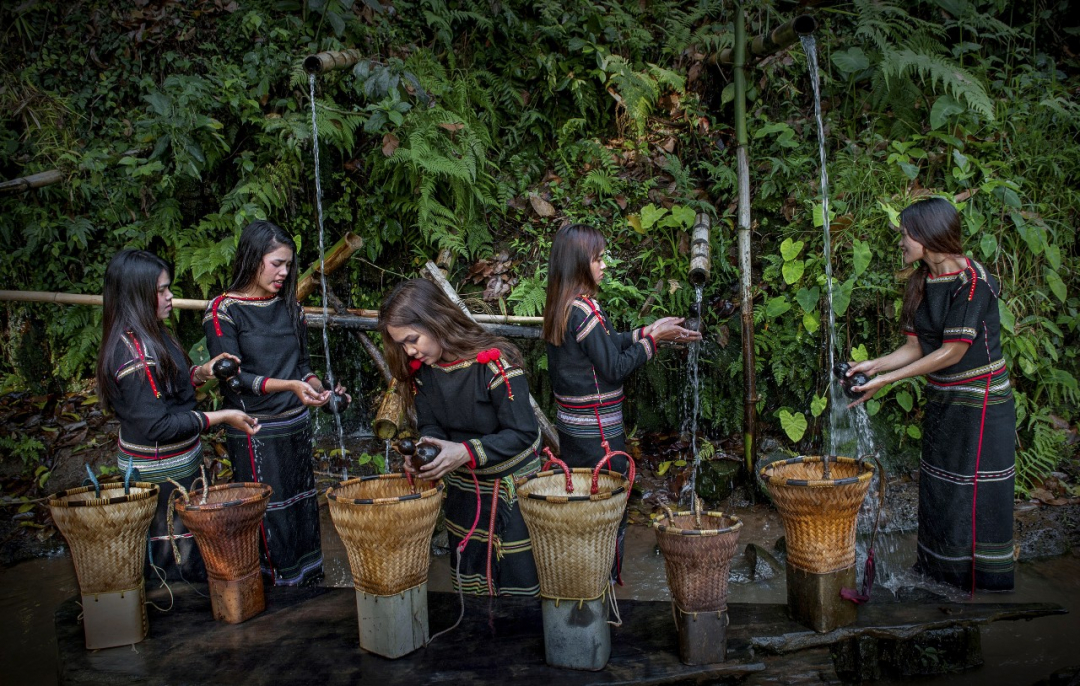
The Water Source Ceremony is the clearest expression of the Ê Đê worldview: water is not a resource to exploit but the "mother" of the village to be respected and cared for. This practice creates a highly effective community water protection system — no one dares pollute the sacred water source for fear of angering the water spirit and facing community punishment. Anthropological research shows traditional Ê Đê villages experience far less water source contamination than neighboring modern settlements. Furthermore, the water source ceremony is a practice of collective memory: during each ceremony, the shaman recites the names of everyone who contributed to building and protecting the water source, from the founding generation to the present — a form of the village's "living history."
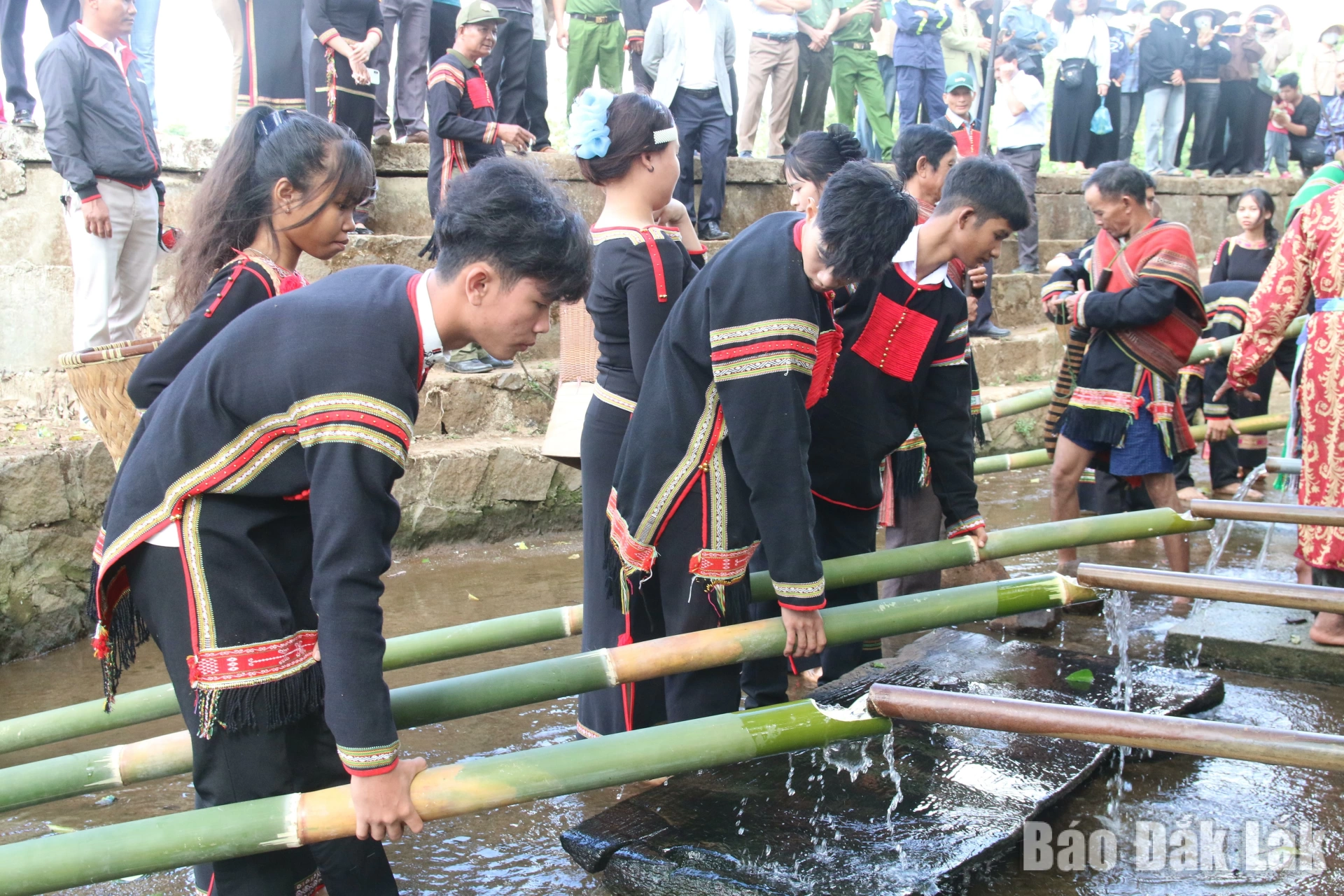
Today, the Water Source Ceremony is still maintained in many Ê Đê villages in Dak Lak, though with changed frequency and scale. Ako Dhong village within Buon Ma Thuot city still holds the ceremony annually, sometimes with provincial support for full ritual reconstruction. The Dak Lak Museum holds a collection of water ceremony ritual artifacts comprising over 200 objects, including century-old rượu cần jars and an original shaman's ceremonial costume. Visitors can pre-book village tours of Ako Dhong through the Dak Lak Museum (12 Le Duan Street) for the opportunity to meet artisans and hear about the ceremony from insiders. This remains one of the most authentic Central Highlands cultural experiences still accessible in Dak Lak.
"Water is the mother of the village. Without clean water, there is no full and warm village."
Tục ngữ Ê Đê, tỉnh Đắk Lắk / Ê Đê proverb, Dak Lak province
Highlights not to miss.
On the first morning, the shaman leads a procession from the village gate to the water source accompanied by gong music. Two groups move in parallel: one follows the shaman performing protective rituals en route, while another prepares offerings at the water source. Upon arrival, the shaman pours rice wine into the bamboo water pipes — the "blood vessels" connecting the village to the sacred source — and recites invocations asking the water spirit never to run dry.
Day two is the most sacred and closed day of the ceremony. Rope adorned with cotton thread and white chicken feathers bars the village entrance — anyone who enters on this day is considered to have violated the sacred space and must face traditional penalties. Inside, the shaman continues rituals at the central longhouse with offerings of one white rooster, nine cups of rice wine, and new lam rice. Women drink first, men second — a custom distinctive of the Ê Đê matrilineal society.
On day three, the shaman performs the final rite to "lift the prohibition" — removing the sacred rope barrier, sprinkling sacred water on the entrance, and reciting invocations reopening the path to normal life. Rice and red thread are distributed to each family in the village as blessings from the water spirit. This is followed by a community feast of new rice, pork, chicken, and rượu cần — the only moment when visitors may be invited to join as the village reopens to the world.
Before visiting any village, spend two hours at the Dak Lak Museum to understand the Ê Đê cultural context. The museum holds over 10,000 artifacts including antique rượu cần jars, original gong sets, and a scale model of an Ê Đê longhouse. Understanding the context beforehand will help you ask better questions and appreciate what you witness in the village.
How to attend & get there.
Finding a Village and Timing The Water Source Ceremony has no fixed schedule and is not widely publicized. **The best approach is to contact the Dak Lak Museum directly** (12 Le Duan Street, Buon Ma Thuot) — the museum usually has information about villages still maintaining the ceremony and can connect you with village leaders. Ako Dhong village (within the city) occasionally holds public reconstructions with provincial support — ask in advance for the schedule.
Mandatory Conduct Rules **Never enter the village on day two** when the chicken-feather rope still bars the entrance — this is an absolute sacred boundary, not a decoration. **Dress modestly** — short skirts and shorts are inappropriate when attending rituals. **Silence your phone** throughout the ceremonies; ask explicit permission before filming — many families do not want their rituals recorded.
Sources
- 1.Lễ cúng bến nước của người Ê Đê
Báo Nhân Dân · 2026-06-26
- 2.Đắk Lắk: Bảo tồn và phát huy giá trị văn hóa lễ cúng bến nước
Vietnam Tourism · 2026-06-26