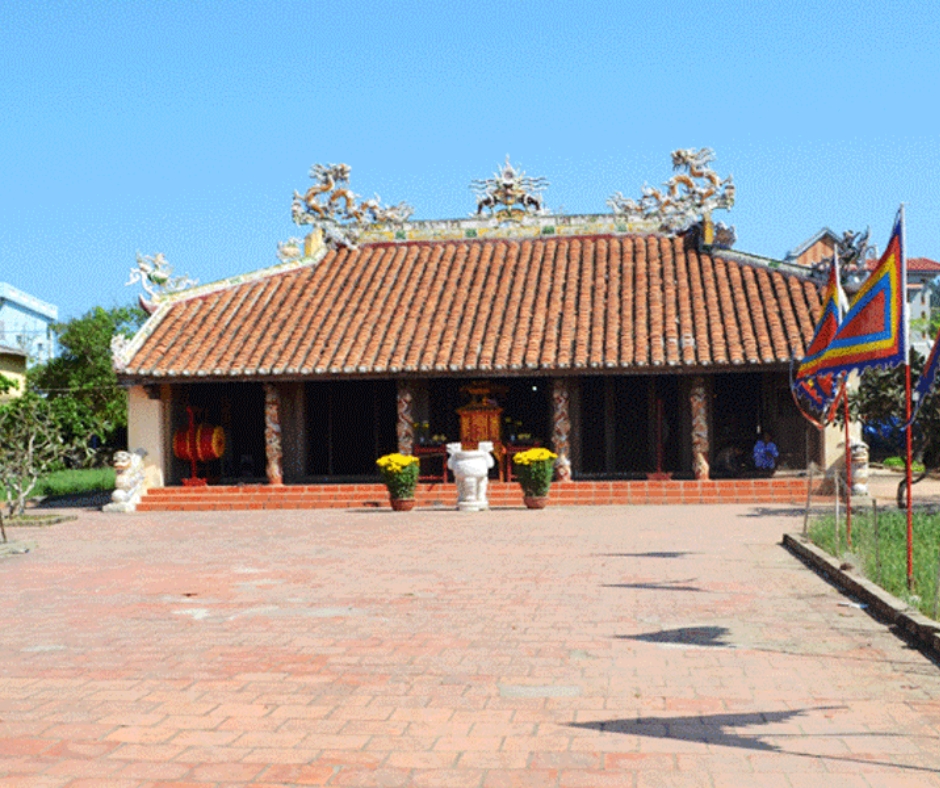
History & story.
An Vinh village on Ly Son Island is the oldest and historically most significant village on this volcanic island off the Quang Ngai coast. From the 17th century under Lord Nguyen Phuc Lan, the Dang Trong court began organising the Hoang Sa soldiers — men who departed from An Vinh's harbour to patrol the Paracel Islands and affirm Vietnamese maritime sovereignty. Each voyage lasted many months on open seas, in nothing more than small open fishing boats with no shelter — and according to historical records, approximately one third to one half of the soldiers never returned. Before departure, each Hoang Sa soldier had to prepare a last will and a small model boat with a clay figurine — instruments for a 'substitute sacrifice' ritual in case he died at sea. This practice, after the soldiers departed and never returned, became an annual memorial ritual known as the 'Khao Le The Linh Hoang Sa' ceremony.
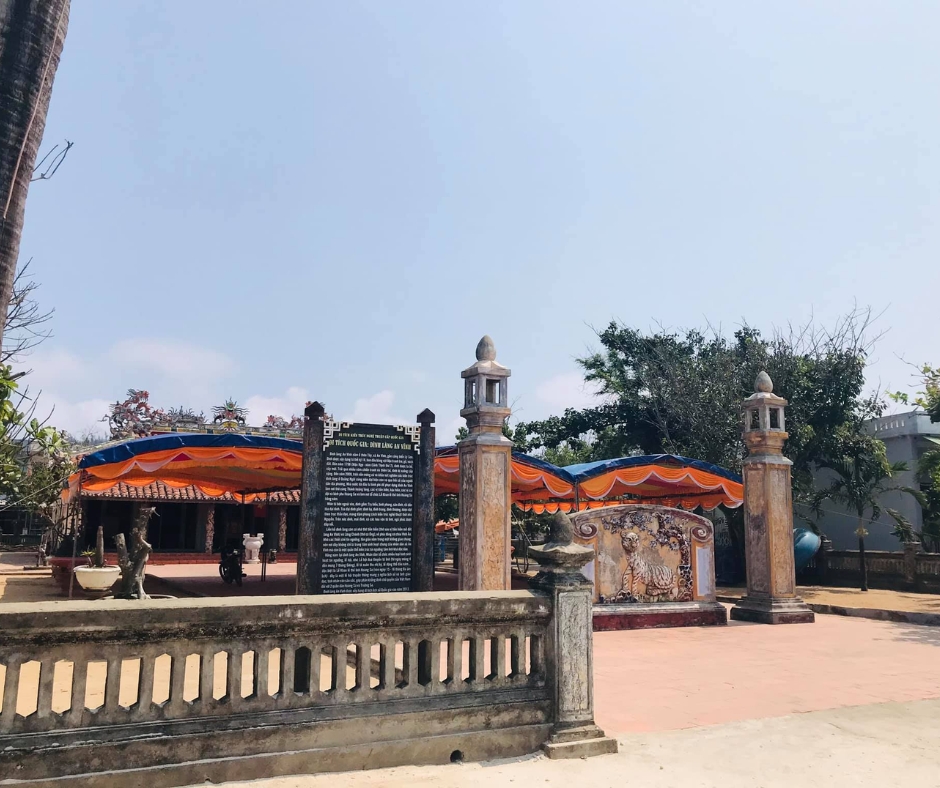
Am Linh Tu — the communal shrine for the souls of those who died at sea — is the most important structure in An Vinh village. The shrine was built in the 18th century to enshrine the spirits of all Hoang Sa soldiers who perished and whose bodies could never be brought back to shore. Each year in the third lunar month, the families of the ancient Hoang Sa soldiers hold the 'Khao Le The Linh' ceremony at Am Linh Tu — the most distinctive folk ritual in central Vietnam. During the ceremony, hundreds of paper boats and clay figurines are painstakingly crafted by the village's elder women, placed on offering trays, then released to sea as substitute offerings for the dead — so that the soldiers' souls might find their way home. In the afternoon, as hundreds of paper boats float on the sea around Ly Son Island, amid incense smoke and the weeping of families whose ancestors perished three centuries ago, this stands as one of the most emotionally resonant folk ceremonies in all of Vietnam.
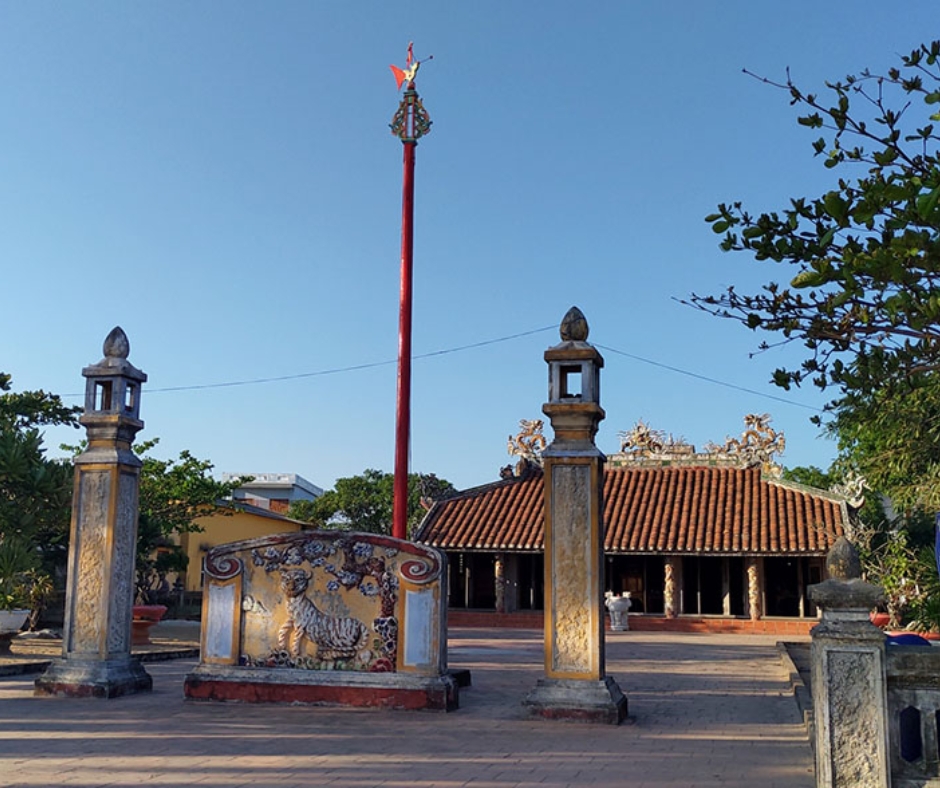
Beyond Am Linh Tu, An Vinh village preserves numerous ancient stone steles inscribed with the names and home villages of Hoang Sa soldiers who perished from the 17th through 19th centuries. These steles — written in classical Chinese and Nom script — are the most precious historical documents of the Hoang Sa soldiers' activities and constitute clear evidence of Vietnam's sovereignty over the Paracel Islands across many centuries. The Hoang Sa Soldiers Exhibition Hall — built in 2009 to mark the 400th anniversary of the Hoang Sa militia's establishment — displays original documents, ancient maps, and artefacts related to the Paracel voyages. Among the items on display is the 1838 Taberd map, which inscribes 'Paracels or Cat Vang' in English with an annotation placing it within the Annam Empire (Vietnam) — a document that attracts particular attention from foreign visitors.
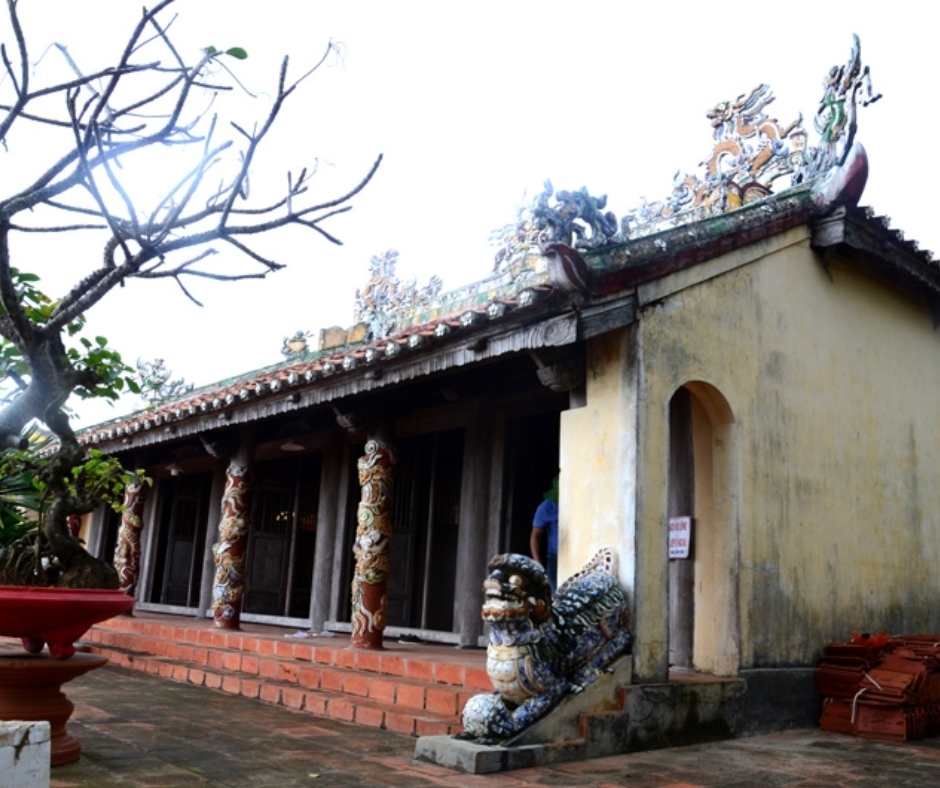
Today, An Vinh village remains an active fishing community of more than three thousand households, living primarily from deep-sea fishing and garlic cultivation. Ly Son garlic grown on the black volcanic soil of An Vinh commune and surrounding villages is famous across Vietnam for its distinctive fragrance and higher essential oil content than garlic grown on the mainland's non-volcanic soils. March through April is garlic harvest season — when garlic fields on the black volcanic sand spread widely around An Vinh and farmers harvesting from dawn create scenes unlike anywhere else in Vietnam. Combining a visit to An Vinh during the third lunar month festival with the March–April garlic harvest — the two periods often overlap — allows visitors to witness both the historical depth and the living contemporary life of the Ly Son community.
As you depart, remember your father's words — Let tall waves and strong winds not deter you.
Ca dao của đội hùng binh Hoàng Sa, đảo Lý Sơn
Highlights not to miss.
Am Linh Tu, built in the 18th century, enshrines the spirits of all Hoang Sa soldiers who died and whose bodies could not be returned home. The structure follows traditional village shrine architecture with curved tiled roofs and a wide courtyard — the setting for the annual Khao Le ceremony. On ordinary days, the shrine is open for incense offerings; its quiet simplicity contrasts starkly with the immense historical weight of what it preserves.
The 'Khao Le The Linh Hoang Sa' ritual in the third lunar month is the most distinctive memorial ceremony in central Vietnam. Hundreds of paper boats and clay figurines are painstakingly crafted by the village's elder women over many days, then released to sea at dusk accompanied by incense and prayer. The sight of hundreds of paper boats drifting seaward in the setting sun, carrying three centuries of grief and longing, is one of the most quietly heartbreaking moments in Vietnamese folk ceremony.
The 17th–19th century steles inscribed with Hoang Sa soldiers' names are direct historical documents of Vietnamese maritime sovereignty — not from imperial court records but from the soldiers themselves who went and never returned. The 2009 exhibition hall adjacent to Am Linh Tu presents ancient maps, French documents, and international records about the Paracel Islands, including the 1838 Taberd map inscribing the Paracels as part of the Annam Empire. This is the most historically and geopolitically significant attraction on Ly Son Island.
Visit An Vinh village in the third lunar month (usually April–May in the solar calendar) to witness the Khao Le The Linh Hoang Sa ceremony. The afternoon release of hundreds of paper boats to sea at sunset is an unforgettable moment — bring a small piece of incense to make an offering in keeping with village custom.
How to visit & get there.
Getting to An Vinh Village, Ly Son Island **High-speed ferry from Sa Ky port** (about 30 km from Quang Ngai city) to Ly Son takes approximately 30 minutes; ferries depart multiple times daily from 5:00 AM–5:00 PM. An Vinh village is on the island's north side, about 2 km from Ly Son port — walkable or reachable by motorbike rental at the port.
An Vinh Village Itinerary **Visit Am Linh Tu first** to understand the historical context and light incense in remembrance. **Next**, visit the Hoang Sa Soldiers Exhibition Hall (adjacent). **Then** walk through An Vinh village to see the ancient steles and clan ancestral halls. **If visiting in the third lunar month**, book accommodation early as the island fills up during the Khao Le ceremony.
Sources
- 1.Làng An Vĩnh Lý Sơn — quê hương hùng binh Hoàng Sa
Tạp chí Tổ Quốc · 2026-06-26
- 2.Lễ khao lề thế lính Hoàng Sa Lý Sơn
VietnamPlus · 2026-06-26