
02 · Top places
Places to visit
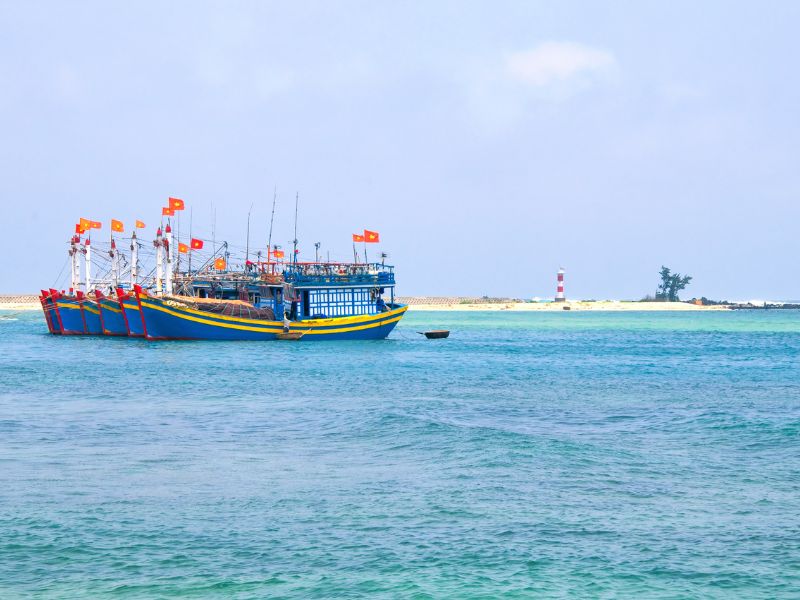
Ly Son Island district, Quang Ngai — the garlic kingdom and homeland of Hoang Sa soldiers
Ly Son Island
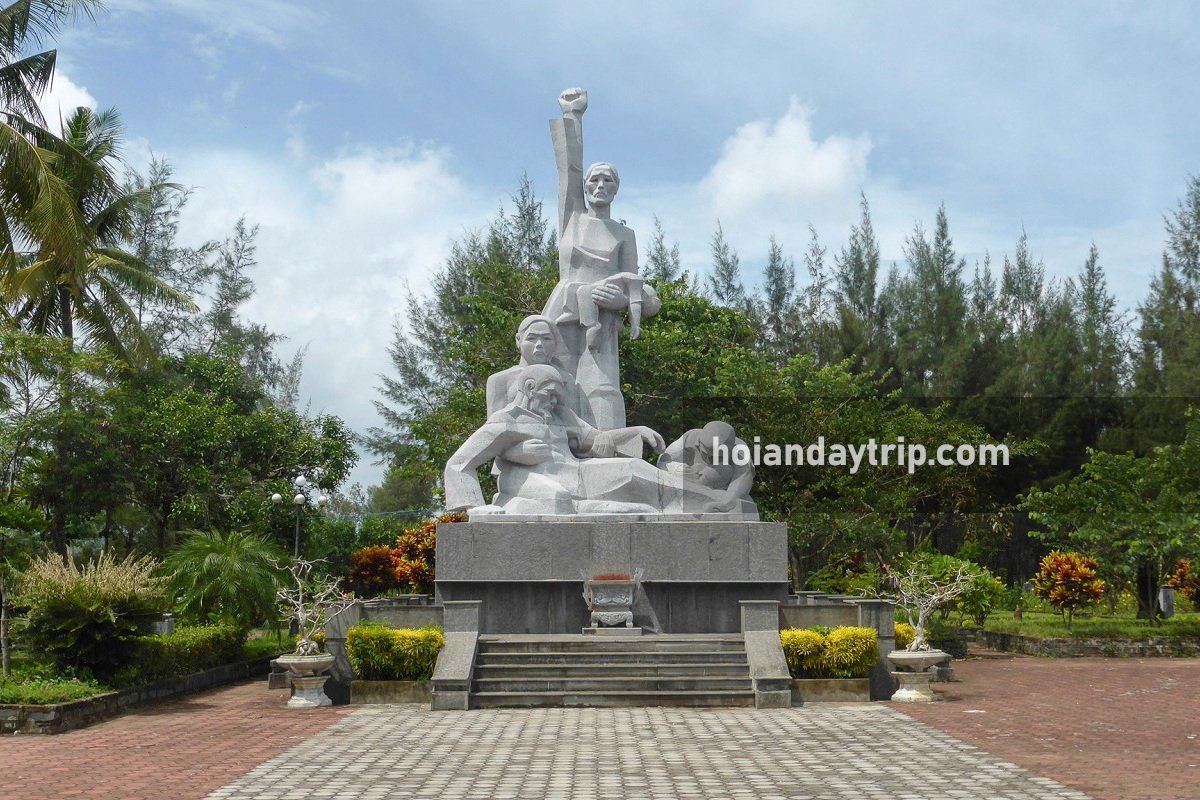
Tinh Khe commune, Son Tinh district — site of the March 16, 1968 My Lai Massacre
Son My (My Lai) Memorial
Place
Quang Ngai
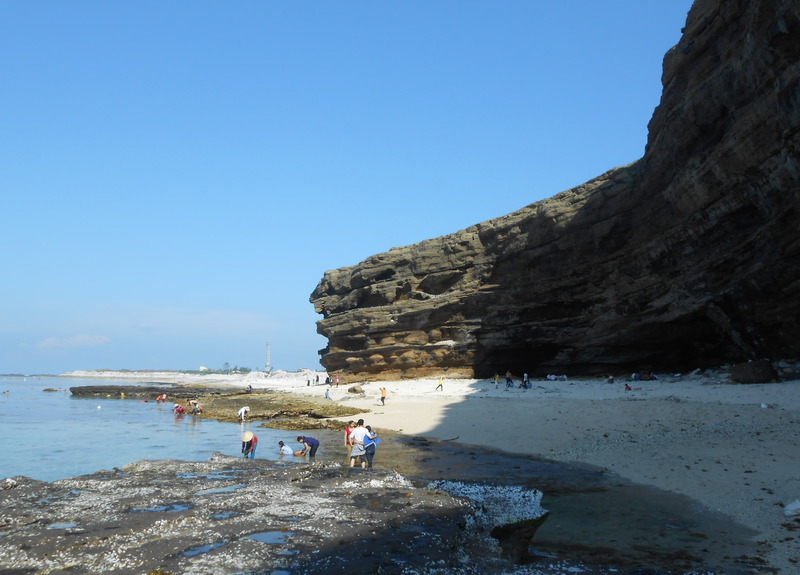
Sa Huynh Archaeological Site
The Sa Huynh culture is one of Vietnam's three great prehistoric civilisations (alongside Dong Son and Oc Eo), dated from the 2nd century BCE to the 2nd century CE. Excavations at the Sa Huynh sand dunes since 1909 have unearthed thousands of jar burials alongside glass jewellery, carnelian beads, and finely wrought iron tools. The Sa Huynh Museum holds hundreds of original artefacts demonstrating that Sa Huynh people maintained trade networks stretching from India to China.
Place→
Place
Quang Ngai
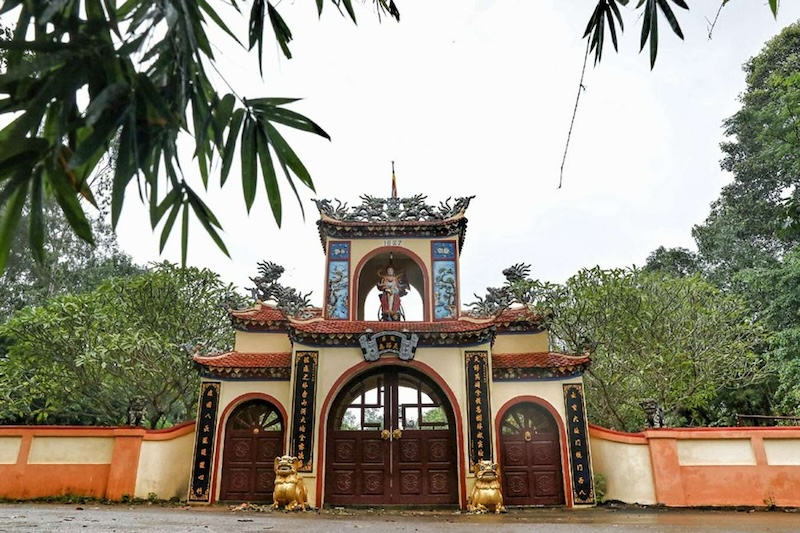
Thien An Hill — Sacred Seal on the River
Thien An Mountain rises 106 metres above the Tra Khuc floodplain with a perfectly flat summit, resembling a heavenly seal pressed into the river — the literal meaning of 'Thien An Niem Ha.' Thien An Pagoda, established in 1694, enshrines the Venerable Phap Hoa, the founding monk of this Cochinchina temple. It is one of the 'Ten Scenic Beauties of Quang Ngai' recorded since the Nguyen dynasty.
Place→
Place
Quang Ngai
Co Luy Solitary Village
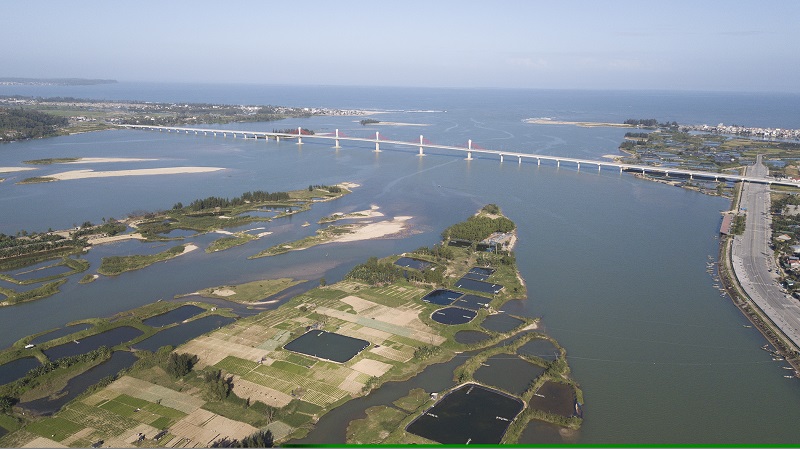
Co Luy Co Thon is a sand islet caught between the Tra Khuc and Kinh rivers, where an isolated fishing community has existed for centuries amid vast reed beds. Its characteristic silhouette — bamboo hedgerows, low thatched rooftops, and wooden sampans along the bank — earned it a place among the 'Ten Scenic Beauties of Quang Ngai,' a living ink-wash painting of central Vietnam. Viewed from the water on a misty morning, the hamlet dissolves into the kind of landscape that classical Vietnamese artists spent lifetimes trying to capture.
Place→
Place
Quang Ngai
Chau Sa Citadel
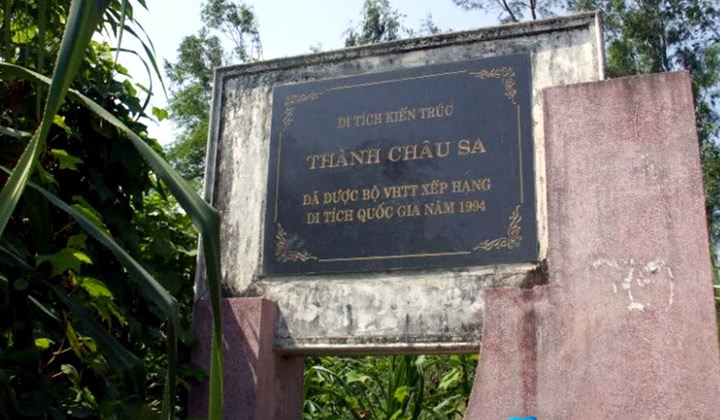
Chau Sa Citadel is a Cham Pa earthen fortress built around the 10th century and used until the 15th — one of the largest surviving Cham fortifications in central Vietnam. Its rammed-earth walls reach 4–5 metres high over a 4-kilometre perimeter enclosing a broad area beside the Tra Khuc River. Archaeologists have found Cham ceramic artefacts and domestic objects here, confirming it was once an important administrative and military centre of the Cham Pa kingdom.
Place→
Place
Quang Ngai
Thien But Mountain (Heaven's Writing Brush)
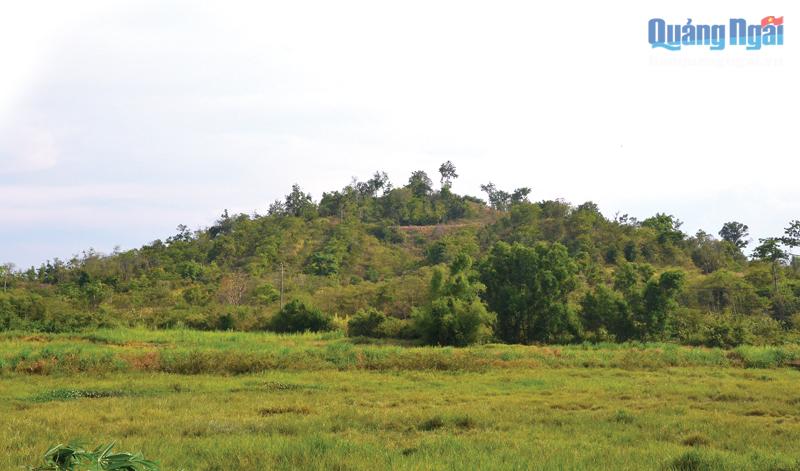
Thien But Mountain rises 156 metres in the shape of a standing calligraphy brush — 'heaven's writing brush' — a symbol of Quang Ngai's centuries-long tradition of Confucian scholarship and civil service examinations. Its summit shrine has been a place of prayer for academic success since the Nguyen dynasty, drawing students before major examinations to this day. The panorama from the top across the Quang Ngai plain and East Sea is exceptional, especially in the early morning when mist still clings to the rice paddies below.
Place→
Place
Quang Ngai
My Khe Beach, Quang Ngai
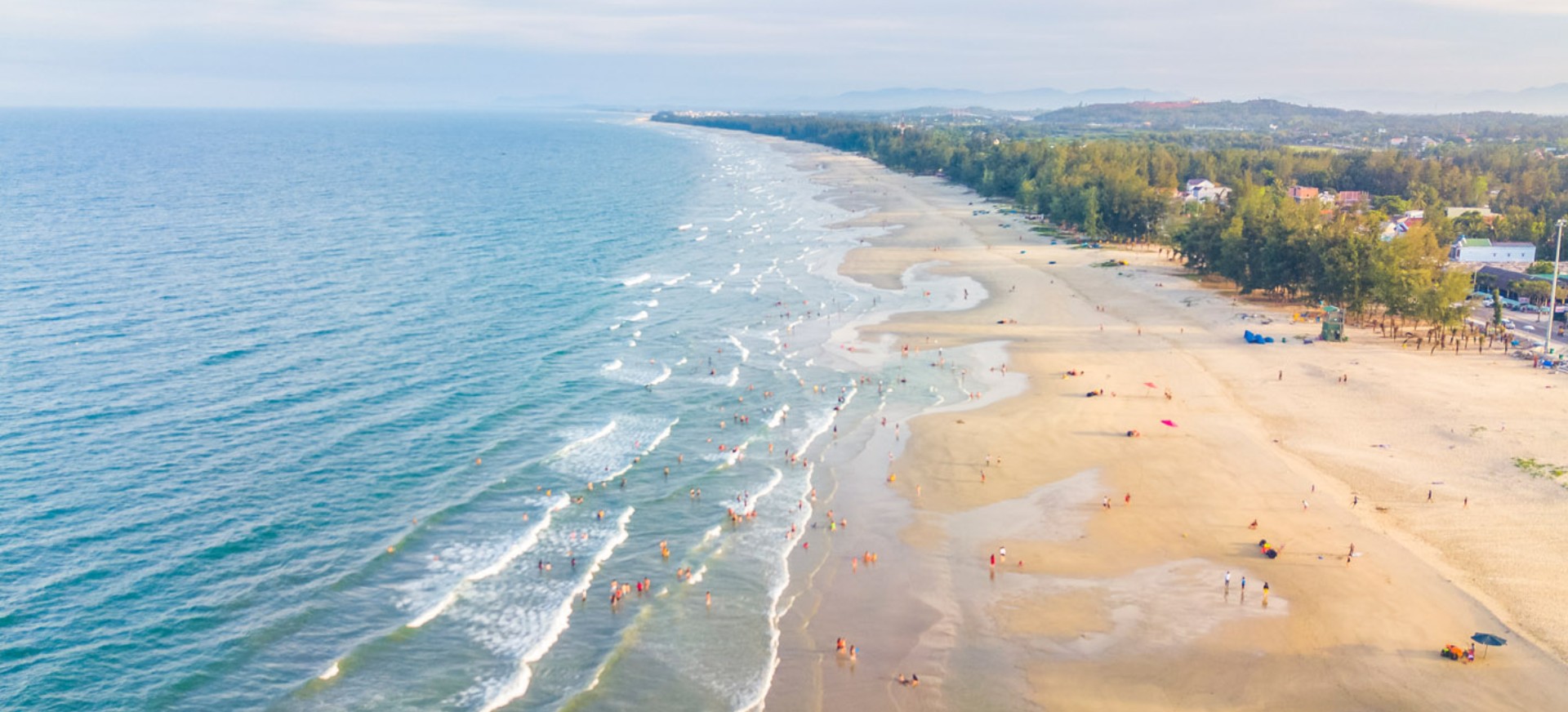
My Khe Beach in Quang Ngai (not to be confused with Da Nang's famous namesake) is a 15-kilometre arc of golden sand that remains entirely undeveloped — where fishermen still haul nets by hand and round basket boats line the shore in scenes unchanged from a century ago. The beach adjoins Tinh Khe commune, the same village as the Son My Memorial, so visitors typically combine both in a single day. My Khe's waves are clean and consistent, attracting surfers during the summer months.
Place→
Place
Quang Ngai
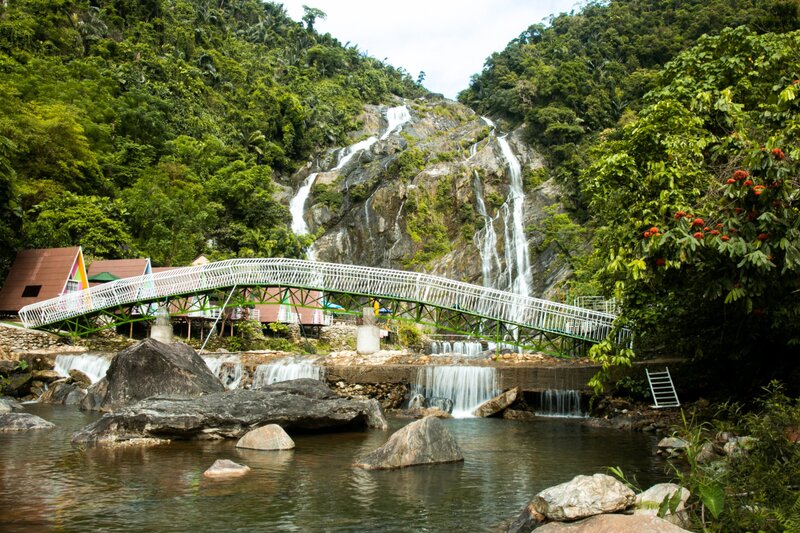
White Waterfall, Minh Long
White Waterfall plunges approximately 50 metres over a granite cliff deep in the primary forest of Minh Long district, its name derived from the white foam and spray that perpetually shroud the pool below. The surrounding forest forms part of the Ba To–Minh Long ecological corridor, home to the H're indigenous people for thousands of years. Reaching the waterfall requires a 3-kilometre forest walk — a journey that rewards both the trek and the destination.
Place→
Place
Quang Ngai
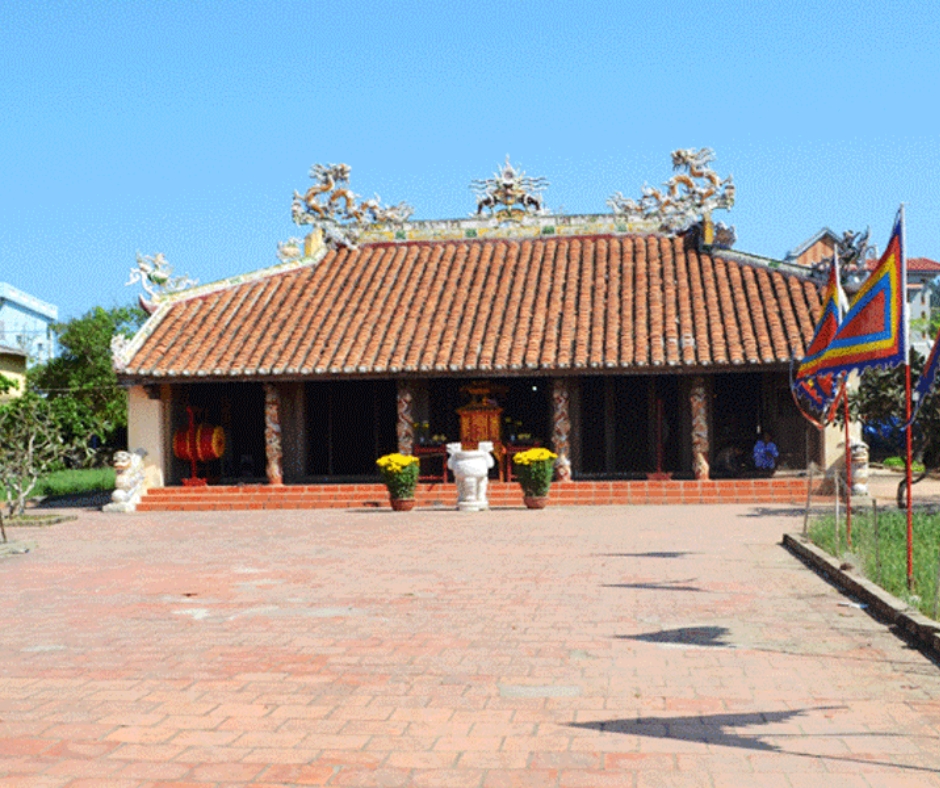
An Vinh Fishing Village, Ly Son
An Vinh village on Ly Son Island is the ancestral home of the Hoang Sa soldiers — the men who departed from this small harbour to patrol the Paracel Islands under the Nguyen lords from the 17th century onwards. Ancient stone steles engraved with the names of fallen soldiers still stand here, alongside Am Linh Tu, the communal shrine for the spirits of those lost at sea. The Khao Le The Linh Hoang Sa ceremony takes place here each third lunar month, the most distinctive folk ceremony in central Vietnam.
Place→
Know something we're missing?
Every contribution is cross-checked by our editors against at least 2 independent sources before publishing.
Submit a suggestion →