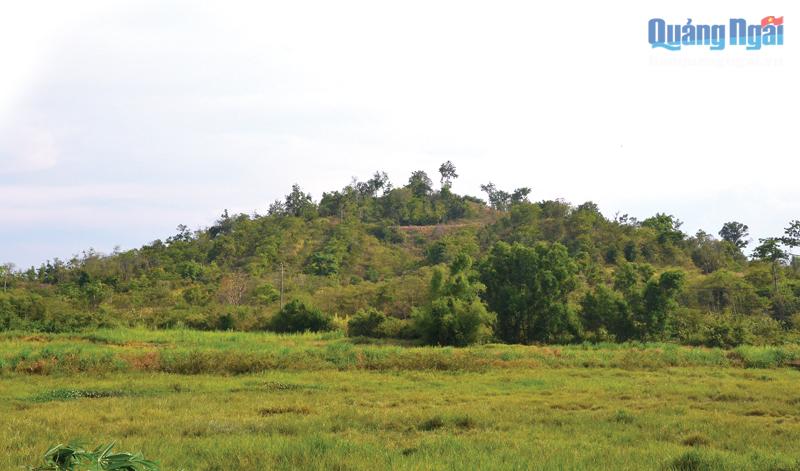
History & story.
Thien But Mountain rises 156 metres in Tu Nghia district, approximately 5 kilometres southwest of Quang Ngai city. The name 'Thien But' means 'heaven's writing brush' — derived from the mountain's distinctive shape: seen from a distance, the tapering peak resembles a calligraphy brush standing upright in the midst of the floodplain. In the feng shui beliefs of Quang Ngai people since the Nguyen dynasty, this form symbolises literature and intellect — a heavenly blessing on a land of scholars. The Thien But shrine was established on the summit in the 18th century, dedicated to Van Xuong De Quan, the divine patron of learning and civil service examinations in Vietnamese folk religion. From the Nguyen era, Quang Ngai students before the regional and national examinations would make the climb to offer incense and pray for sharpness of mind and fluency of writing.
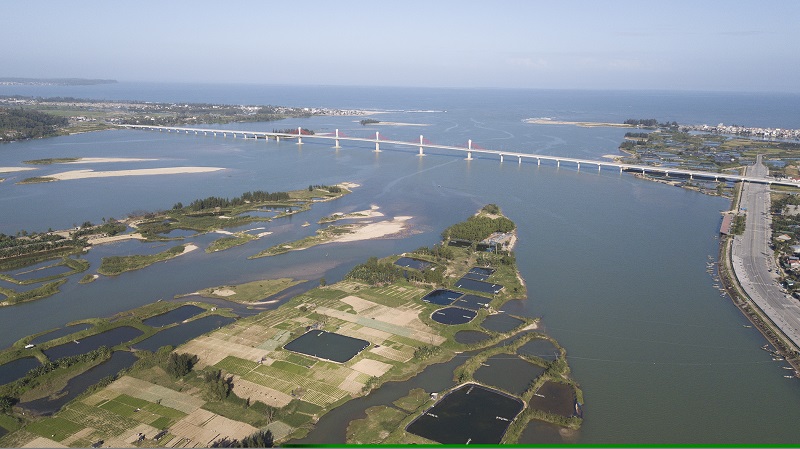
Quang Ngai is one of the most distinguished scholarly provinces in central Vietnam. From the Nguyen dynasty era, the province produced dozens of doctoral graduates and many high-ranking officials in the Hue court — a remarkable number relative to its small population. Notable scholars associated with Quang Ngai's academic tradition include Truong Dang Que, Nguyen Cu Trinh, and many others who contributed to Vietnamese literature and politics. Folk belief holds that this prosperity in scholarship is partly due to the 'sacred energy' of Thien But Mountain — the heavenly brush perpetually 'writing blessings' onto the land below. Every year at the start of the school year and before examination season, thousands of students from across Quang Ngai province visit the Thien But shrine to light incense and pray — a custom sustained continuously for more than two centuries.
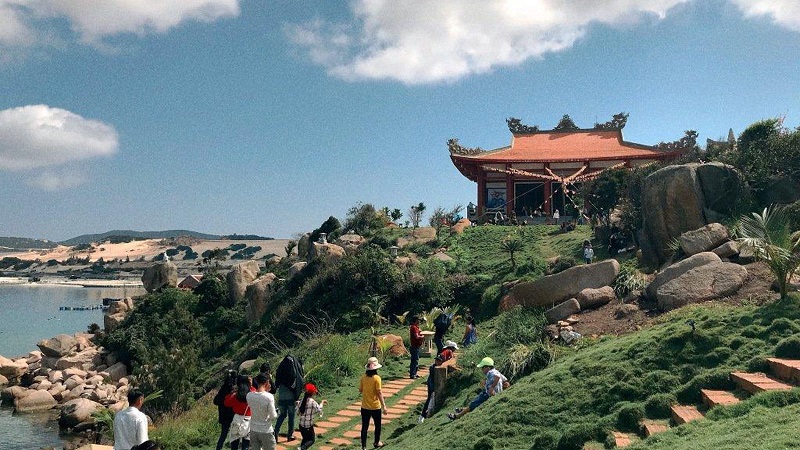
The Thien But shrine is built in the traditional Vietnamese communal-shrine (đình-miếu) style with curved roof tiles, red-lacquered and gold-gilt wooden columns, and inscribed Chinese-character plaques. The main hall enshrines a statue of Van Xuong De Quan in ceremonial robes, flanked by subsidiary statues honouring the eight earliest doctoral graduates from Quang Ngai province. From the shrine's terrace, the view sweeps across the entire Quang Ngai plain — green rice paddies, the Tra Khuc River, and the distant blue of the East Sea. On clear days in January through April, the full length of the coastline is visible from the summit, and the outline of Ly Son Island can be distinguished on the horizon. The quietude and magnificent natural setting make Thien But a destination not only for those seeking academic blessings, but also for visitors who simply want to escape the city's noise.
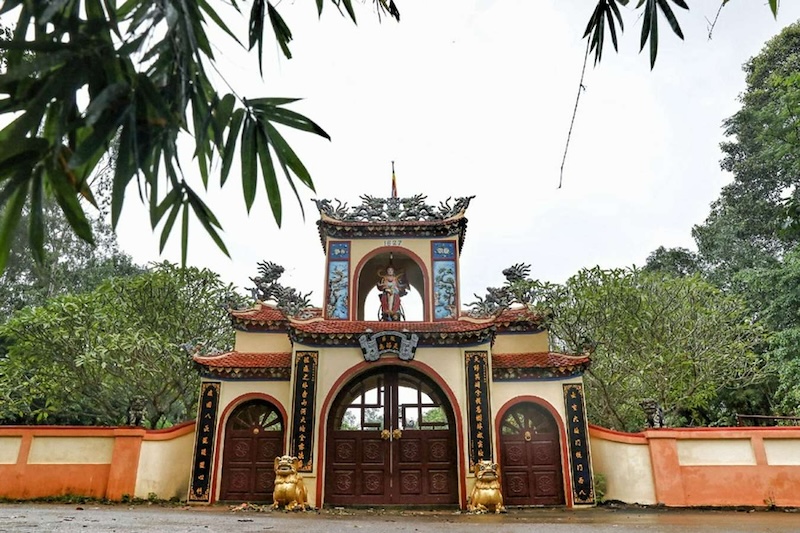
Each year, the Thien But shrine festival takes place on the 11th day of the first lunar month, drawing large crowds from across the province. The festival has two parts: the ritual section with incense offerings, ceremonial prayers, and the four-sacred-creatures dance; and the festive section with traditional games including human chess, martial arts exhibitions, and hat boi (classical Vietnamese opera). This is not only an occasion for academic prayers but also for the Quang Ngai community to gather, revisit cultural traditions, and preserve local identity. The stone stairway to the summit has approximately 200 steps, climbed in 15–20 minutes at a normal pace — enough of a challenge to feel meaningful without being excessive for older visitors or children.
Heaven's brush dips heaven's ink, writing for the people of Quang Ngai a legacy of scholarship eternal.
Ca dao Quảng Ngãi
Highlights not to miss.
The Thien But shrine atop the mountain is dedicated to Van Xuong De Quan, divine patron of learning and civil service examinations in Vietnamese folk religion. Each year in January–February, students from across the province climb to burn incense and pray for success — a custom maintained continuously for more than two centuries. The shrine is built in the traditional Vietnamese communal-shrine (đình-miếu) style with red-lacquered columns and inscribed Chinese character plaques, creating a solemn sacred atmosphere at the mountain's summit.
From the Thien But summit, a 360-degree panorama takes in the Quang Ngai plain, the meandering Tra Khuc River, and the long stretch of coastline. On clear days from January to April, Ly Son Island is visible as a blue silhouette on the East Sea — nearly 60 kilometres away. This is one of the highest and most rewarding viewpoints in the entire Quang Ngai coastal plain.
The annual Thien But festival on the 11th day of the first lunar month is one of the largest folk festivals in Quang Ngai province. The ceremonial section includes incense offerings, prayers read aloud, and the four-sacred-creatures dance; the festive section features human chess, martial arts exhibitions, and hat boi classical opera. Tens of thousands attend each year, turning the mountain's base into a lively festival ground while the summit retains its solemn, sacred atmosphere.
Visit Thien But in the late afternoon in January to witness students burning incense before exams, then stay to watch the sunset from the summit over the Quang Ngai plain. This is one of the province's least-known but most beautiful dusk views.
How to visit & get there.
Getting to Thien But Mountain **From Quang Ngai city**, head southwest along Provincial Road DT623 for approximately 5 km to Nghia Hiep commune. Thien But Mountain is visible from a distance thanks to its distinctive shape. **Motorbikes and cars** can reach the mountain base; ample parking is available. From the base, 200 stone steps take about 15–20 minutes to climb.
Visiting the Shrine and Ritual Customs **Bring incense and betel** if you want to perform the traditional academic blessing ceremony. **Arrive early** in January–February, the peak season with large numbers of students and families. **Bring a jacket** for early morning visits in winter (December–February) — the summit is breezy and noticeably cooler than the plain below.
Sources
- 1.Núi Thiên Bút — biểu tượng hiếu học Quảng Ngãi
Tạp chí Tổ Quốc · 2026-06-26
- 2.Núi Thiên Bút Quảng Ngãi
VietnamPlus · 2026-06-26