Flavours of the land


Places to visit
Cultural rhythms
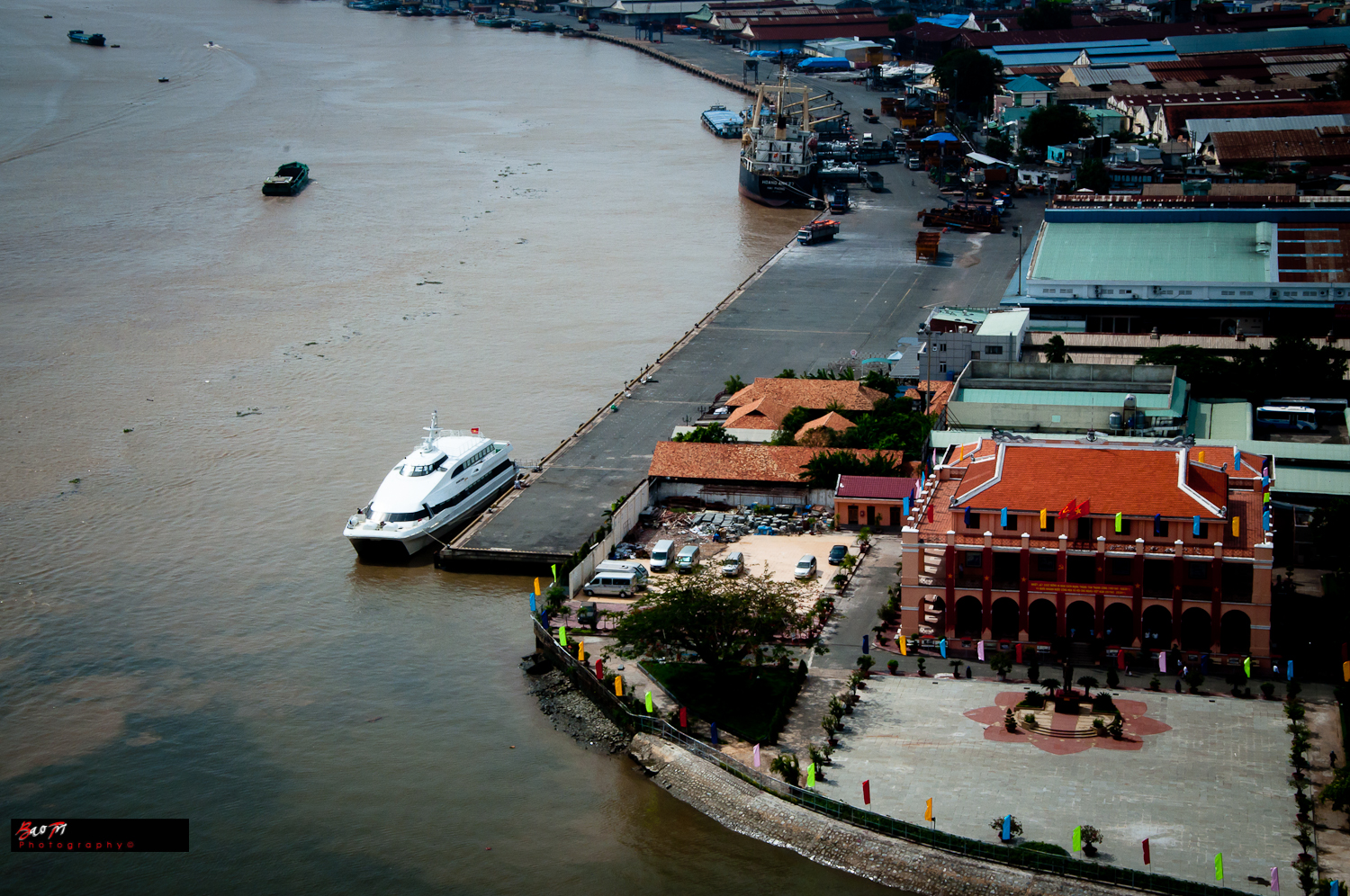
In Ho Chi Minh City's only coastal district, Can Gio's fishermen do not go out to sea to fish on three days in mid-August of the lunar calendar — instead they dress in ceremonial clothes, decorate their boats with colored fabric and banners, and escort Ong Nam Hai — the sacred whale — out to the open South China Sea to give thanks and ask for a season of safe waters.
When ten million people flood the streets in a single night, Saigon isn't merely welcoming a new year — it is reinventing itself in a torrent of fireworks smoke, incense, and lion-dance drums echoing from every alley.
✦ Trending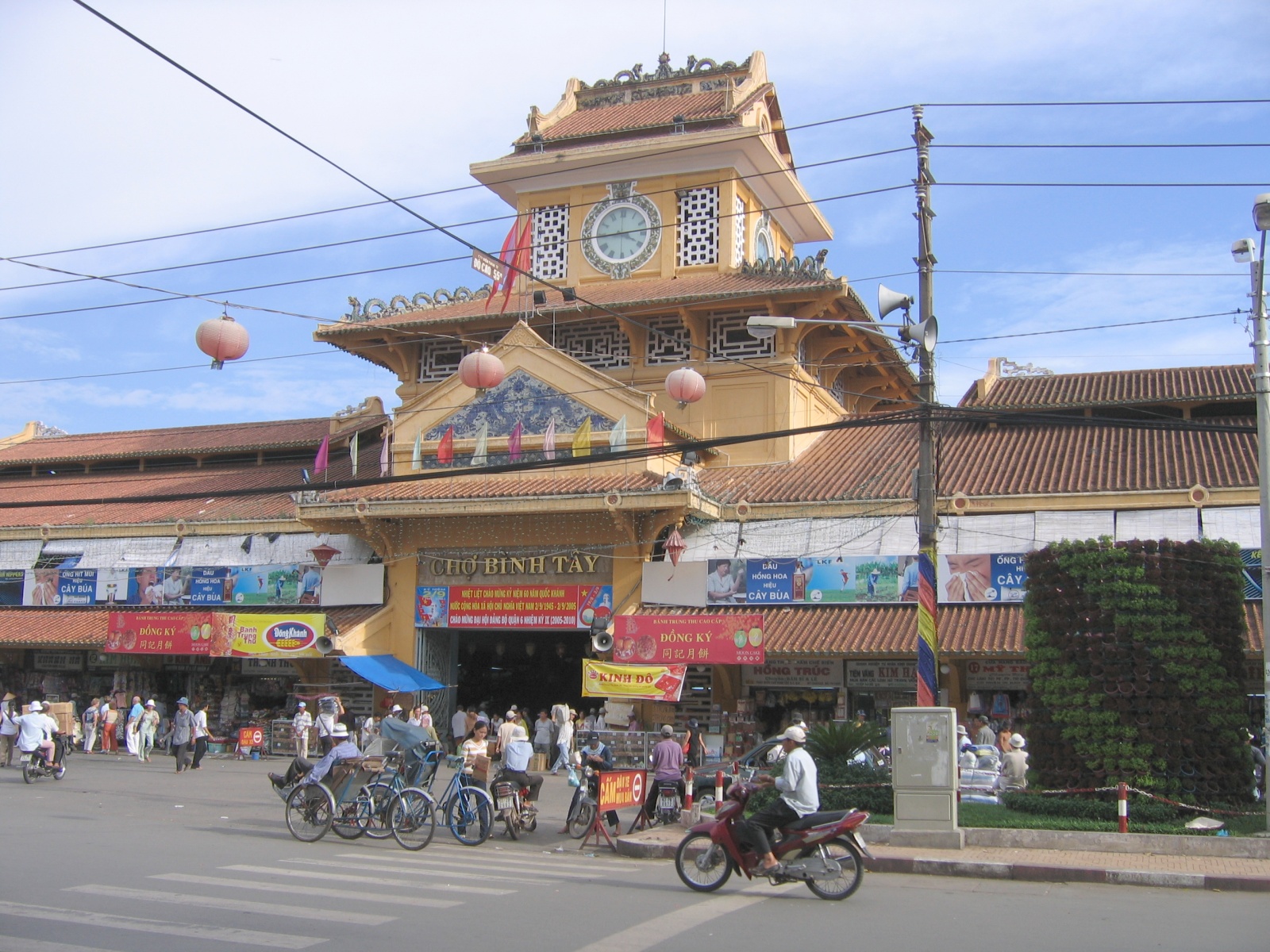
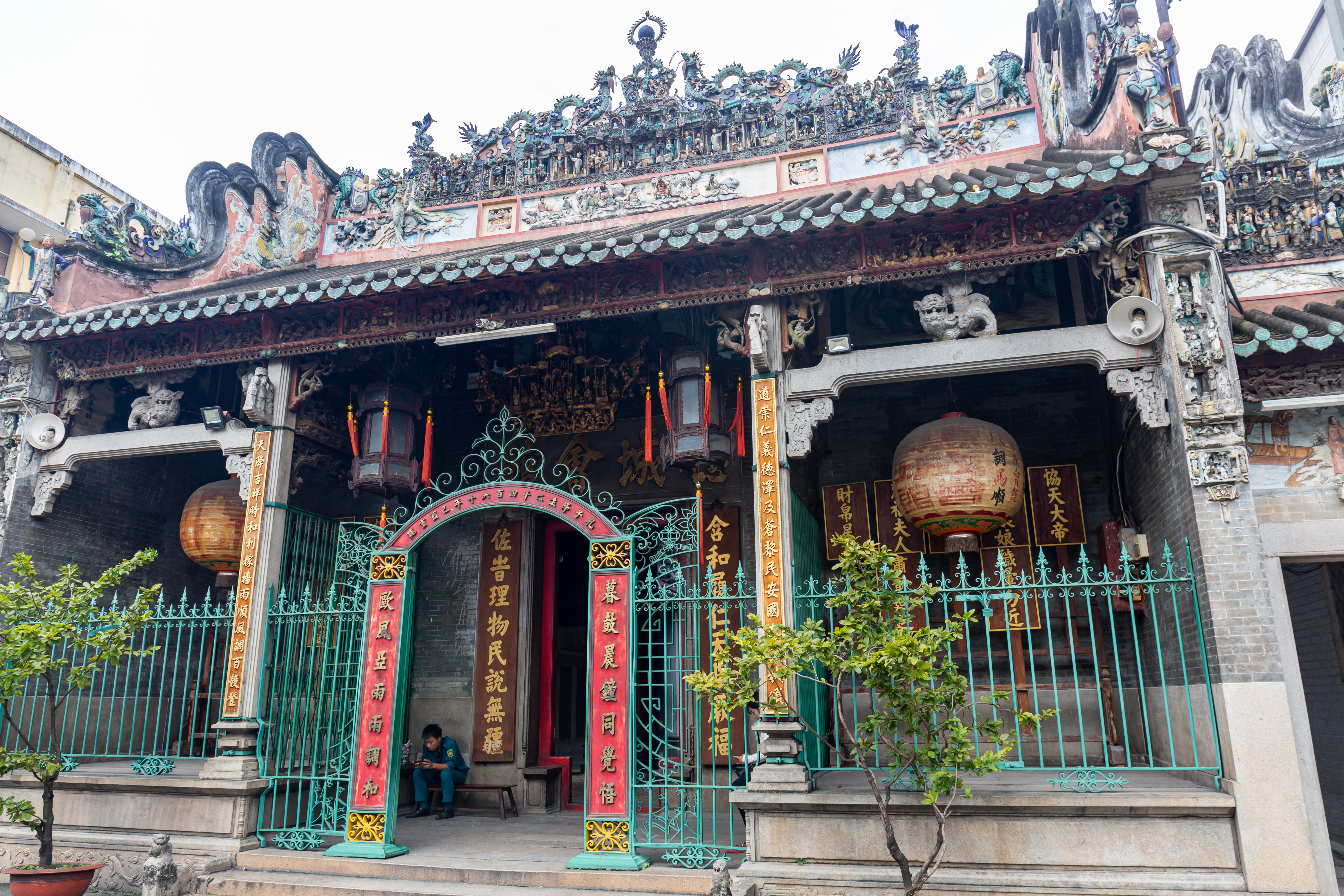
On the first full-moon night of the lunar year in District 5, Saigon vanishes and another city appears — where lion-dance drums sound in Cantonese rhythms, incense from Qing-dynasty assembly halls hangs in the air, and thousands of costumed marchers process in honor of a war god who died in the 3rd century.
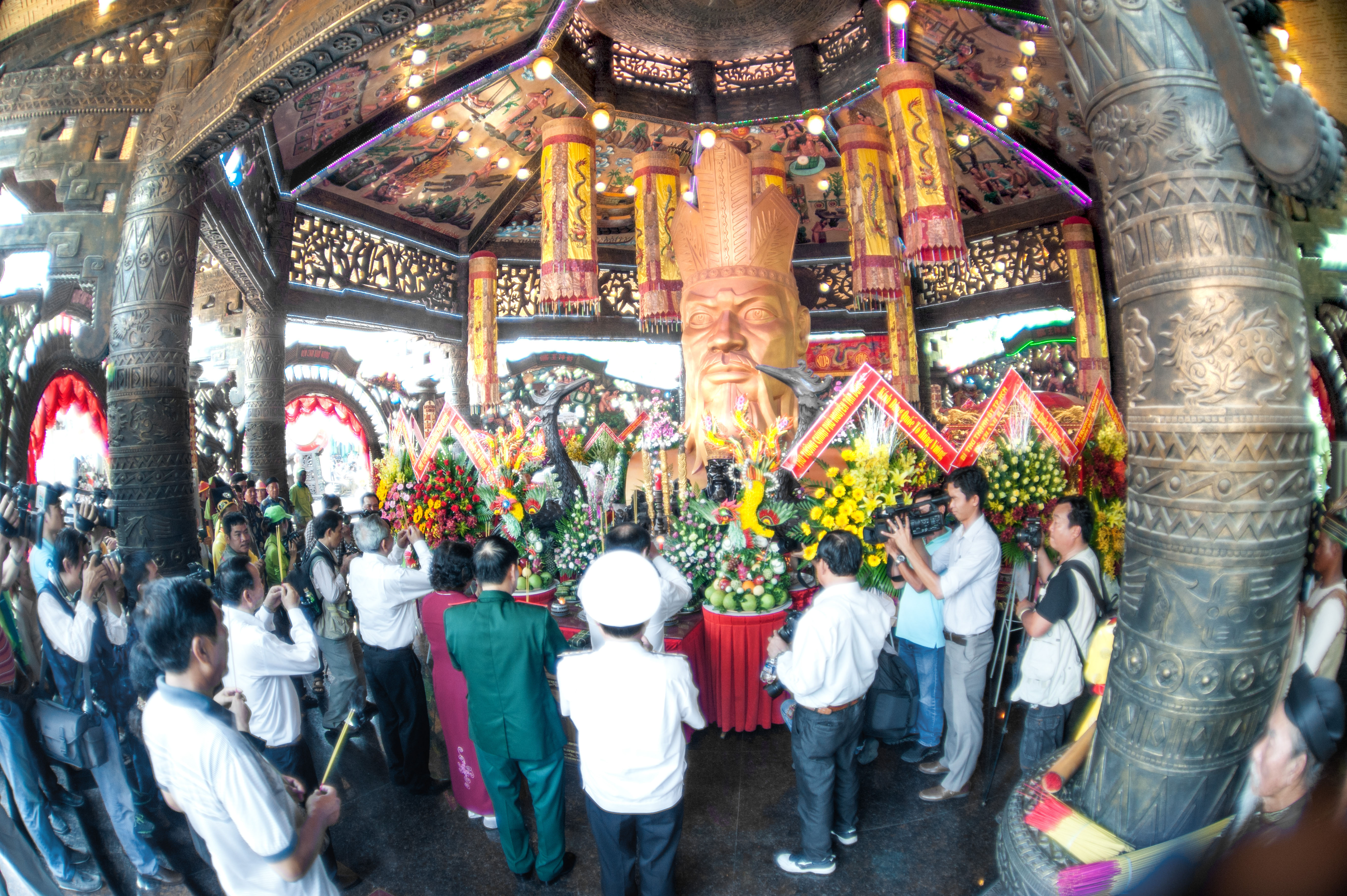
The old verse "Wherever you may roam, remember the ancestor's memorial on the tenth of the third month" keeps ten million Saigonese — whether from the north, south, or of Chinese descent — turning toward a single common origin on one day each year.
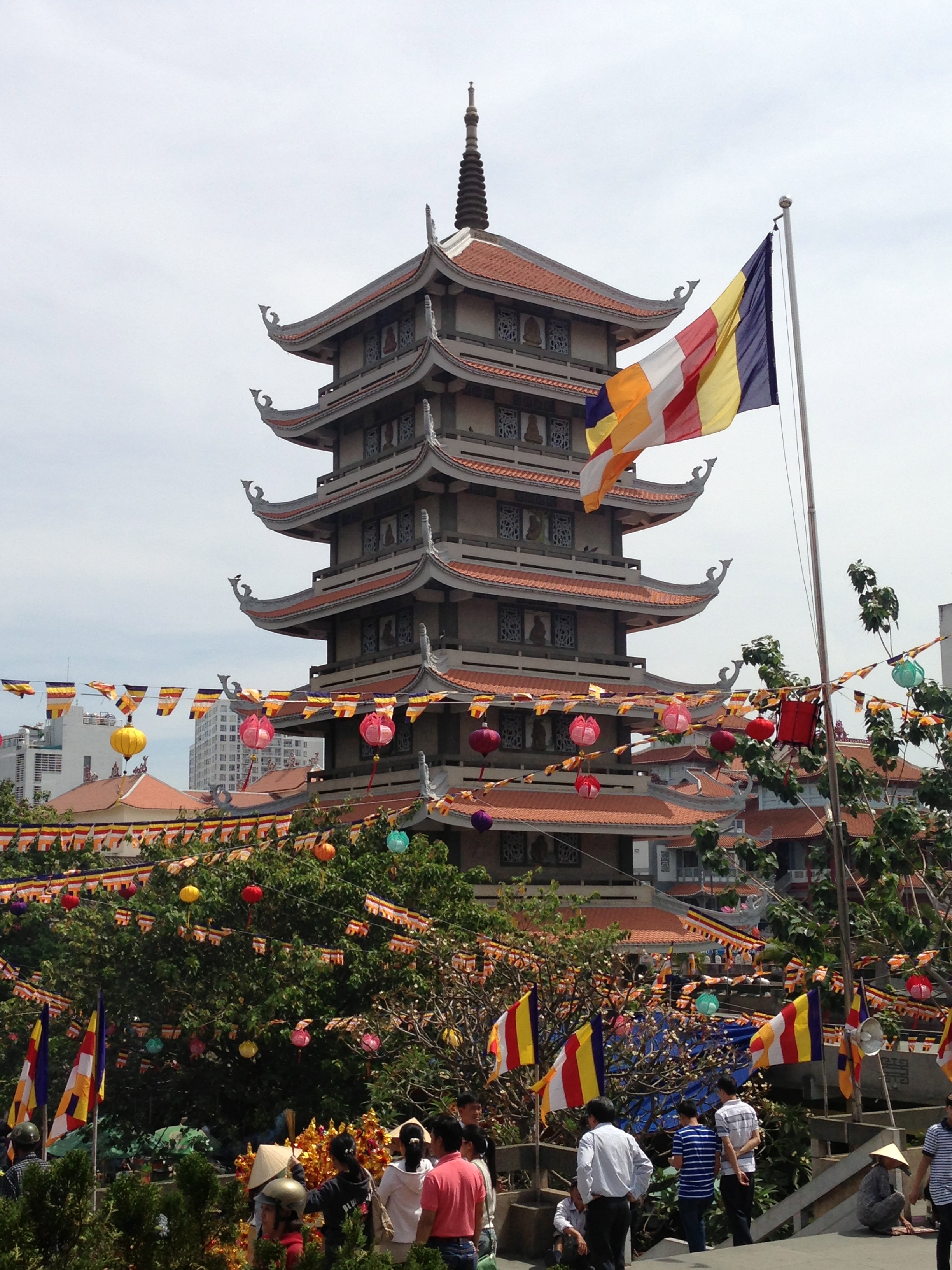
When more than 2,000 pagodas in Ho Chi Minh City light their lanterns on the same night, the city ceases to be an industrial metropolis — it becomes a miniature universe of light and compassion, where all sectarian boundaries dissolve in incense smoke and the sound of temple bells.
✦ Trending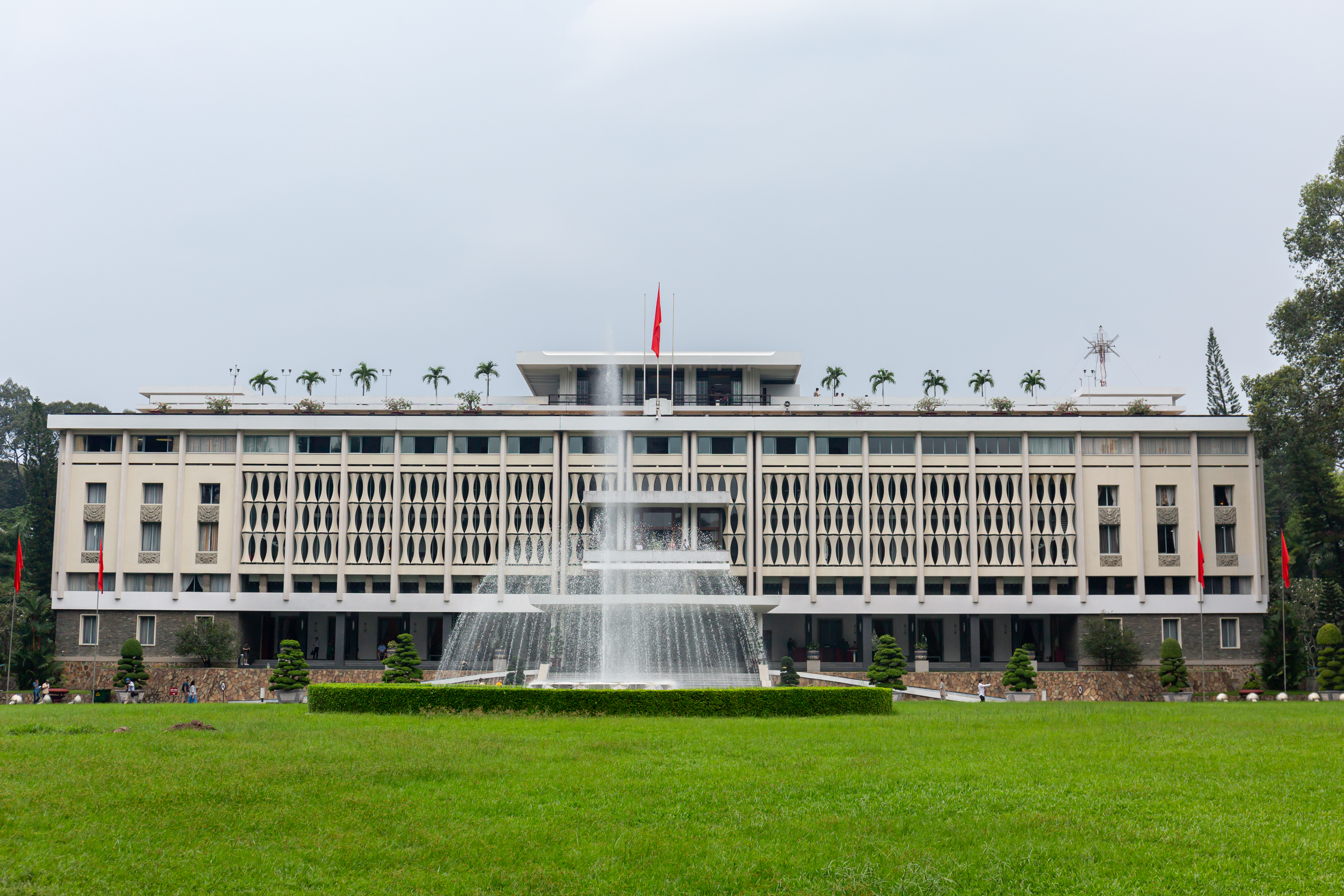
In a city where Japanese troops were still garrisoned 81 years ago and the French had just returned, the fireworks of September 2nd over the Saigon River are not merely celebration — they are an assertion that history cannot be reversed.
✦ TrendingKnow something we're missing?
Every contribution is cross-checked by our editors against at least 2 independent sources before publishing.
Submit a suggestion →