
History & story.
Ben Thanh Market in its current form was constructed from 1912 to 1914 and inaugurated on March 28, 1914 — replacing an older market established near the riverbank since the 17th century. The distinctive circular clock tower at the southern gate has become the defining symbol of Saigon, appearing on postage stamps, coins and millions of postcards sent worldwide over more than a century. Architect Eugène Mopin designed the building in neoclassical style with four main gates facing the four cardinal directions, iron vaulted roofs, and an airy interior allowing natural ventilation in the tropical climate. The 13,000-square-metre floor plan contains nearly 3,000 stalls organized into specialized sections.
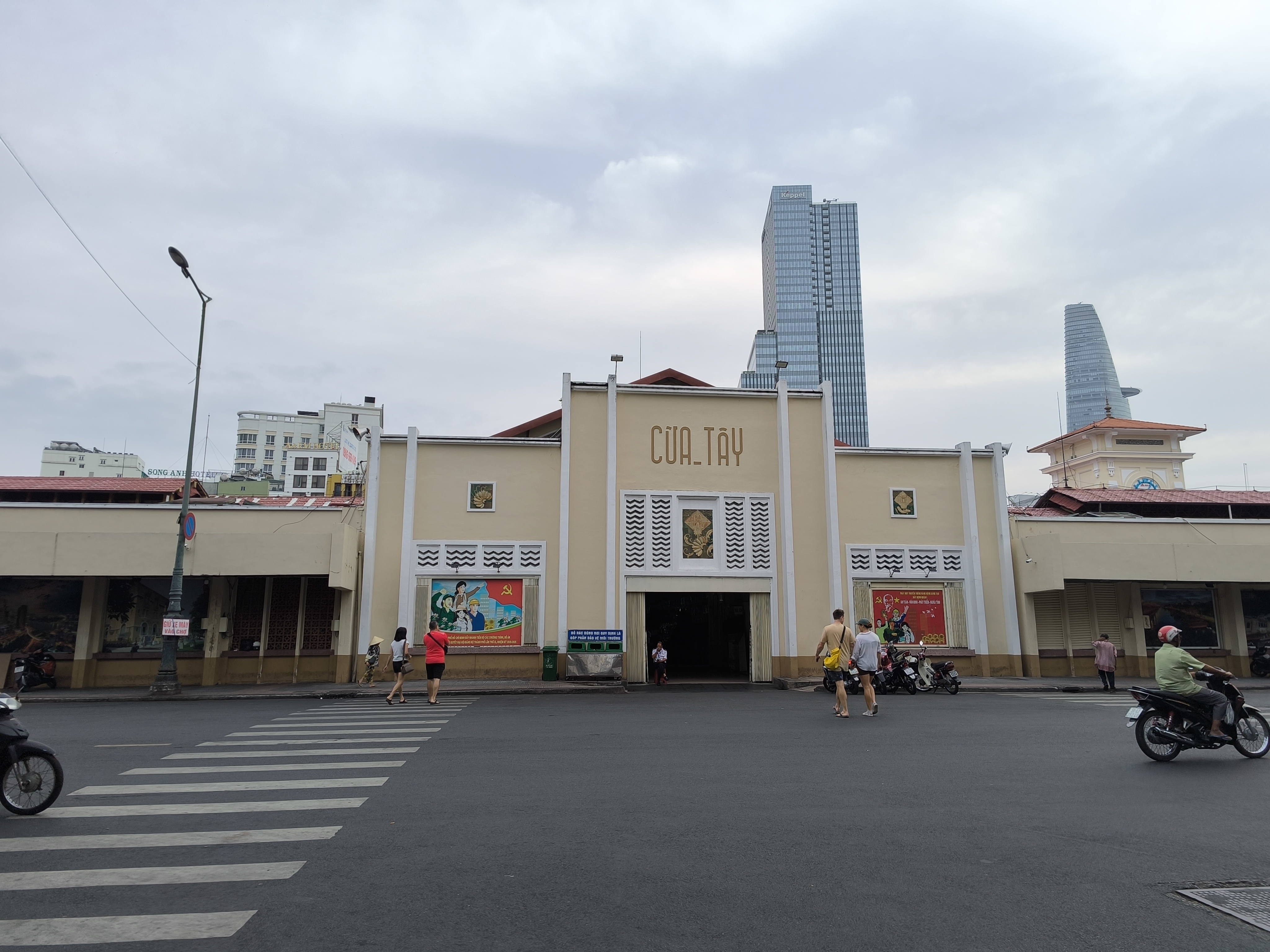
Inside the market, areas are clearly divided by category: the busiest is the fresh produce section with vegetables, meat and seafood; the central food court with dozens of stalls serving everything from pho to sweet desserts; and sections for souvenirs, fabrics, áo dài and handicrafts. Bargaining skills are essential — displayed prices are typically two to three times the actual price and vendors are accustomed to extended negotiations. Local residents mostly visit in the early morning for fresh produce; tourists come during the day for souvenirs and meals.
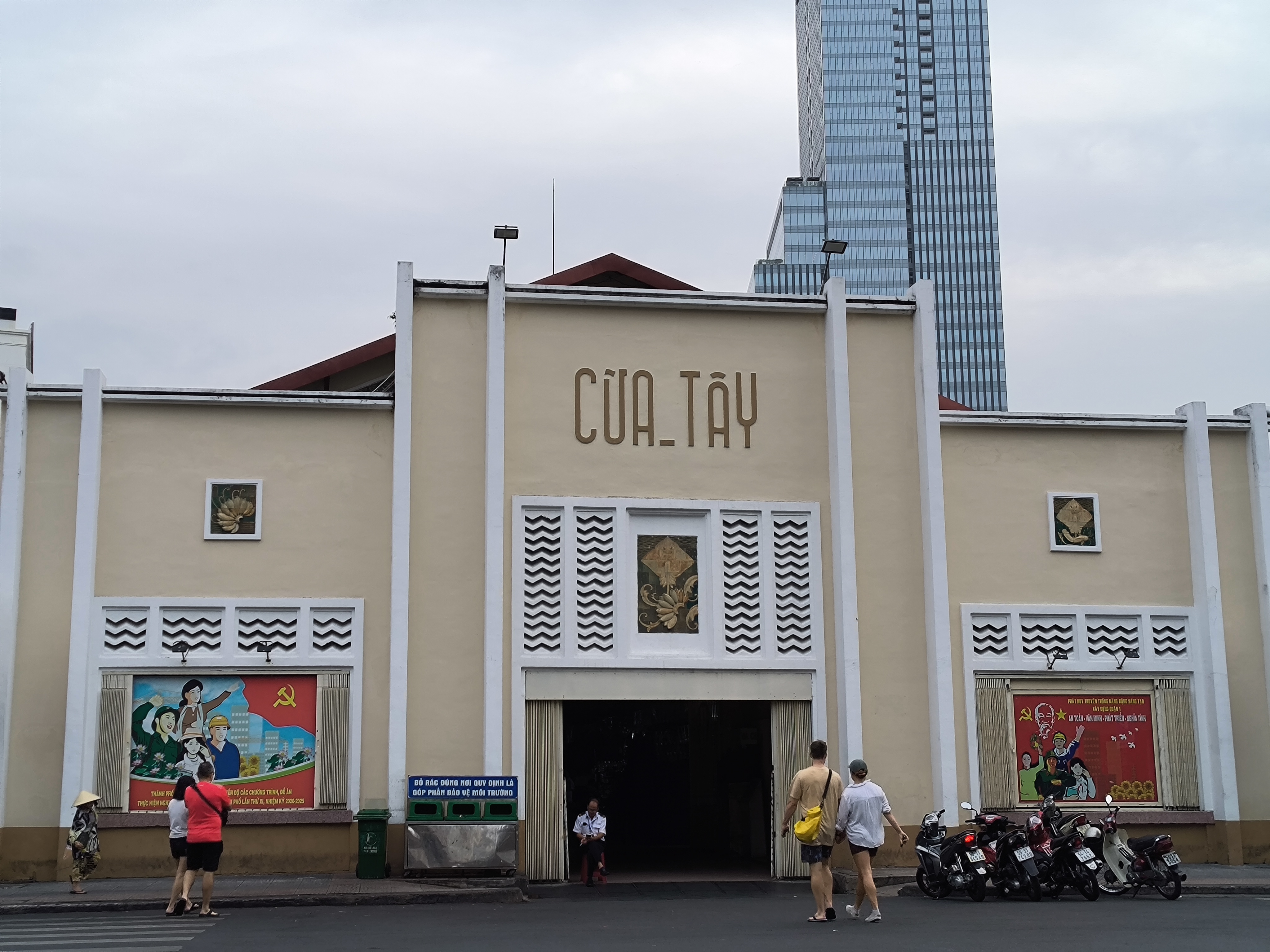
Ben Thanh Market is not just a shopping destination — it is the collective memory of generations of Saigonese. Every family has its own story with the market: someone who bought wedding fabric in 1970, someone who bought Tet cloth in 1985, someone who ate bún bò inside the market before school from the 1960s to today. In 2012, when the city proposed building a metro line through the area that would require structural changes to the market, a wave of public opposition forced urban planners to adjust the design to protect the historic structure — the clearest possible statement of the place Ben Thanh Market holds in Saigon's urban consciousness.
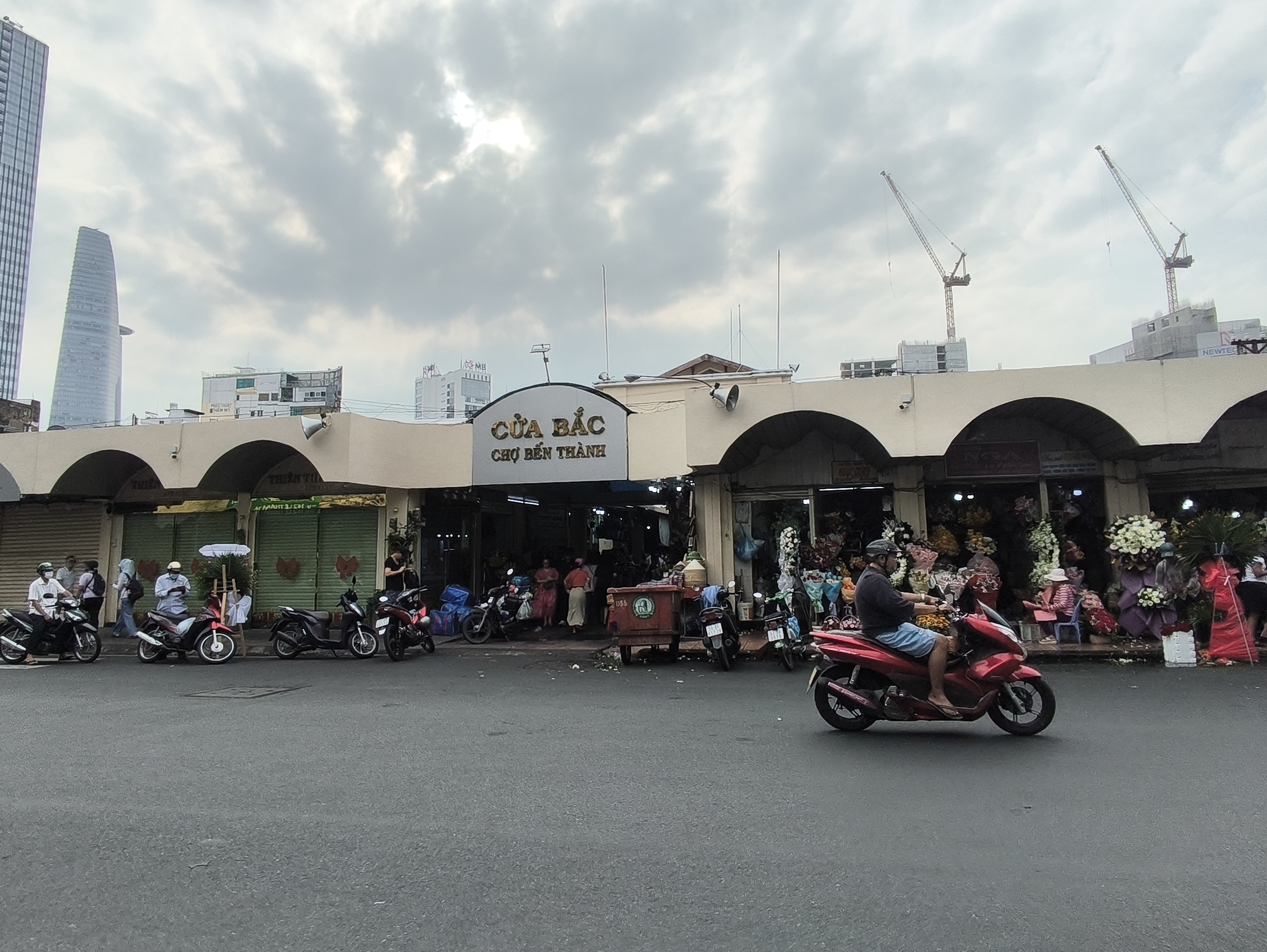
In 2012, plans to dig the Ben Thanh metro station directly beneath the market's forecourt sparked fierce debate, with engineers concerned about the impact on the century-old foundations. After extensive technical review, construction proceeded and the station opened in December 2024 without damaging the market. In November 2024, the Ministry of Culture officially designated Ben Thanh Market as a national architectural heritage site — a status Saigonese had granted it informally for decades. Today it serves three roles simultaneously: a shopping venue for locals, the single most visited tourist landmark in Ho Chi Minh City, and a living symbol of Saigon's urban identity.
This market sells not just goods — it sells the memory of Saigon to people who never lived here.
— Nhà báo Trương Điện Thắng, loạt bài 110 năm Chợ Bến Thành, Tuổi Trẻ 2024
Highlights not to miss.
The food hall in the market's central courtyard clusters dozens of stalls under the iron-vault roof, serving bánh mì, hủ tiếu Nam Vang ladled from clay pots, and cơm tấm sườn bì chả from early morning. Prices run VND 30,000–60,000 per dish — among the most affordable sit-down meals in District 1. The best time is before 9 AM when the produce-sellers and food-stall regulars are both in full swing.
The spice section runs along the eastern and northern interior perimeter, its wooden bins piled with Phu Quoc pepper, Mekong cinnamon bark and makrut lime leaves. A single stall may carry forty varieties of dried shrimp — a visual and olfactory overload that no supermarket replicates.
The four-sided clock face was installed at inauguration in 1914 and has been repaired only twice — it is the oldest working public clock mechanism in the city. The hybrid European-Asian main gate with its four corner towers is the image that has appeared on more Saigon postcards than any other landmark for over a century.
From 18:00, the streets ringing the market — Phan Boi Chau, Le Thanh Ton and Phan Chu Trinh — fill with push-carts grilling bánh tráng nướng, frying bò né and selling phở bò viên to hundreds of plastic-stool diners. Prices are negotiable, competition is fierce, and the atmosphere is louder and more casual than the daytime market.
Arrive before 7:00 AM for the freshest produce and to experience the authentic Saigon morning rhythm. The food hall opens early and breakfast here is exceptionally good value.
How to visit & get there.
Getting There Ben Thanh Market is in central District 1, a 5-minute walk from Nguyen Hue Walking Street. Ben Thanh metro station (Line 1, opened December 2024) is directly beneath the market — the fastest and cheapest way to arrive from anywhere on the line. Walking from most central hotels is the most convenient option.
Shopping Tips Bargaining is expected — listed prices are typically 30–50% above the actual price. Start by offering around 40–50% of the asking price and negotiate from there. **Bring cash** as not all stalls accept cards. Stay alert to pickpockets in crowded areas.
Sources
- 1.Chợ Bến Thành — lịch sử và hiện tại
Cổng thông tin điện tử TP.HCM · 2025-03-01
- 2.Chợ Bến Thành tròn 100 năm
VnExpress · 2025-03-01
- 3.Ben Thanh Market
Lonely Planet · 2025-03-01