History & story.
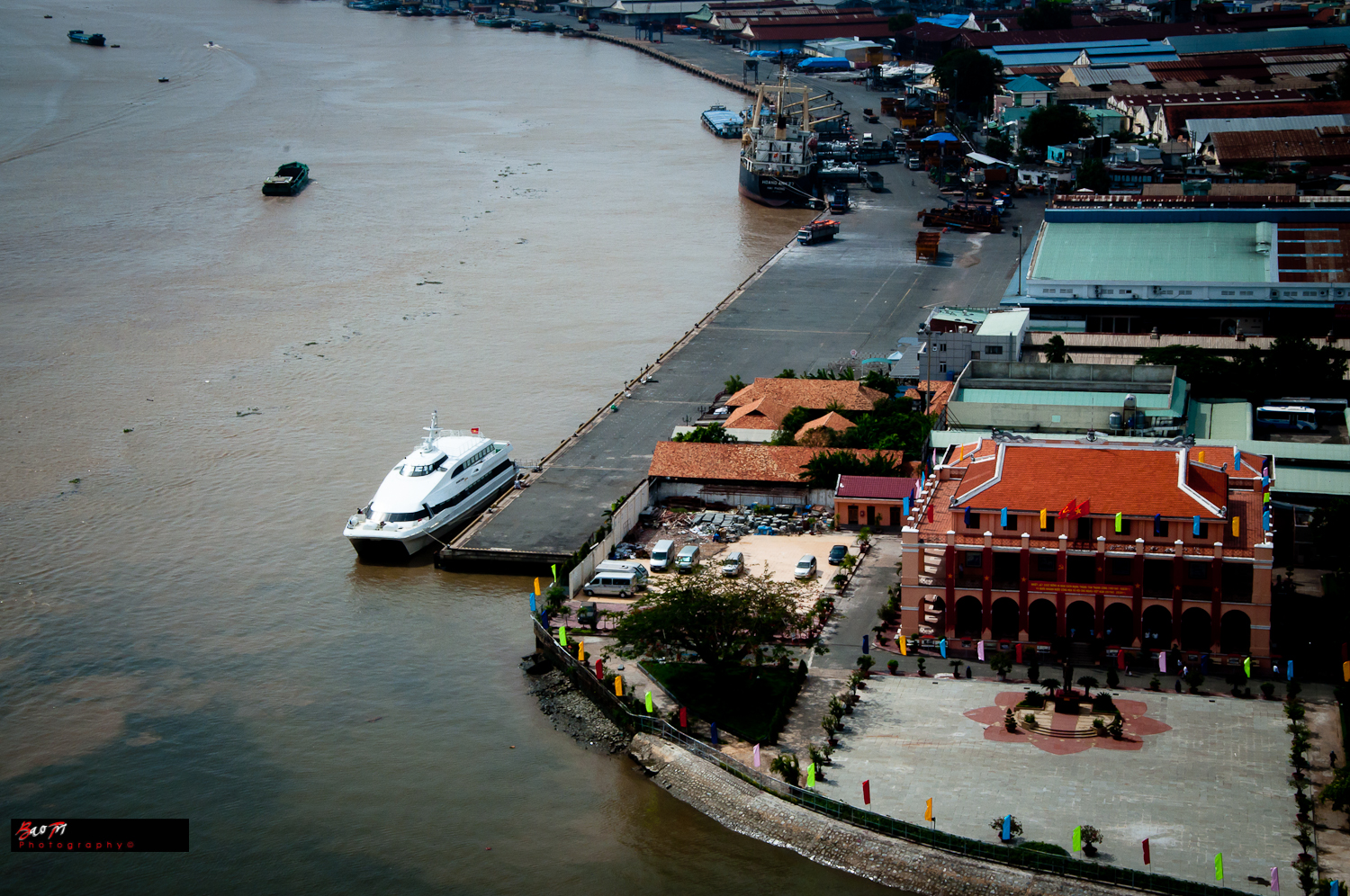
Ben Nha Rong was built in 1863 shortly after France seized Saigon, serving as the headquarters of the French Maritime Transport Company (Messageries Maritimes). The name "Dragon House" (Nhà Rồng) comes from two ceramic dragons decorating the rooftop in Southern Vietnamese style — an architectural detail combining colonial function with indigenous aesthetics rarely seen in contemporaneous structures. The building sits directly on the Saigon riverbank, once the departure point for all voyages to France and the gateway through which goods, soldiers and political ideas from Europe poured into Indochina. It was the intersection of two worlds — colonial and indigenous — on land that would become Vietnam's largest city.
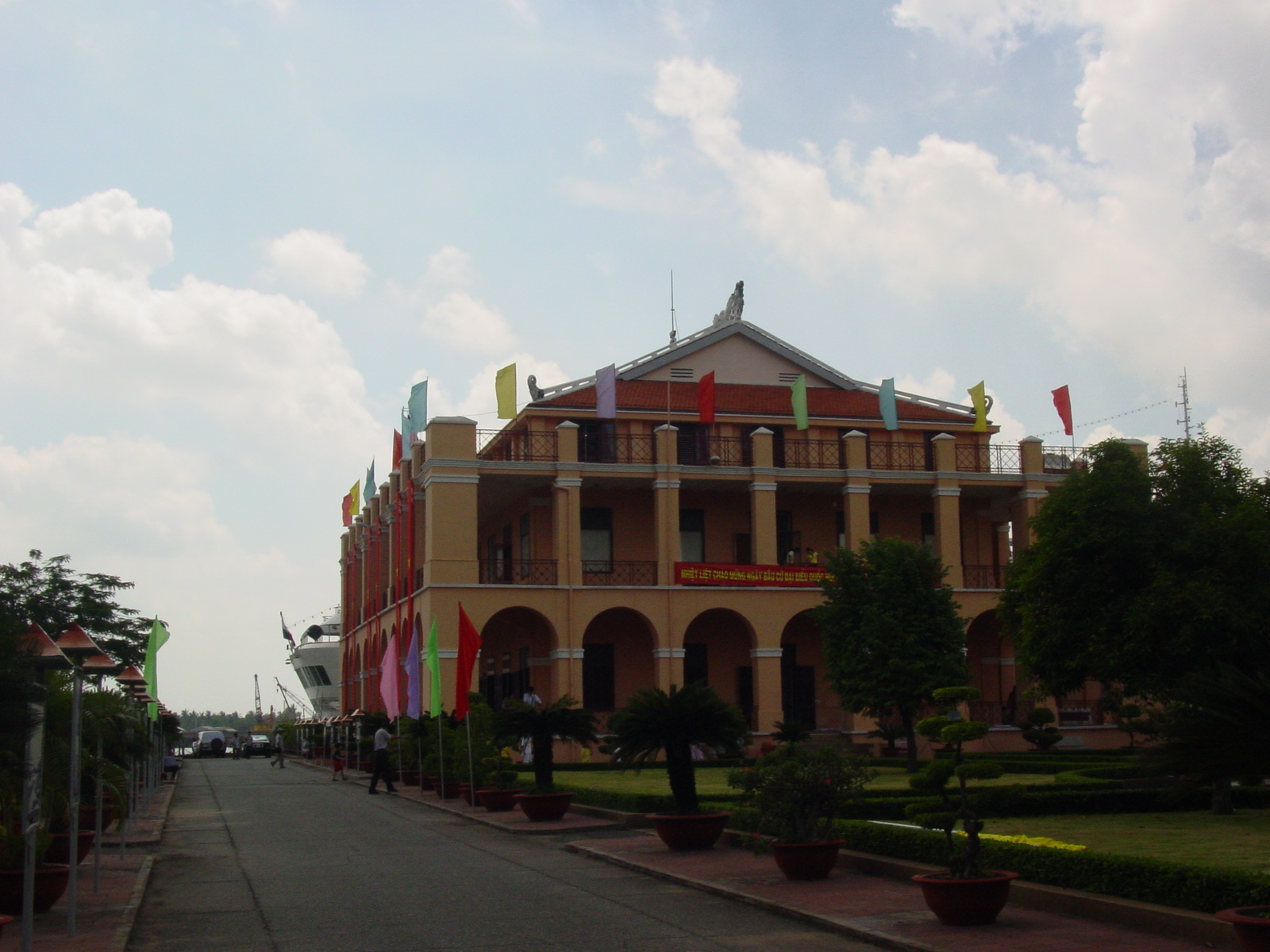
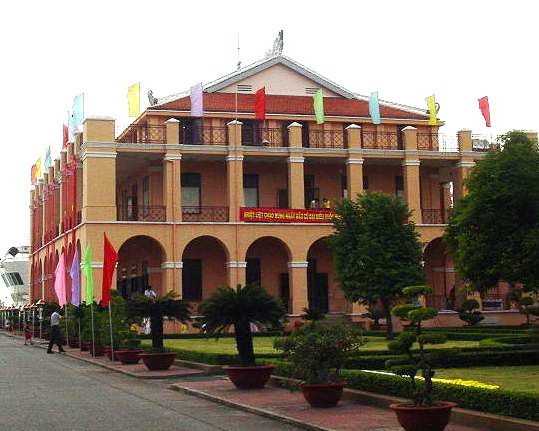
On June 5, 1911, a 21-year-old named Nguyễn Tất Thành — later President Ho Chi Minh — boarded the ship Amiral Latouche-Tréville at this wharf to begin a 30-year journey abroad searching for a path to national liberation. That event transformed Ben Nha Rong into one of Vietnam's most historically significant landmarks. In 1979, the building was converted into the Ho Chi Minh Museum (Ho Chi Minh City Branch), displaying more than 10,000 artefacts related to his life and career — from newspapers and books he read during his years abroad to documents from the 1973 Paris Peace Accords.
Today Ben Nha Rong sits within the Saigon port area being redeveloped into riverfront urban space, with plans to transform the eastern bank of the Saigon River into a walking promenade connecting parks and cultural venues. The wharf's location — looking directly across to the developing Thu Thiem urban district with its modern glass towers — creates an architectural dialogue between past and future that few cities in the world possess. Each afternoon, Saigonese sit on the riverside steps watching boats pass, and perhaps not everyone knows that it was here, more than a century ago, that a young man stepped aboard a ship and began to change history.
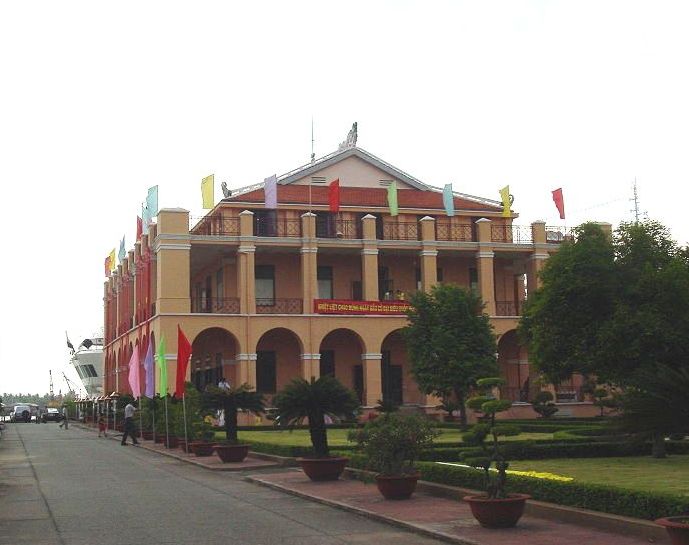
After 1975, the building was converted into the Ho Chi Minh Museum Ho Chi Minh City Branch, which opened in 1979. The major 1993 renovation restored the yellow tile roof and both terracotta dragons while modernizing the interior exhibition. In 2023, the museum completed a comprehensive upgrade with new bilingual panels and interactive digital exhibition rooms. Each year, June 5 is the busiest visiting day, when thousands arrive to lay flowers at the historic dock.
On June 5, 1911, a 21-year-old named Nguyễn Tất Thành boarded a ship at this dock with empty hands and a new alias — Van Ba — beginning a 30-year journey to find a path for his nation's independence.
Hồ Chí Minh — Biên niên tiểu sử, Nhà xuất bản Chính trị Quốc gia, 2006
Highlights not to miss.
A bronze commemorative plaque on the riverside wall marks the precise berth of the Amiral Latouche-Tréville, inscribed with the date June 5, 1911. Standing on the stone steps descending to the water, visitors look across to the Thu Thiem skyline — a juxtaposition of one man's departure point and Vietnam's most modern new district. The plaque's inscription, memorized by Vietnamese schoolchildren nationwide, reads: "The one who left to find a way to save the nation."
The two terracotta dragons were commissioned from local artisans at construction in 1863 and are among the few examples of Sino-Vietnamese decorative motifs incorporated into French colonial architecture in Saigon. Each faces outward from the central ridge of the yellow-painted tile roof, their scales painted in dark green and gold glaze. They were restored in 1993 ahead of the building's conversion into a state museum, and replicas now appear on the official museum logo.
Among the most significant objects is a replica of the ship log recording "Van Ba, kitchen worker" — the alias Ho Chi Minh used to board. Room 3 holds period newspapers from Paris, London and New York that Nguyễn Tất Thành read during his years in Europe, annotated in his own handwriting. A separate gallery traces his journey through more than 30 countries across five continents before his 1941 return to Vietnam.
From the riverside terrace — a narrow stone platform directly above the water — the 1911 departure route across the Saigon River is still unobstructed. The best photography angle is from the eastern corner at dawn, when the river is calm and river traffic minimal. The early morning quiet offers a stillness entirely unlike the tourist bustle of midday.
Visit on a Tuesday to Thursday morning to avoid crowds and have a quiet space for reflection. The museum offers English commentary on request at the reception desk.
How to visit & get there.
Getting There Ben Nha Rong is in District 4, about 2 km from central District 1 — a 10-minute ride. **Grab is the most convenient option.** Note the midday closure (11:30–13:30) and that the museum closes on Mondays and Fridays.
Visiting Tips Entry is free, so expect crowds on public holidays. **Allow 1–1.5 hours** to see all the exhibition rooms. Consider combining with a riverside walk along Bach Dang Wharf and Nguyen Hue Walking Street nearby.
Sources
- 1.Bảo tàng Hồ Chí Minh — Chi nhánh TP.HCM
Bảo tàng Hồ Chí Minh · 2025-03-01
- 2.Bến Nhà Rồng — nơi Bác Hồ ra đi tìm đường cứu nước
VnExpress · 2025-03-01
- 3.Ho Chi Minh Museum — Ben Nha Rong
Vietnam Tourism · 2025-03-01