History & story.
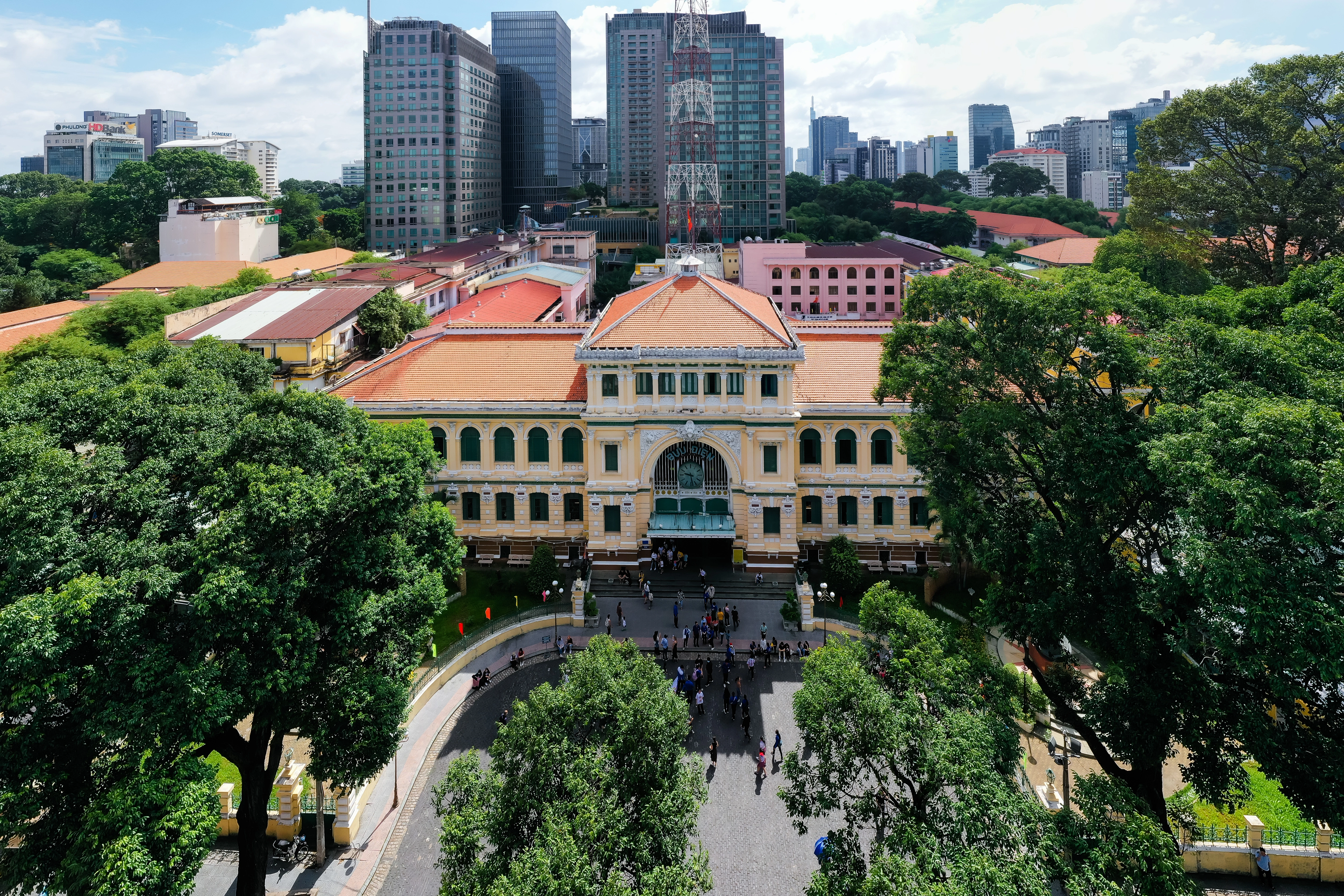
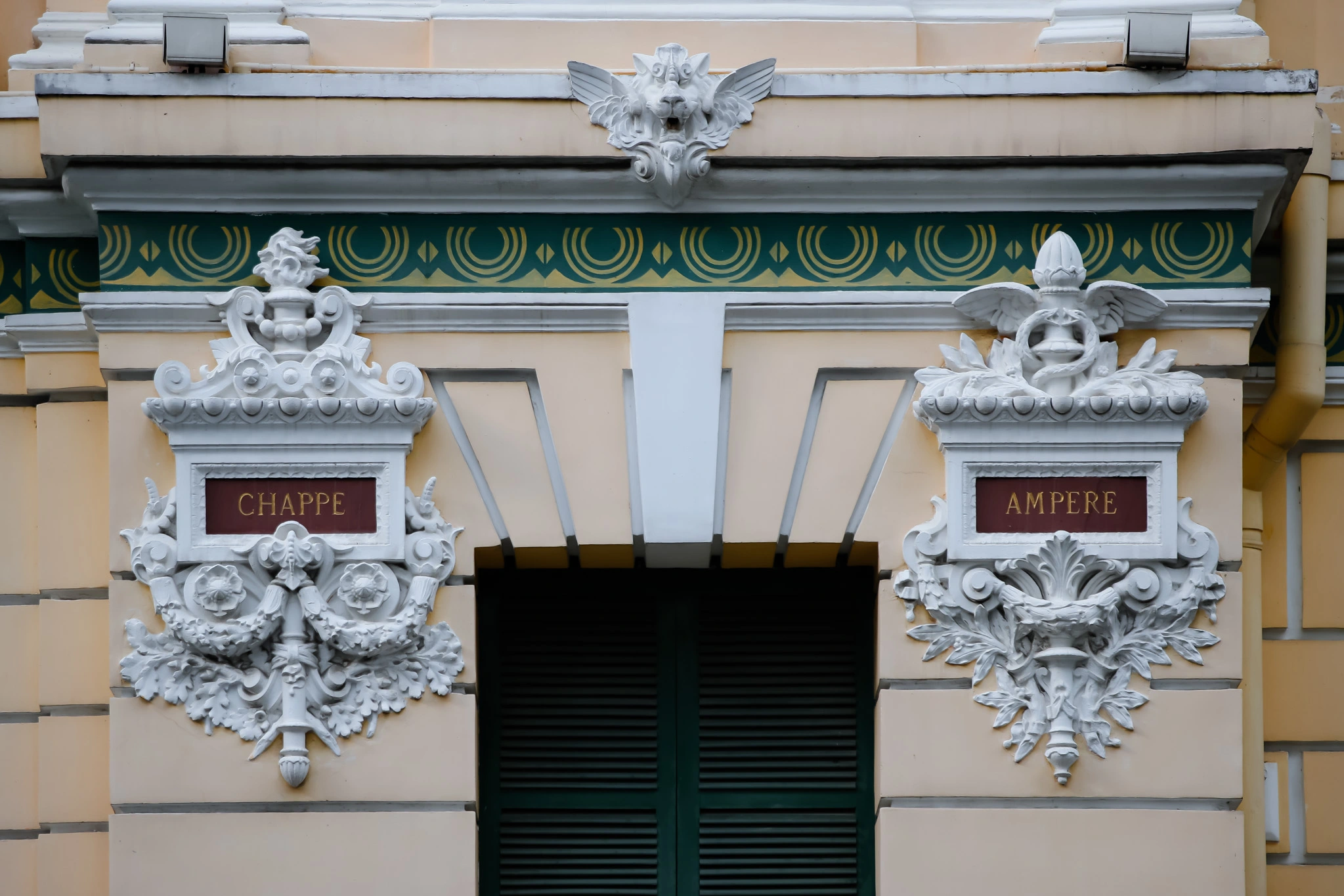
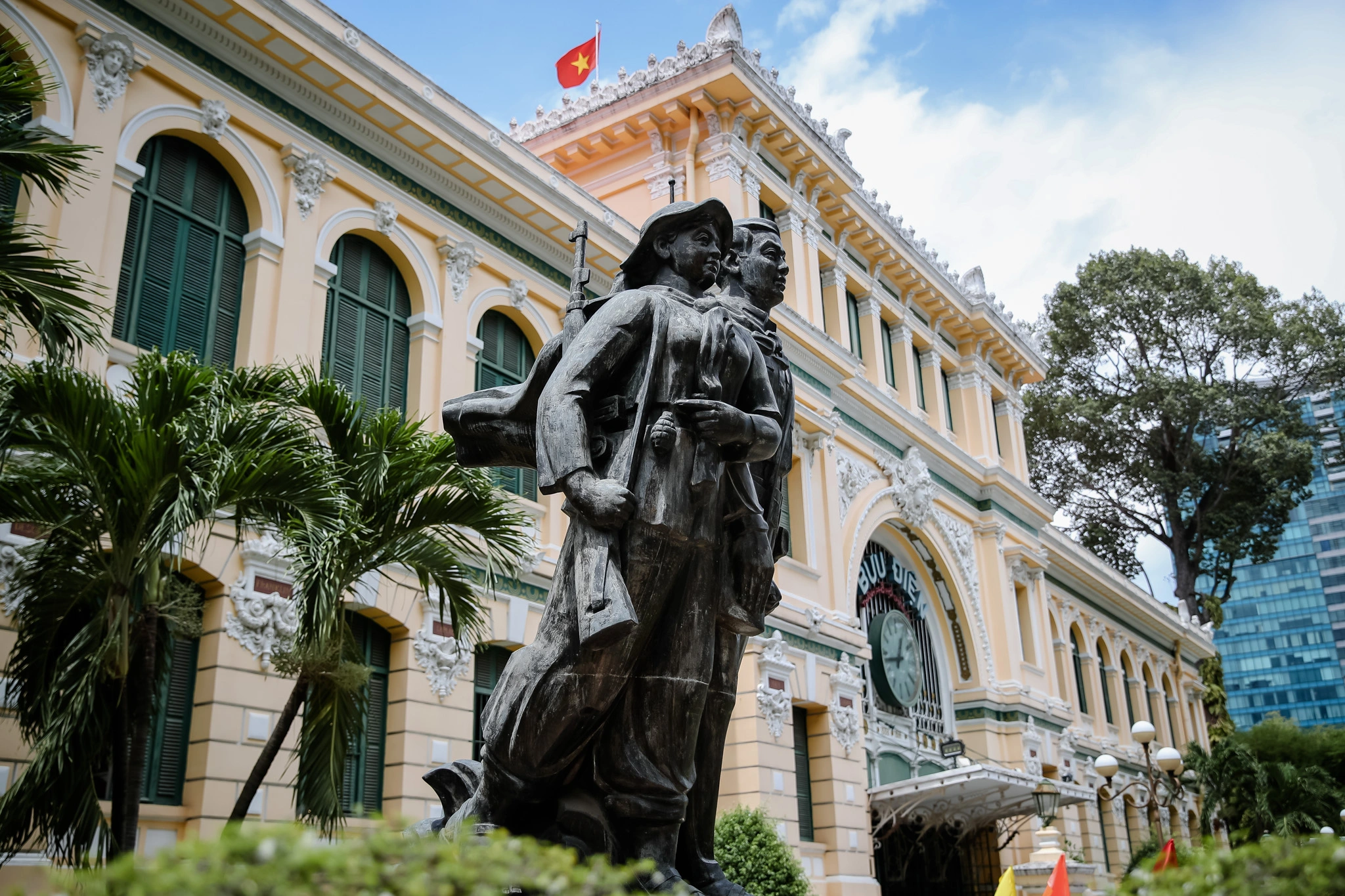
Saigon Central Post Office was built from 1886 to 1891 to designs by architect Villedieu and assistant Foulhoux — not Gustave Eiffel, as urban legend persistently claims. The building's original name was 'Sở Dây thép Sài Gòn' (Saigon Telegraph Office), serving as the telecommunications hub for all of Indochina. The architecture combines European Gothic language with Asian elements: a large steel vaulted arch supported by four cast-iron columns, coloured glass in the central dome casting light onto the main hall below, and decorative motifs on the roof inspired by Khmer temple art. On the exterior facade, the names of telegraph and telecommunications scientists are engraved in rectangular panels — a stone nameplate of the building's mission. It is one of the few French colonial structures in Vietnam preserved almost intact across 130 years.
Dương Văn Ngộ was born in 1930, began working at Saigon Post Office at age 16, and retired in 1990 — but he did not leave. For nearly 30 years after retirement, every morning he cycled to the post office, sat at the old wooden desk beside the cast-iron column on the right side of the main hall, and wrote and translated letters in Vietnamese, English and French for whoever needed help — often without charging the poor. He was recognized by the Vietnam Record Book Center as the country's longest-serving professional letter writer. He died on August 1, 2023, aged 94 — his son recalled that in his final days he still missed his trade, still missed the envelopes. At that same spot, yellow vintage phone booths now repurposed as photo booths carry the 20th century into the 21st in a way nobody planned.
The two historic maps on the main hall walls are scientifically priceless: on the left 'Saigon et ses environs 1892' — Saigon and surroundings in 1892 with every street, canal and neighbourhood drawn in detail; on the right 'Lignes téléphraphiques du Sud Vietnam et du Cambodge 1936' — South Vietnam and Cambodia's telegraph network in 1936. Urban historians still visit to compare old planning with the present. The building still serves real postal functions — not a performance — with international mail, commemorative stamps and foreign currency exchange. In 2023 Architectural Digest ranked HCMC Post Office second among the 11 most beautiful post offices in the world — behind only Algeria's Central Post Office in Algiers. The Post Office–Notre-Dame Cathedral pair is the most complete surviving colonial architectural complex in Southeast Asia.
Mr. Ngo came here every day for thirty years — not for the money, but because he knew that each letter was a thread that kept people connected when telephones had not yet reached every corner.
— Con trai ông Dương Văn Ngộ, phỏng vấn VnExpress, tháng 8/2023
Highlights not to miss.
The post office's main hall was designed by architect Villedieu and assistant Foulhoux — not Gustave Eiffel — with a slender steel vaulted system supported by four iron columns at the four corners, combined with stained glass on the central dome that casts natural light onto the floor below. The steel framework was manufactured in France and assembled in Saigon, combining the architectural language of European Gothic churches with the practical requirements of a tropical postal office. On the exterior facade, names of telegraph scientists and country names are engraved in rectangular panels — an architectural caption on the building's communications mission. In 2023, Architectural Digest ranked HCMC Post Office second on its list of 11 most beautiful post offices in the world.
Two enormous hand-painted maps decorate either side of the main hall: the left shows 'Saigon et ses environs 1892' (Saigon and surroundings in 1892), the right 'Lignes téléphraphiques du Sud Vietnam et du Cambodge 1936' (telegraph network of South Vietnam and Cambodia in 1936). The maps are drawn in such fine detail that urban historians still visit to study late 19th-century Saigon planning. Preserved almost intact across 130 years — they serve as a living architectural document of the city's development.
Dương Văn Ngộ (1930–2023) sat at a wooden desk beside a cast-iron column on the right side of the main hall for nearly 30 years — writing and translating letters in Vietnamese, English and French for those who could not read, write or communicate abroad. He died on August 1, 2023 at age 94, recognized by the Vietnam Record Book Center as the country's longest-serving professional letter writer. Nearby stand a row of yellow vintage phone booths — 20th-century public payphones now repurposed as vintage photo booths, without losing any of their nostalgic atmosphere.
The square between the post office and Notre-Dame Cathedral is one of Saigon's most photographed spots — especially in the late afternoon when golden light falls on the cathedral's Marseille-red brick facade. The post office remains fully operational: sending international mail and parcels, buying commemorative stamps, and foreign currency exchange. The Saigon postmark on a postcard sent home is a memento available nowhere else in the world.
Stop at the stamp counter inside the post office and mail a postcard home — the Saigon postmark on your card will be a unique memento you cannot get anywhere else.
How to visit & get there.
Getting There
The post office is at 2 Cong Xa Paris, District 1 — 5 minutes on foot from Nguyen Hue Walking Street and 10 minutes from Reunification Palace. City Theatre metro station (Line 1, opened December 2024) is 6 minutes on foot. No ticket needed for entry — the post office is freely open to visitors.
Must-See Inside
Arrive before 8 AM for the quietest main hall and the best natural light from the stained glass dome. Look carefully at the two wall maps — one of Saigon in 1892 and one of the Indochina telegraph network in 1936, detailed enough to recognize current streets. Buy commemorative stamps at the left counter and send a postcard home — the red 'Bưu điện TP.Hồ Chí Minh' postmark is a unique souvenir.
Sources
- 1.Bưu điện hơn 130 tuổi ở Sài Gòn
VnExpress · 2026-06-06
- 2.Người viết thư thuê cuối cùng của Sài Gòn qua đời
VnExpress · 2026-06-06
- 3.Ngắm vẻ đẹp Bưu điện TPHCM, xếp thứ 2/11 bưu điện đẹp nhất thế giới
Báo Dân Trí · 2026-06-06