Cuisine
1
Ha Giang
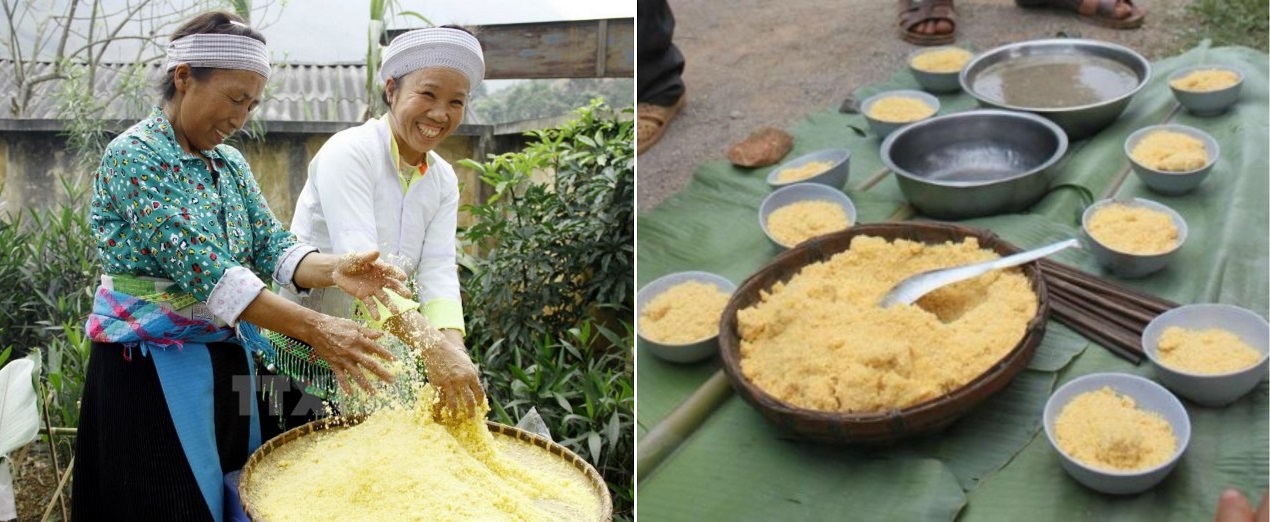
Mèn Mén (H'Mong Steamed Cornmeal)
Mèn mén is the cornerstone dish of H'Mong communities on Ha Giang's Dong Van plateau, made from local corn grown in rocky crevices. Through grinding, sifting, and double-steaming, it develops a naturally sweet, nutty fragrance. Recognised as one of Vietnam's Top 100 specialty dishes in 2021.
Cuisine→
Cuisine
2
Ha Giang
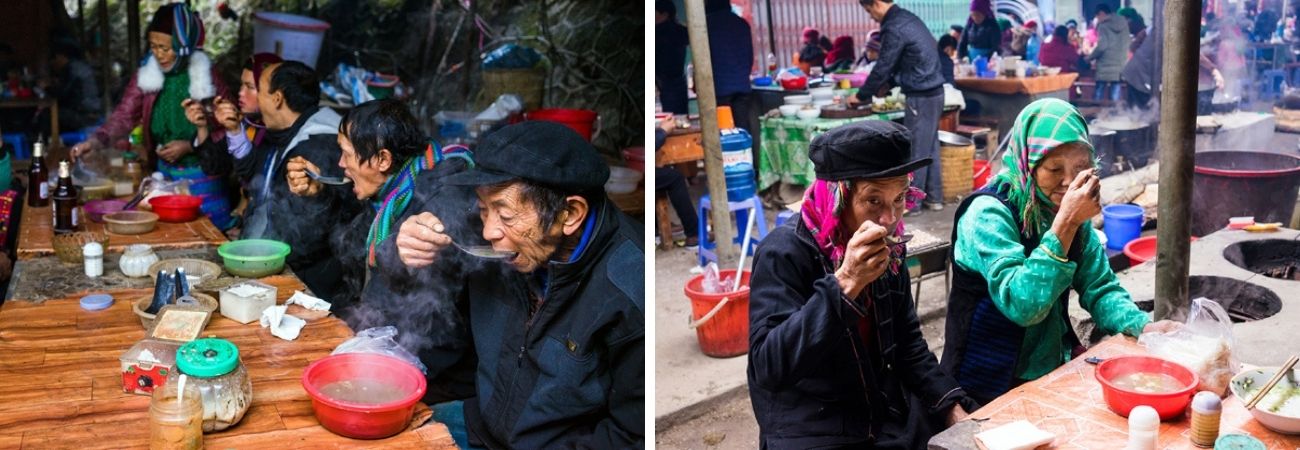
Thắng Cố (Highland Organ Stew)
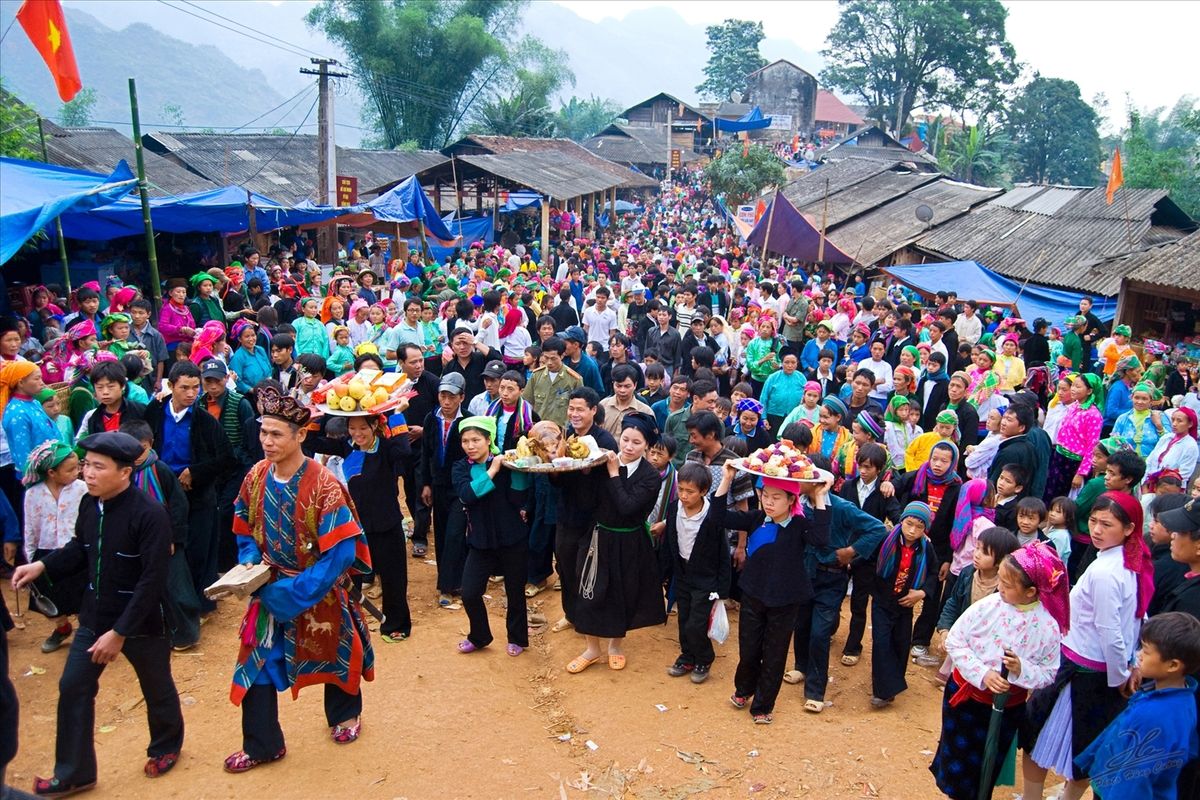
Thắng cố, meaning "pot of broth" in H'Mong, is a communal stew of horse, buffalo or beef offal simmered with 12 mountain aromatics including galangal, cinnamon, and cardamom. Once a ceremonial dish, it is now the defining centrepiece of Dong Van and Meo Vac weekly markets. Paired with mèn mén and corn wine on a cold highland evening, it is an unforgettable experience.
Cuisine→
Cuisine
3
Ha Giang
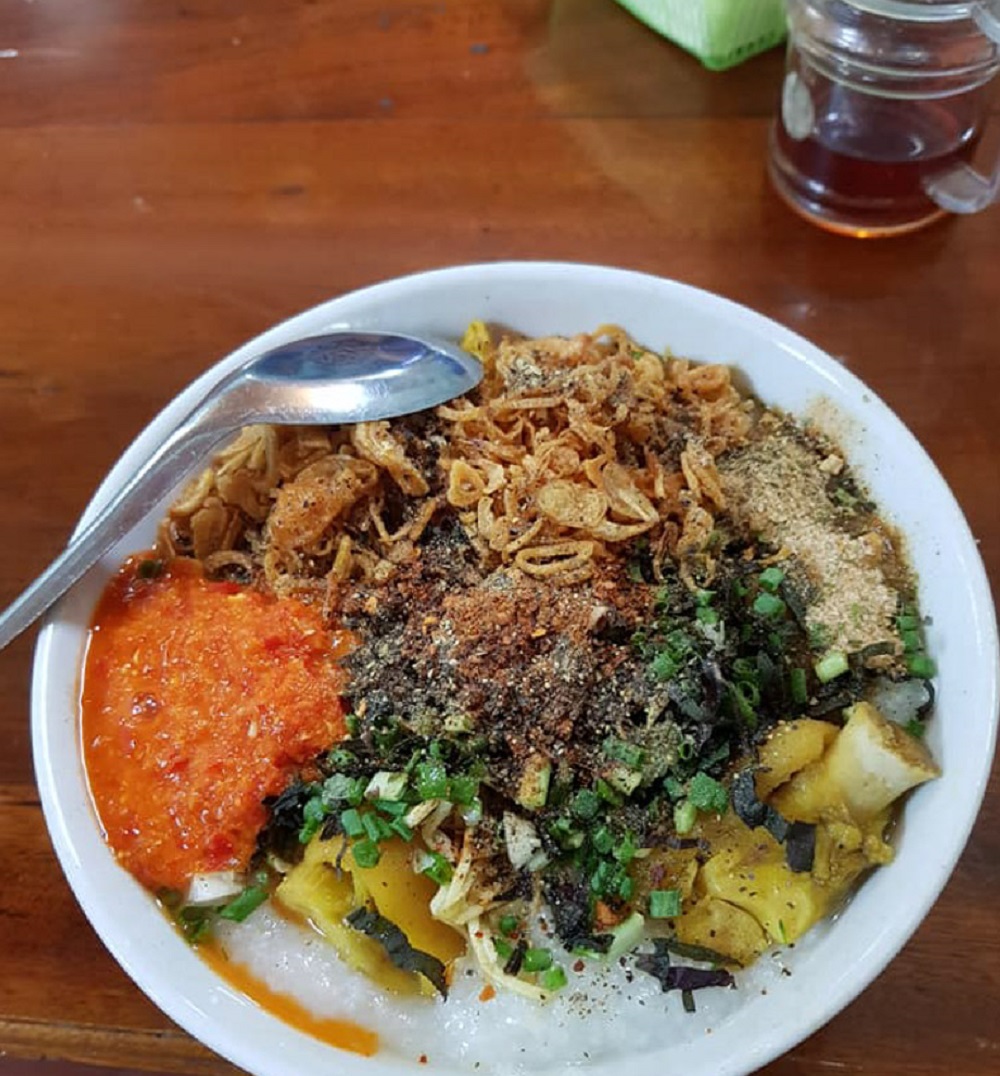
Cháo Ấu Tẩu (Medicinal Root Porridge)
Cháo ấu tẩu is brewed from a naturally toxic mountain root requiring overnight soaking in rice water and hours of simmering to neutralise. Combined with pork knuckle, two rice varieties, egg, and fresh herbs, it yields a subtly bitter, warming bowl. The legendary Quán Mộc Miên in Dong Van has served it since 1996.
Cuisine→
Cuisine
4
Ha Giang
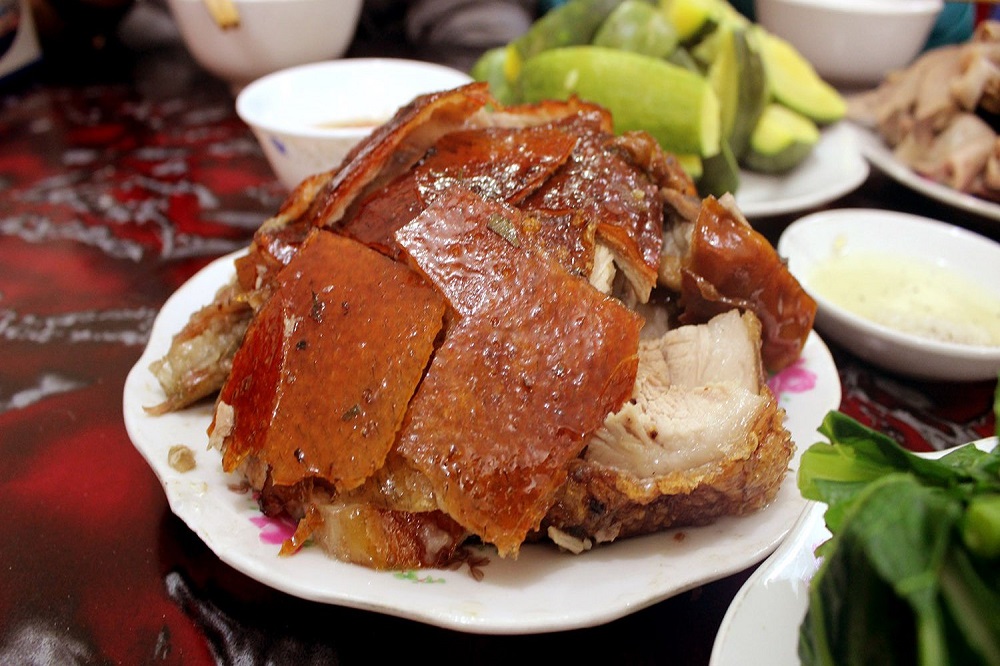
Armpit Pig (Free-Range Highland Pork)
The "armpit pig" — named for the practice of tucking it under the arm to carry to market — is a native miniature breed raised free-range on corn, cassava, and forest roots. The result is lean, sweet meat with crispy skin and minimal fat. Whole-roasted or ginger-steamed, it is the pride of highland market stalls in Dong Van and Meo Vac.
Cuisine→
Cuisine
5
Ha Giang
Tráng Kìm Phở
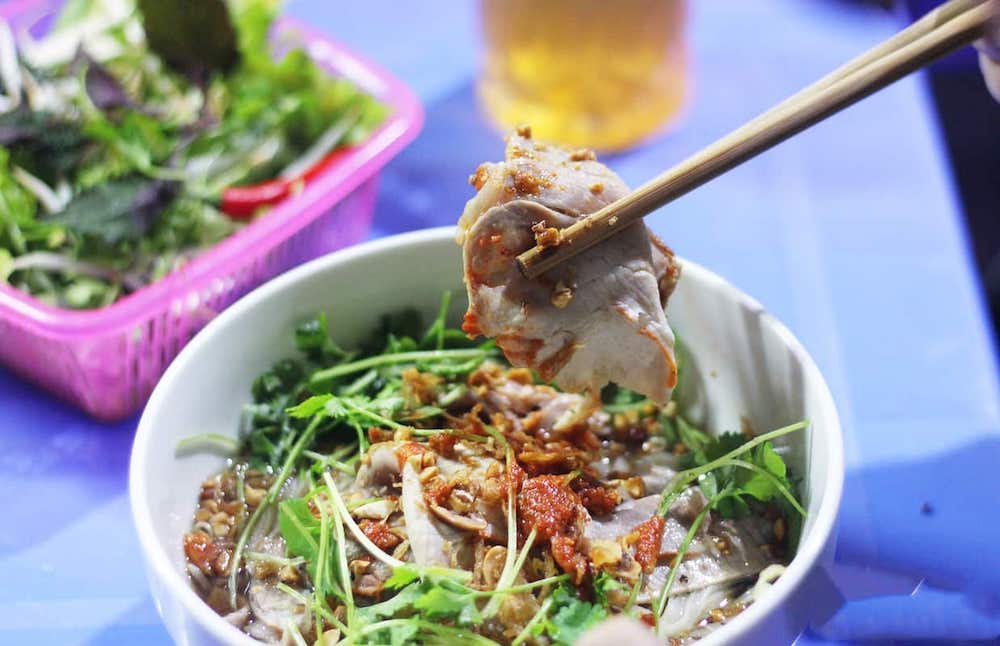
Phở Tráng Kìm hails from Dong Ha commune in Quan Ba district, where H'Mong women hand-grind rice, spread the batter on pans, and dry the cut noodles on bamboo racks above the hearth. The broth — beef bone, pork, and chicken simmered with cinnamon, star anise, and cardamom — carries a complexity no lowland kitchen can replicate. It has been the breakfast of highland market-goers for centuries.
Cuisine→
Cuisine
6
Ha Giang
Ha Giang Egg Rice Rolls
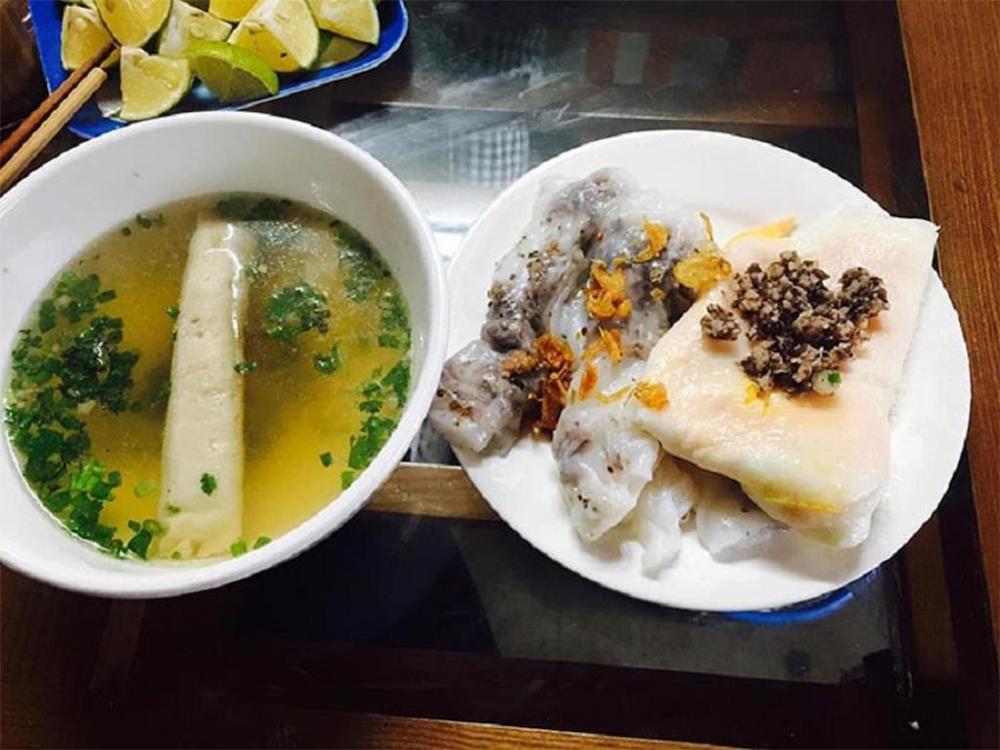
Ha Giang's bánh cuốn swaps the usual fish sauce dip for a hot pork bone broth — a warming adaptation to the cold mountain climate. The egg version cracks a fresh egg onto the rice sheet just before it sets, creating a silky lòng đào finish. Bánh cuốn bà Hà at 31 Phố Cổ, Dong Van — a three-generation family stall open since dawn — is the most celebrated address.
Cuisine→
Cuisine
7
Ha Giang
Thắng Dền (Highland Glutinous Dumplings)
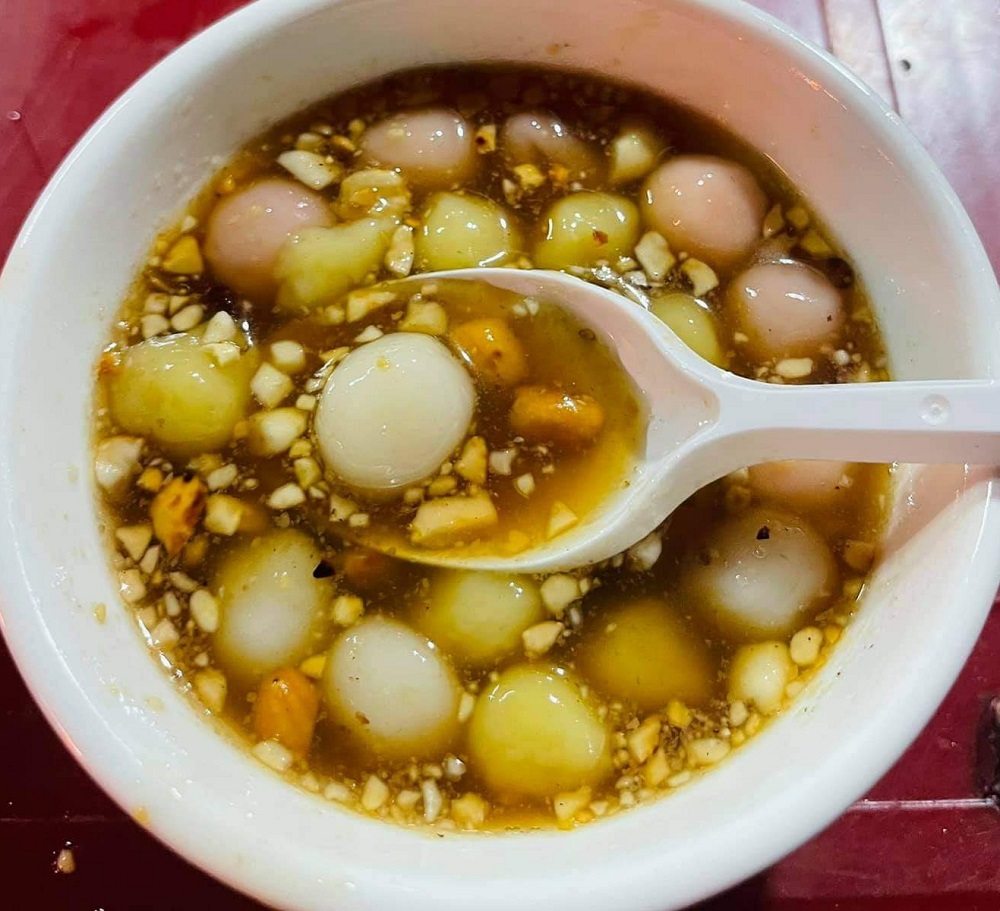
Thắng dền are smooth glutinous rice balls made from fragrant highland sticky rice, boiled until they float, then ladled into bowls of warm ginger-coconut syrup and finished with sesame and crushed peanut. Sold only when cold winds arrive, they are the defining snack of Dong Van's evening market scene — 5,000 to 10,000 đồng a bowl and worth every cent.
Cuisine→
Cuisine
8
Ha Giang
Five-Colour Sticky Rice
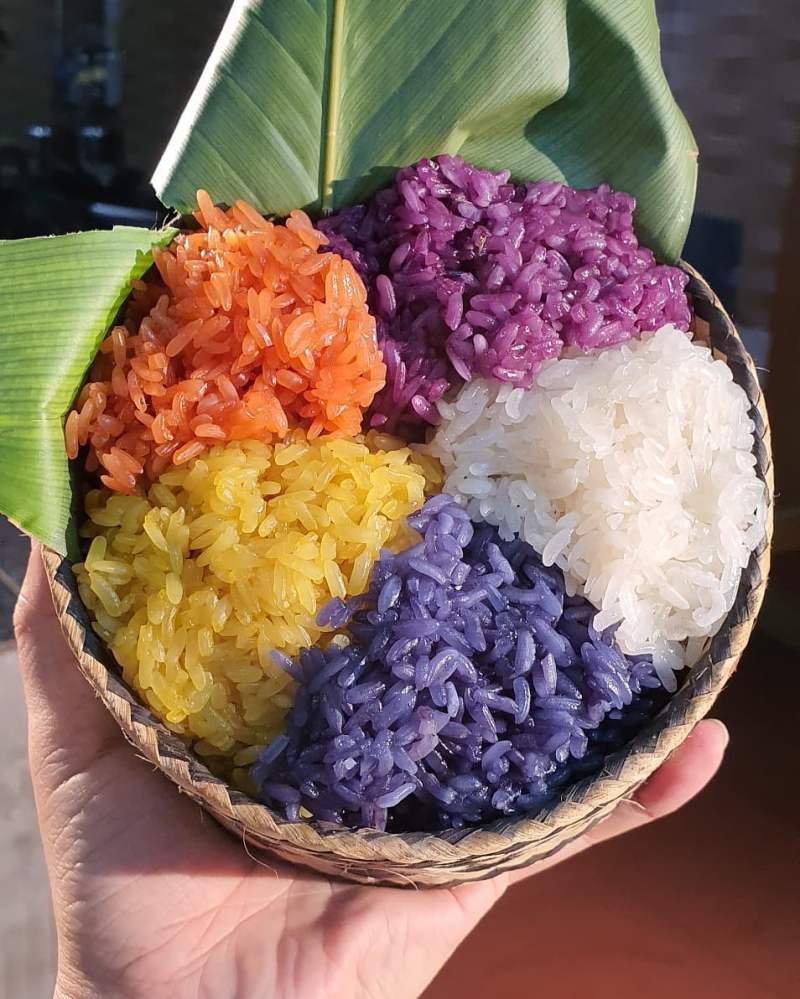
The five-colour sticky rice of Tày people in Ha Giang uses only natural plant dyes: red from gac fruit, purple from lá cẩm leaves, yellow from turmeric, green from pandan, and white from pure glutinous rice. Each colour represents one of the five philosophical elements and the dish is indispensable at Tết, weddings, and community festivals. It appears regularly at highland markets and cultural events.
Cuisine→
Cuisine
9
Ha Giang
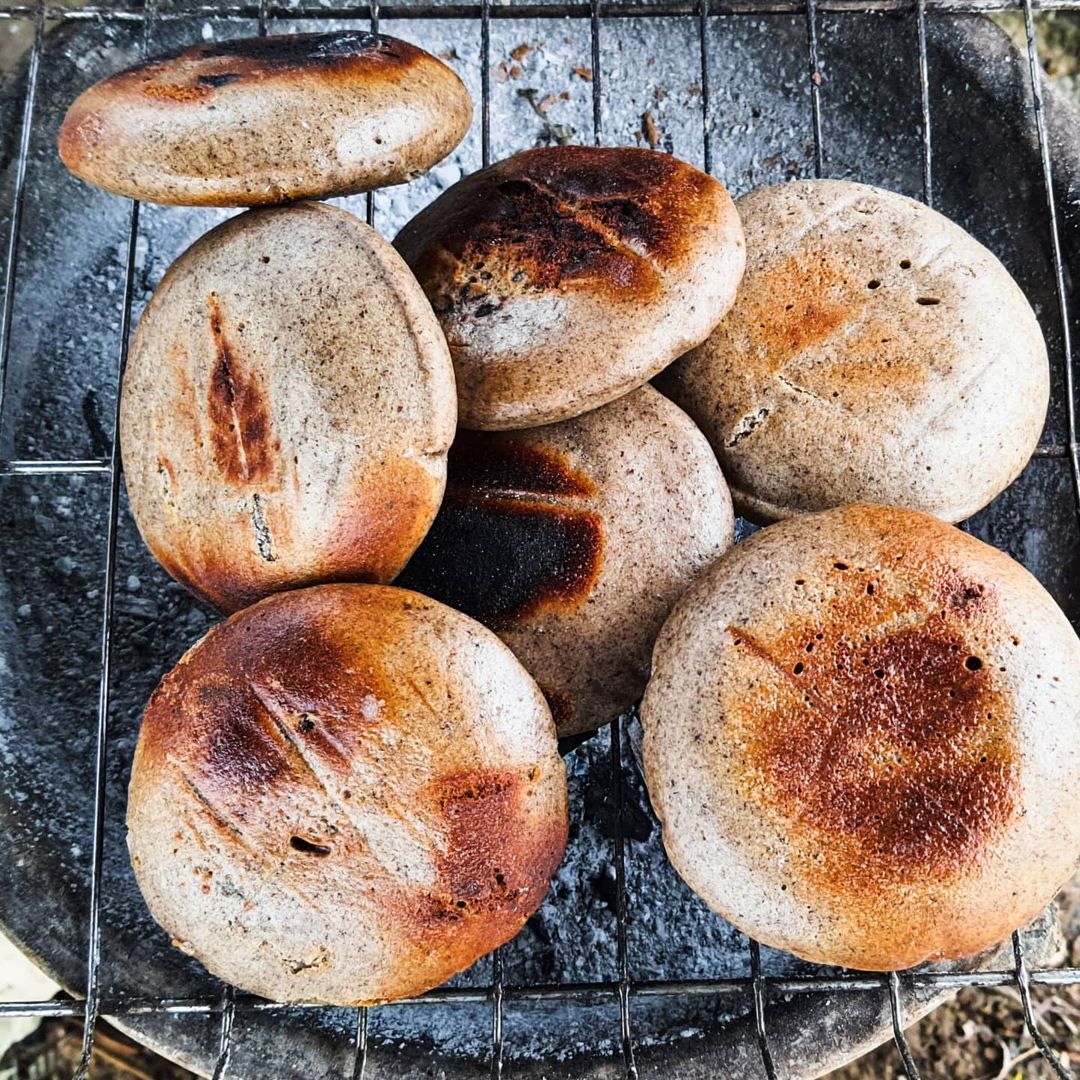
Buckwheat Cake
Buckwheat cakes are made from stone-ground buckwheat flour shaped into flat rounds, steamed then charcoal-grilled until lightly crisped, with a gentle nutty sweetness unique to highland-grown grain. The season of purple-pink buckwheat blossoms across the plateau (October–December) is when the cakes are most plentiful at Dong Van market. Increasingly rare due to the intensive hand labour required.
Cuisine→
Cuisine
10
Ha Giang
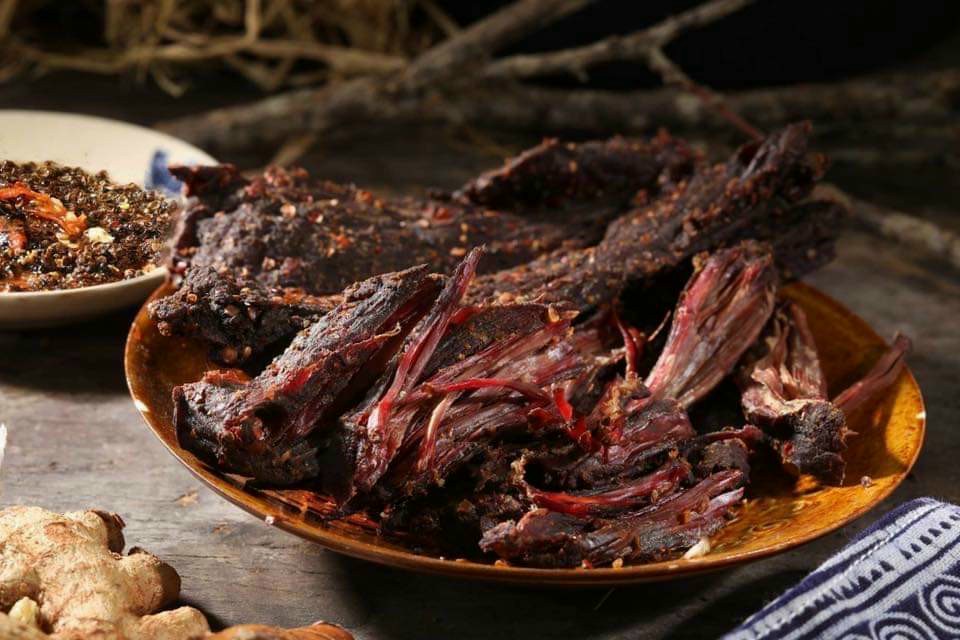
Ha Giang Kitchen-Loft Cured Meat
Ha Giang's gác bếp meat is pork belly or buffalo marinated in salt, cardamom, ginger, mắc khén pepper, and rice wine, then skewered and hung above the kitchen fire to smoke slowly for weeks. The gradual wood-smoke curing produces a deeply savoury, aromatic meat that serves both as winter food storage and as the most sought-after souvenir of the highland region.
Cuisine→