Information aggregated from multiple sources — please verify from official sources
Tiếng Việt
Municipality · Hue City

Hue CityNorth Central Coast.

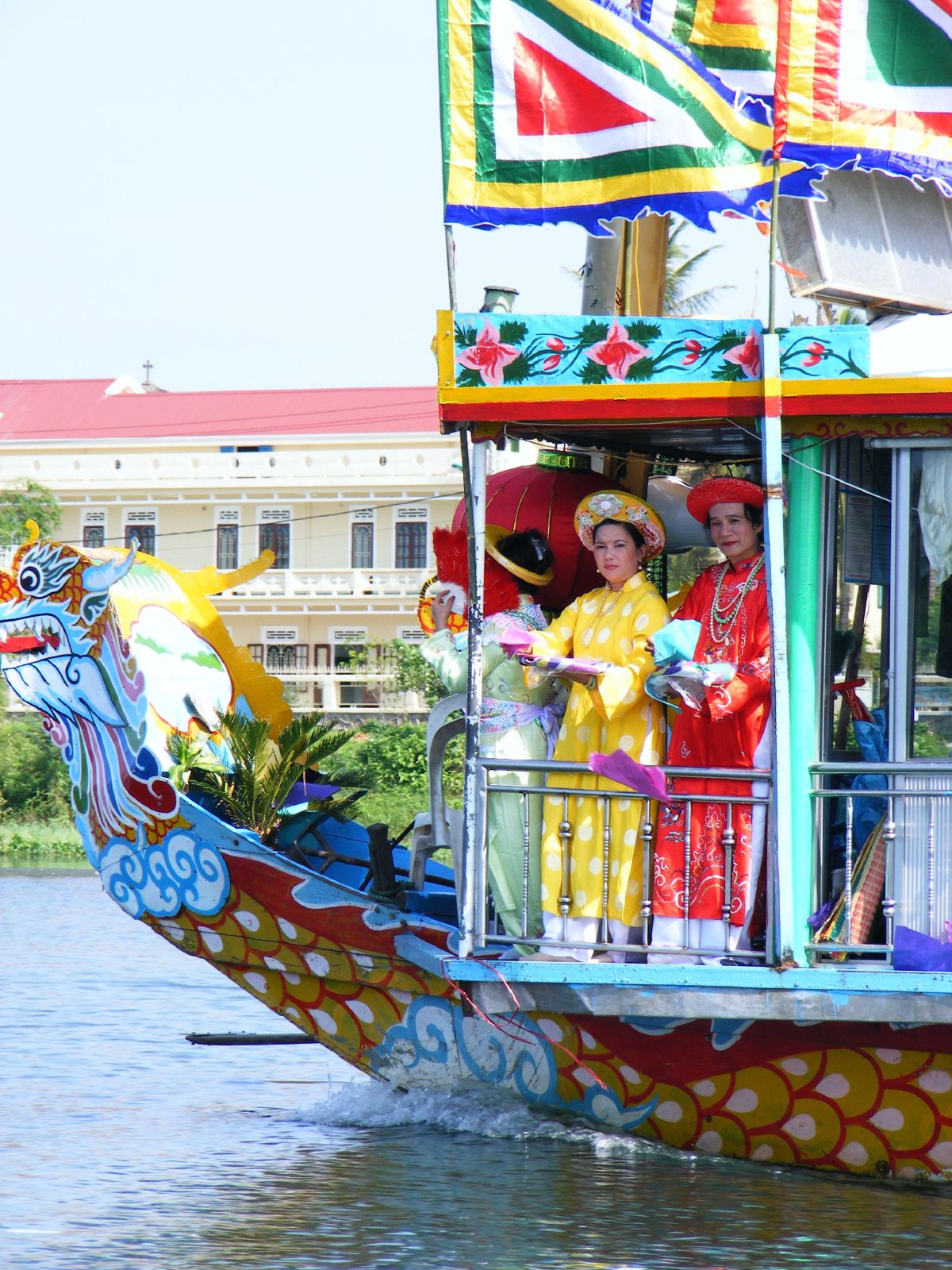
Explore Hue — the former imperial capital on the Perfume River, known for royal heritage, refined cuisine, and central Vietnam’s gentle rhythm.

0.6 triệu người
Population
265 km²
Area
7
Sourced events
19
Cultural posts
Culture

Flavours, spaces and rhythms of life.

Editor-curated lists — suggestions for first-time visitors.

01 · Cuisine

Top 10 cuisine not to miss.

10 postsUpdated 06/2026
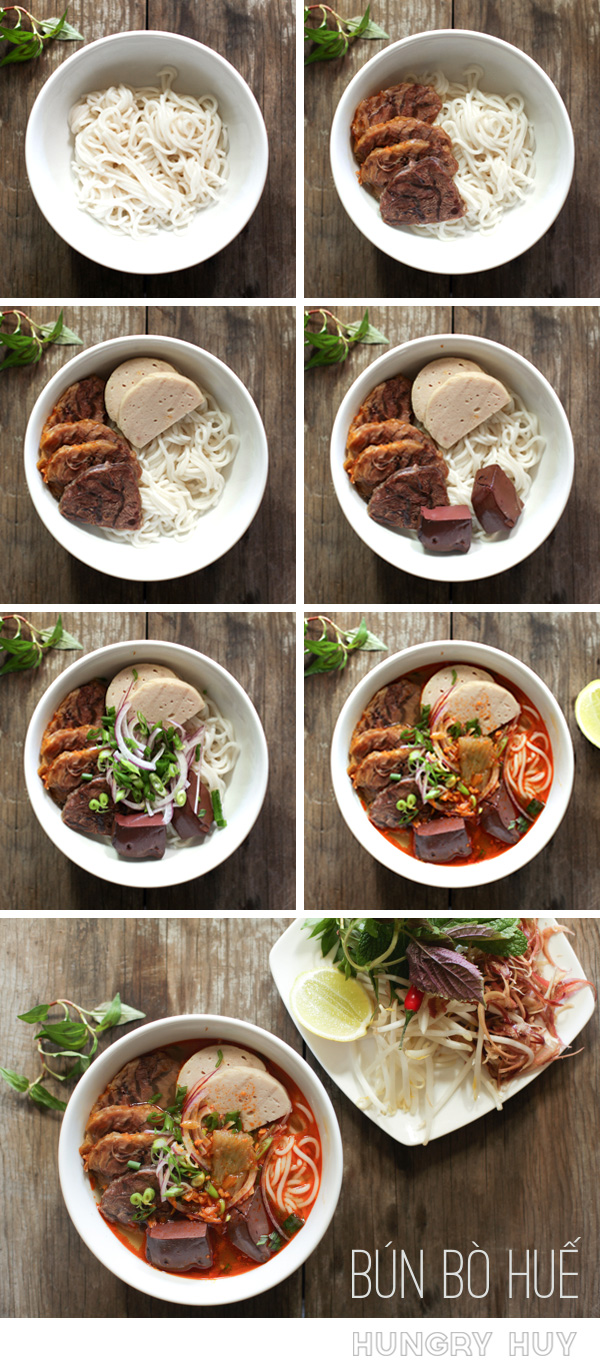
Bún bò Huế
1
National intangible heritage — the unrivalled lemongrass-shrimp paste broth

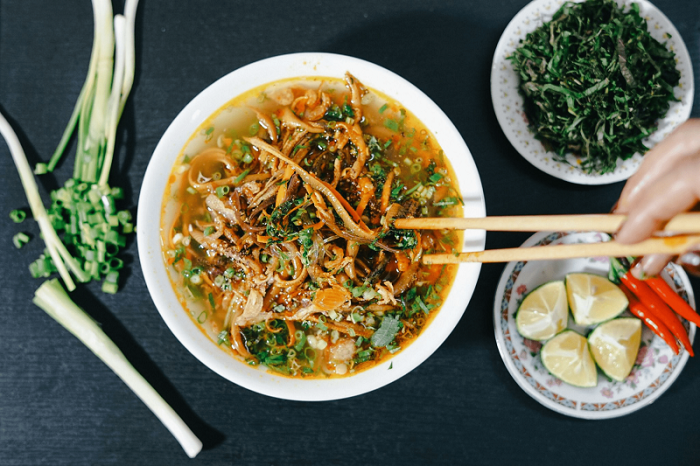
Hue beef noodle soup

Born in the 16th century in Vân Cù village, Hue beef noodle soup is the soul of the ancient capital — fragrant with lemongrass, deep with fermented shrimp paste, and fiery with chili. In July 2025, it was officially recognised as a national intangible cultural heritage.

Full article
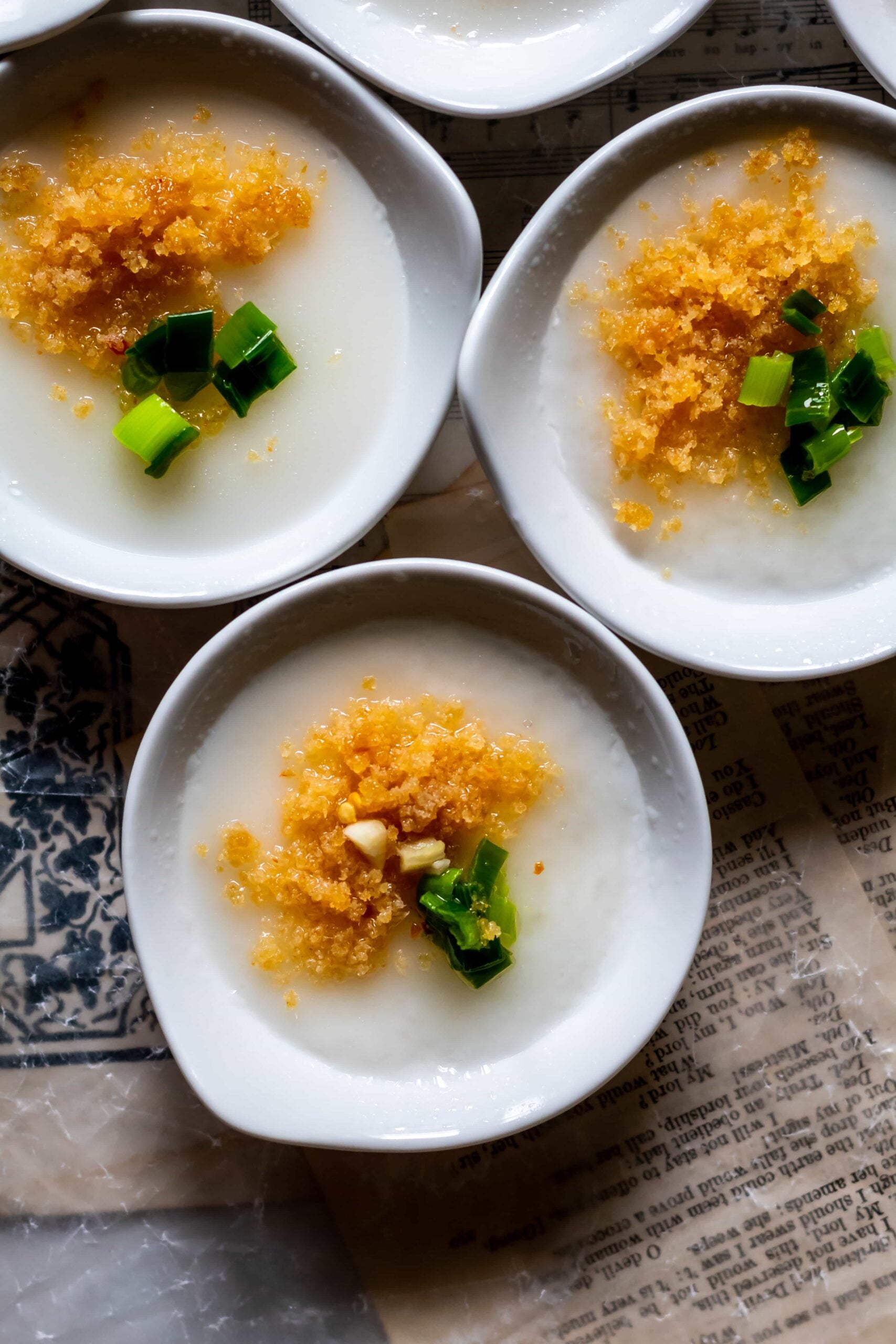
Bánh bèo
2
Hue's most refined snack — each tiny steamed cake in its own cup

Steamed rice-flour cup cakes

Bánh bèo chén is Hue's quintessential welcoming snack, embodying the city's refined "eat by fragrance" philosophy. Silky steamed rice-flour cakes topped with shrimp floss, crispy pork cracklings, and fried shallots, dipped in sweet-sour fish sauce — each tiny cup a miniature masterpiece.

Full article
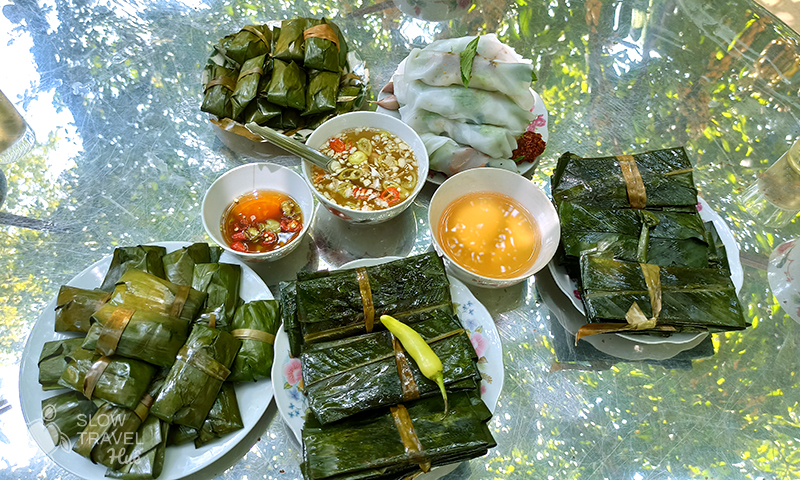
Bánh nậm
3
Banana-leaf wrapped, paper-thin white wrapper — the fragrance of the royal court

Steamed banana-leaf rice parcels

Bánh nậm showcases Hue's mastery of rice flour — a silky-thin wrapper enclosing fragrant shrimp and pork filling, steamed inside banana leaves. This elegant snack once graced Nguyen royal banquets.

Full article
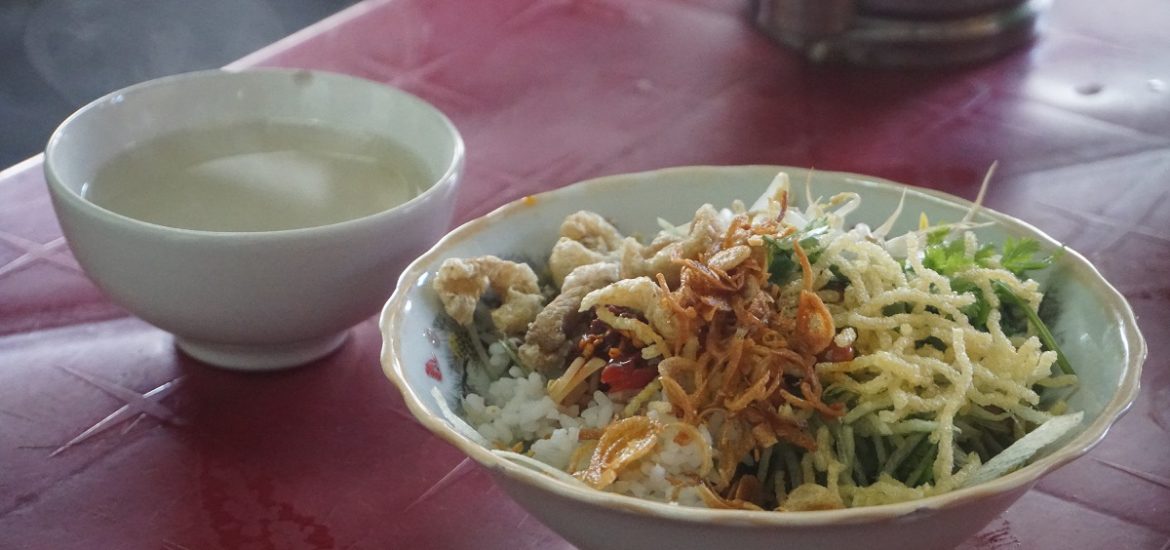
Cơm hến
4
Cold rice + Hen Islet clams + 10+ herbs — even Emperor Thanh Thai was a fan

Clam rice

Cơm hến was born from Hue's zero-waste philosophy — overnight cold rice mixed with stir-fried clams from the Huong River's Hen Islet, topped with fresh herbs, pork cracklings, roasted peanuts, and fermented shrimp paste. Emperor Thanh Thai once had Hen Islet clams served at court.

Full article
Bánh khoái
5
Crispy, dipped in a secret sauce — named by Lonely Planet

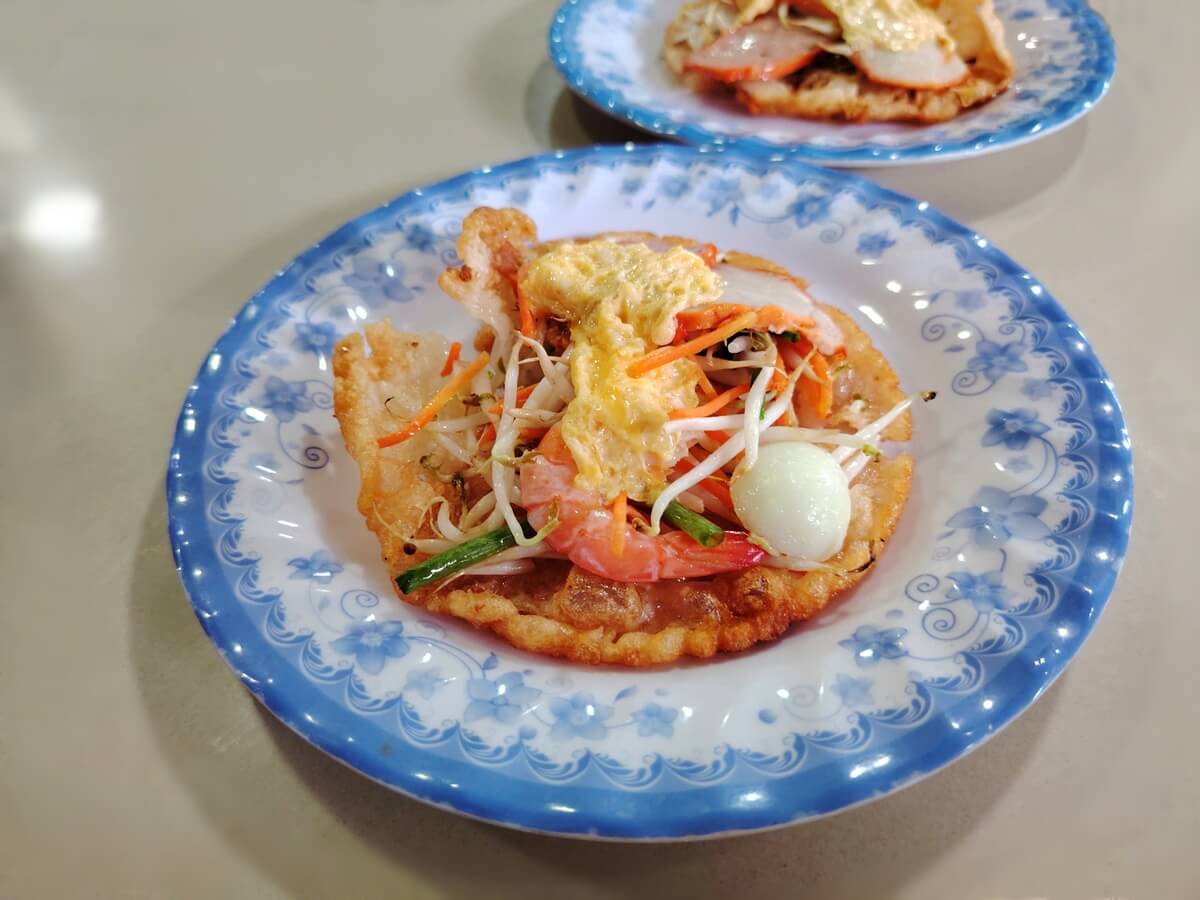
Hue crispy pancake

Smaller but thicker and crispier than its southern cousin bánh xèo, bánh khoái is pan-fried individually in cast-iron moulds. Its soul lies in the secret nước lèo dipping sauce — a thick blend of liver, pork, sesame, and peanuts — a guarded family recipe.

Full article
Chè Huế
6
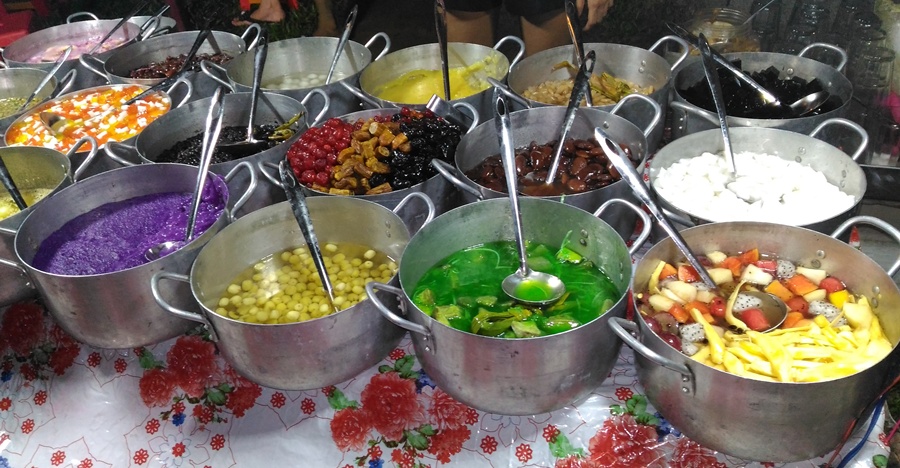
36 royal court varieties — from Tinh Tam lotus seeds to roasted-pork tapioca cake

Hue sweet soups

Hue boasts 36 royal varieties and hundreds of folk sweet soups — from lotus-seed chè made with emperor-grade seeds from Tinh Tam Lake, to the unique tapioca-and-roasted-pork dessert, to young-corn chè from Hen Islet. Hue's cuisine ranked 28th globally on Taste Atlas's best food cities list in 2023.

Full article
Mè xửng Huế
7
Royal confectionery speciality — crisp, sesame-fragrant, never sticky

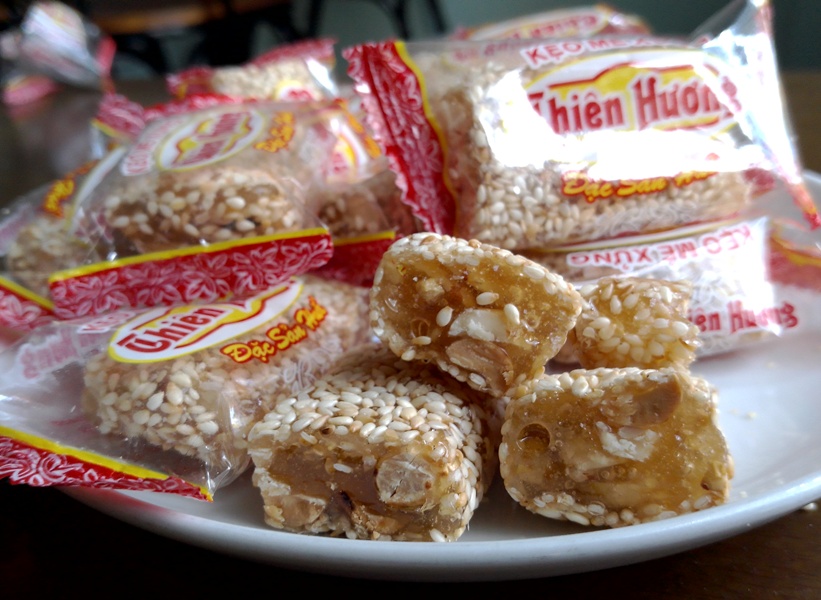
Hue Sesame Candy (Me Xuong)

Me xuong is Hue's most distinctive confectionery — an ivory-white candy bar made from sugar, molasses, glutinous rice flour, and toasted white sesame, with a texture that is simultaneously crisp and airy, dissolving on the tongue without sticking to teeth. The mandatory souvenir of every Hue visitor, produced by family workshops using Nguyen-era recipes.

Full article
Cháo lươn Huế
8
Piping hot congee with lemongrass-chili stir-fried eel — Hue's special morning dish

Hue Eel Congee

Hue eel congee is a deceptively simple but refined breakfast dish — fresh field eel cleaned, stir-fried golden with lemongrass and chili, then placed over a thick, ginger-fragrant white congee. The eel's natural sweetness fuses with the warmth of lemongrass and ginger in a comforting bowl that is a Hue morning staple, especially on cool days.

Full article
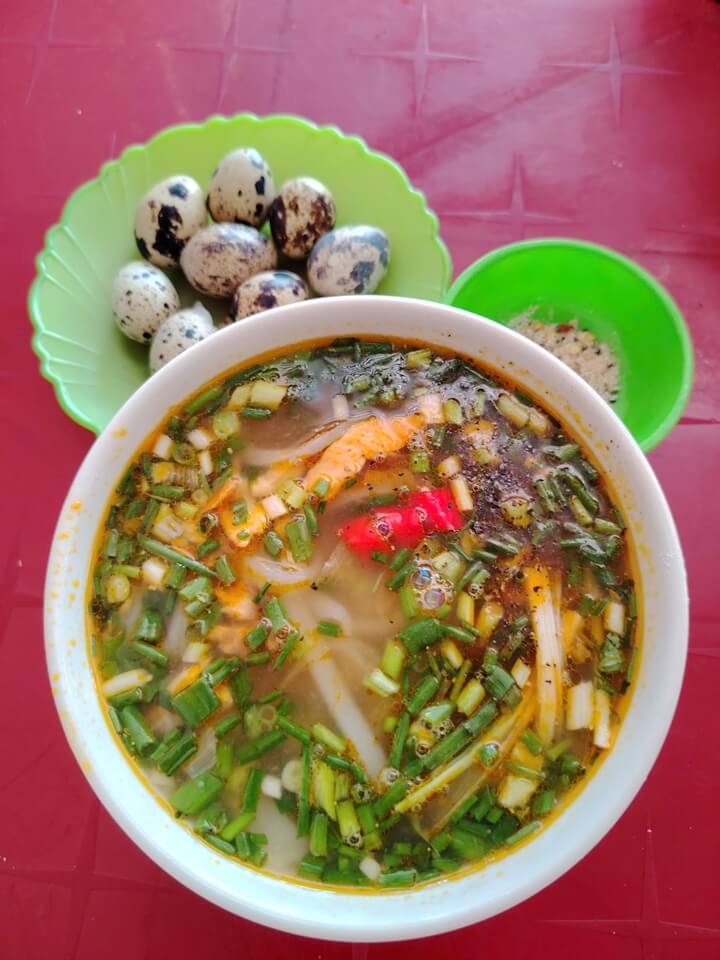
Bánh canh cá lóc Huế
9
Fresh thick noodles, sweet wild snakehead fish — crystal-clear broth with no MSG

Hue Snakehead Fish Thick Noodle Soup

Banh canh ca loc is the second most beloved breakfast noodle after bun bo Hue — thick, fresh-made rice or tapioca noodles in a crystal-clear broth simmered from field snakehead fish and bones, topped with golden-fried fish slices, fried shallots, and pepper. Stalls open at 6am and routinely sell out before 9am.

Full article
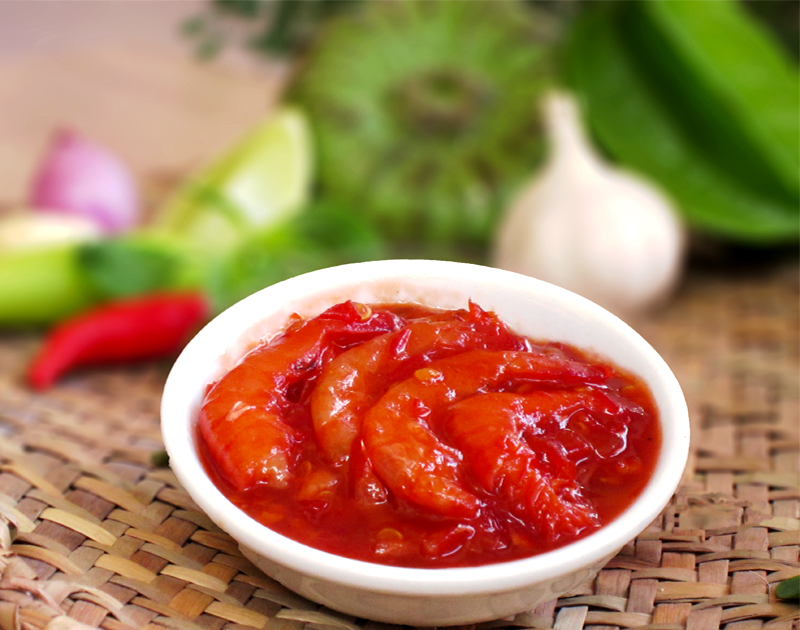
Tôm chua Huế
10
Shrimp fermented 5–7 days with toasted rice powder, garlic, chili — a uniquely Hue speciality

Hue Fermented Shrimp

Hue fermented shrimp is the ancient capital's finest feat of fermentation — fresh river shrimp marinated with toasted rice powder (thinh), garlic, chili, sugar, and salt in sealed ceramic jars for 5 to 7 days until pleasantly sour, naturally sweet, and a vivid pink-red. Eaten alongside blanched pork belly, baguette, or steamed rice — the unique sweet-sour balance makes it Hue's most irreplicable and unforgettable speciality.

Full article
02 · Places

Top 6 places not to miss.

6 postsUpdated 06/2026
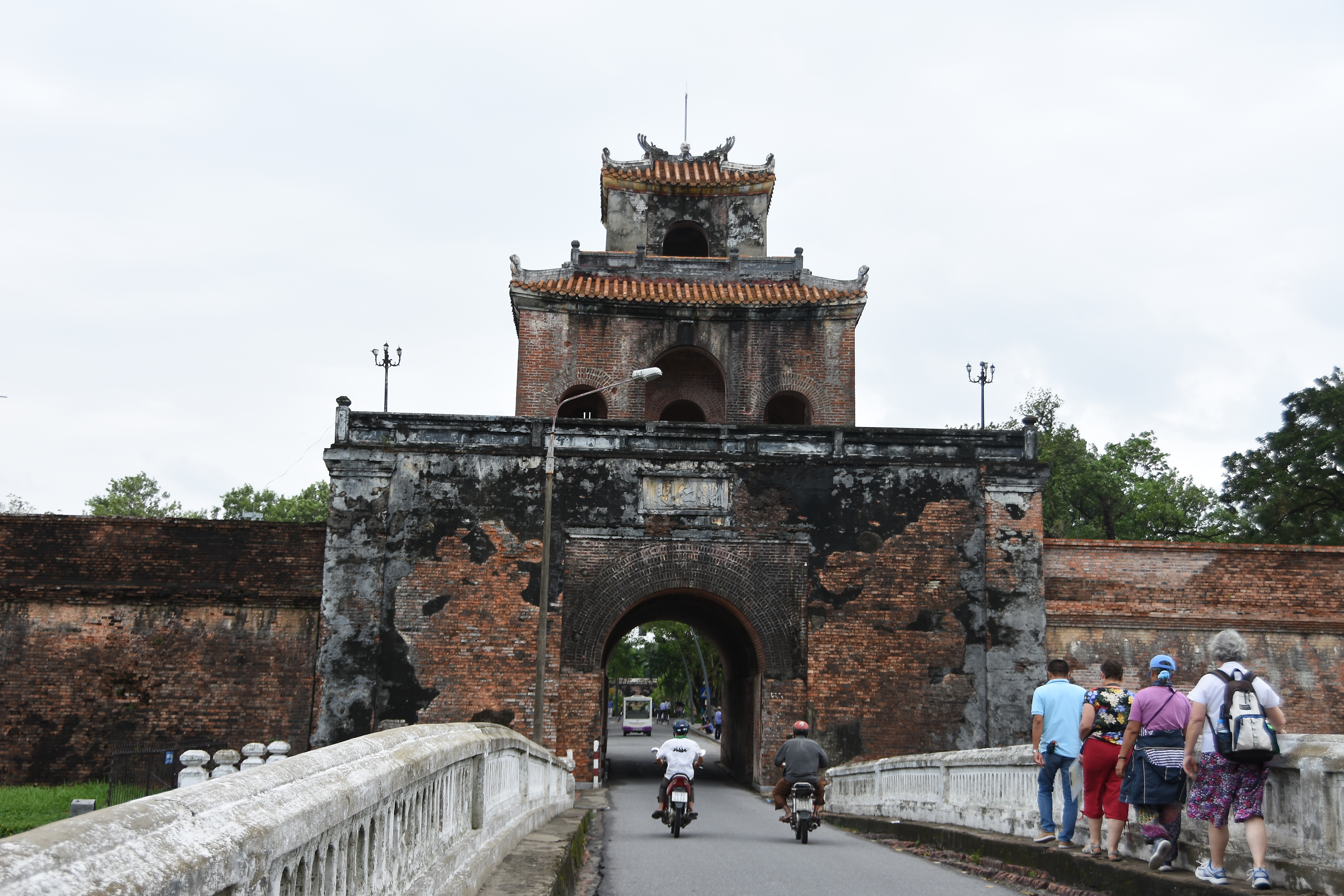
Đại Nội Huế
1
UNESCO World Heritage 1993 — 143 years as capital of 13 Nguyen emperors

Hue Imperial Citadel

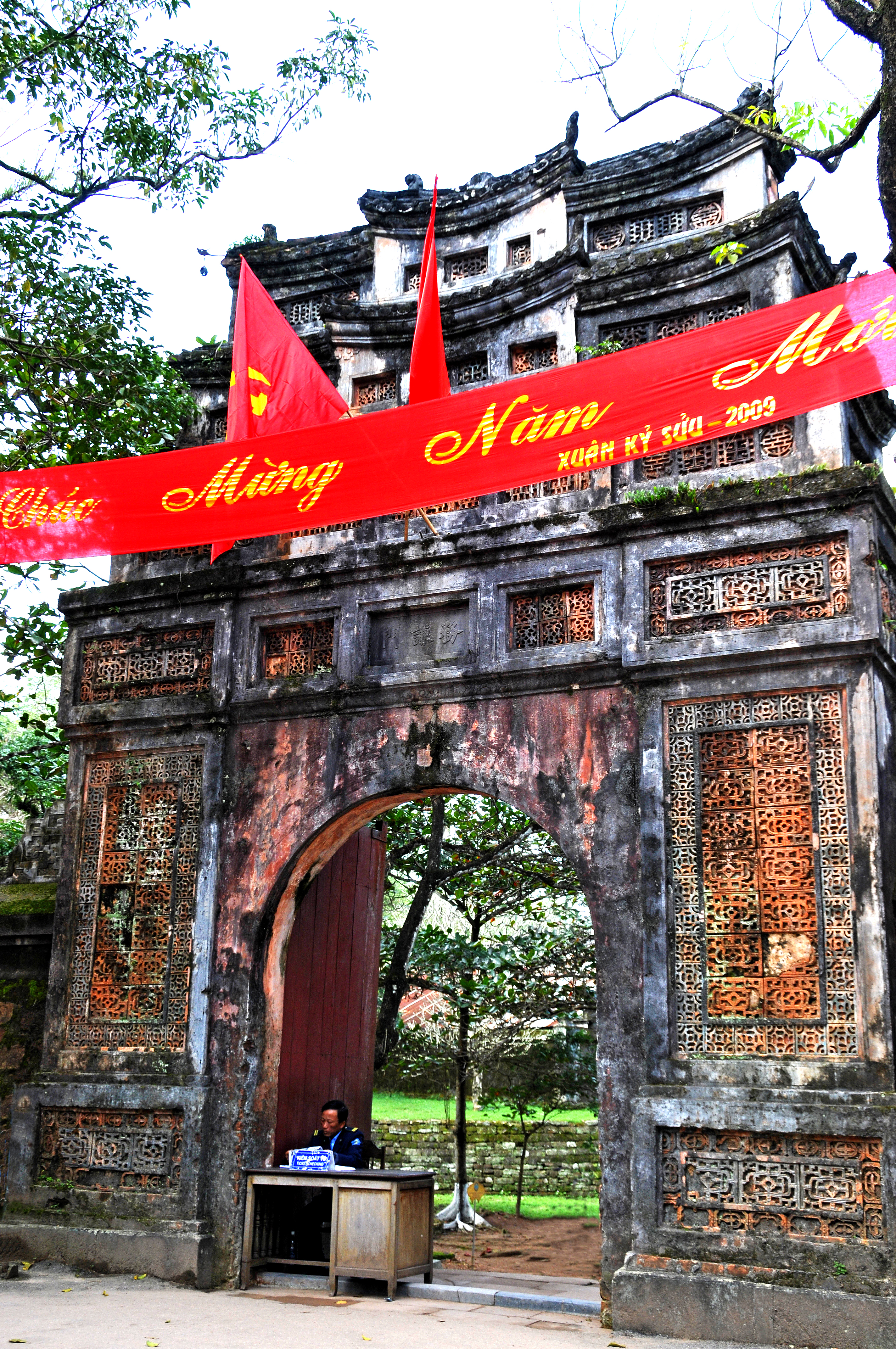
The Hue Imperial Citadel is the heart of the Hue Monuments Complex, recognised by UNESCO in 1993. Construction began under Emperor Gia Long in 1805 and was completed under Minh Mang in 1832 — seat of 13 Nguyen emperors across 143 years.

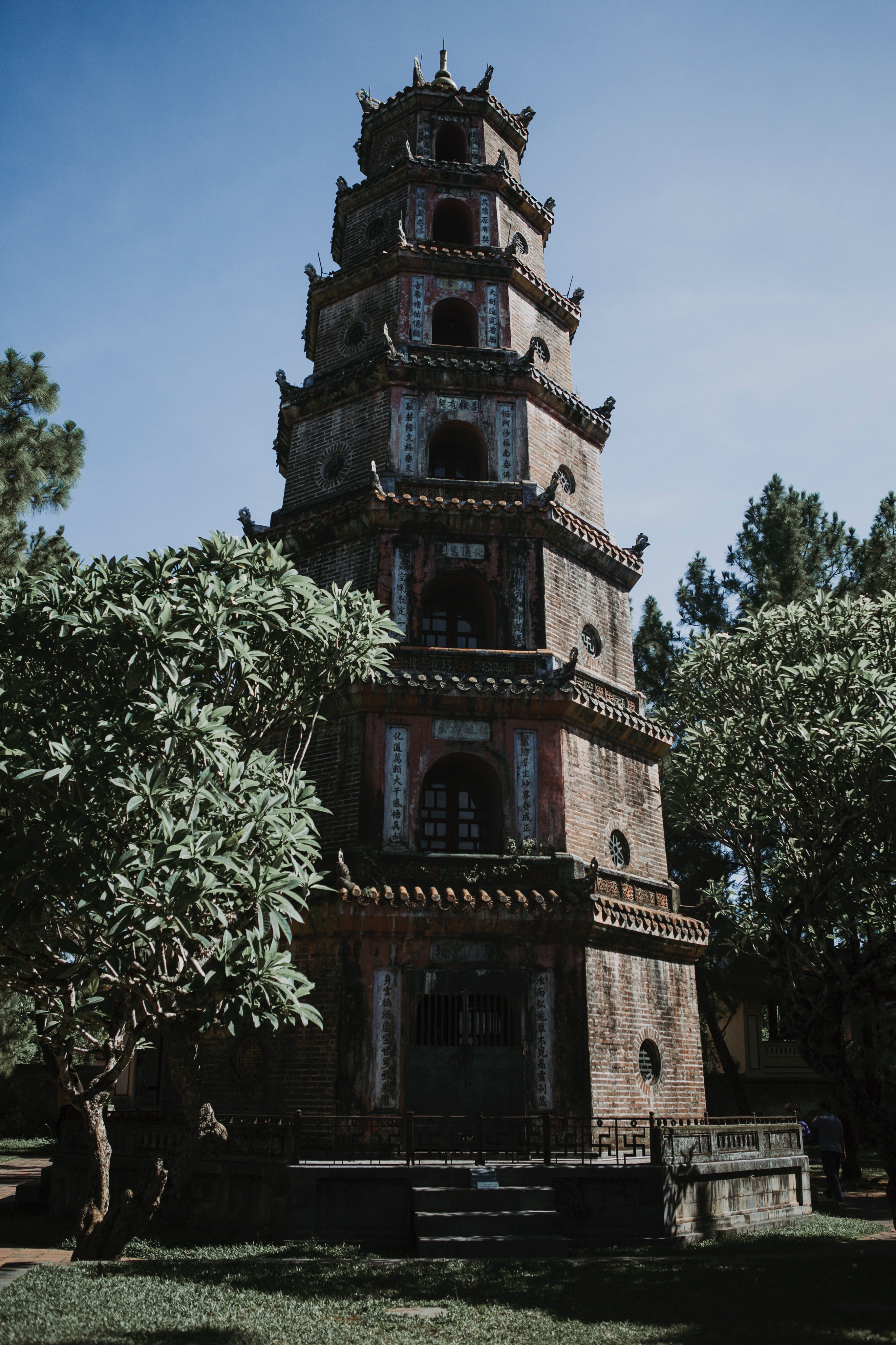
Chùa Thiên Mụ
2
Hue's oldest pagoda — the 7-story Phuoc Duyen tower reflected in the Perfume River

Thien Mu Pagoda

Founded by Lord Nguyen Hoang in 1601 on Hà Khê Hill, Thien Mu Pagoda is Hue's oldest temple. The seven-story Phuoc Duyen Tower — built in 1844 under Emperor Thieu Tri, standing 21m — is reflected in the Huong River below.

Lăng Khải Định
3
The only East-West fusion among the Nguyen royal tombs — 11 years, reinforced concrete

Khai Dinh Mausoleum

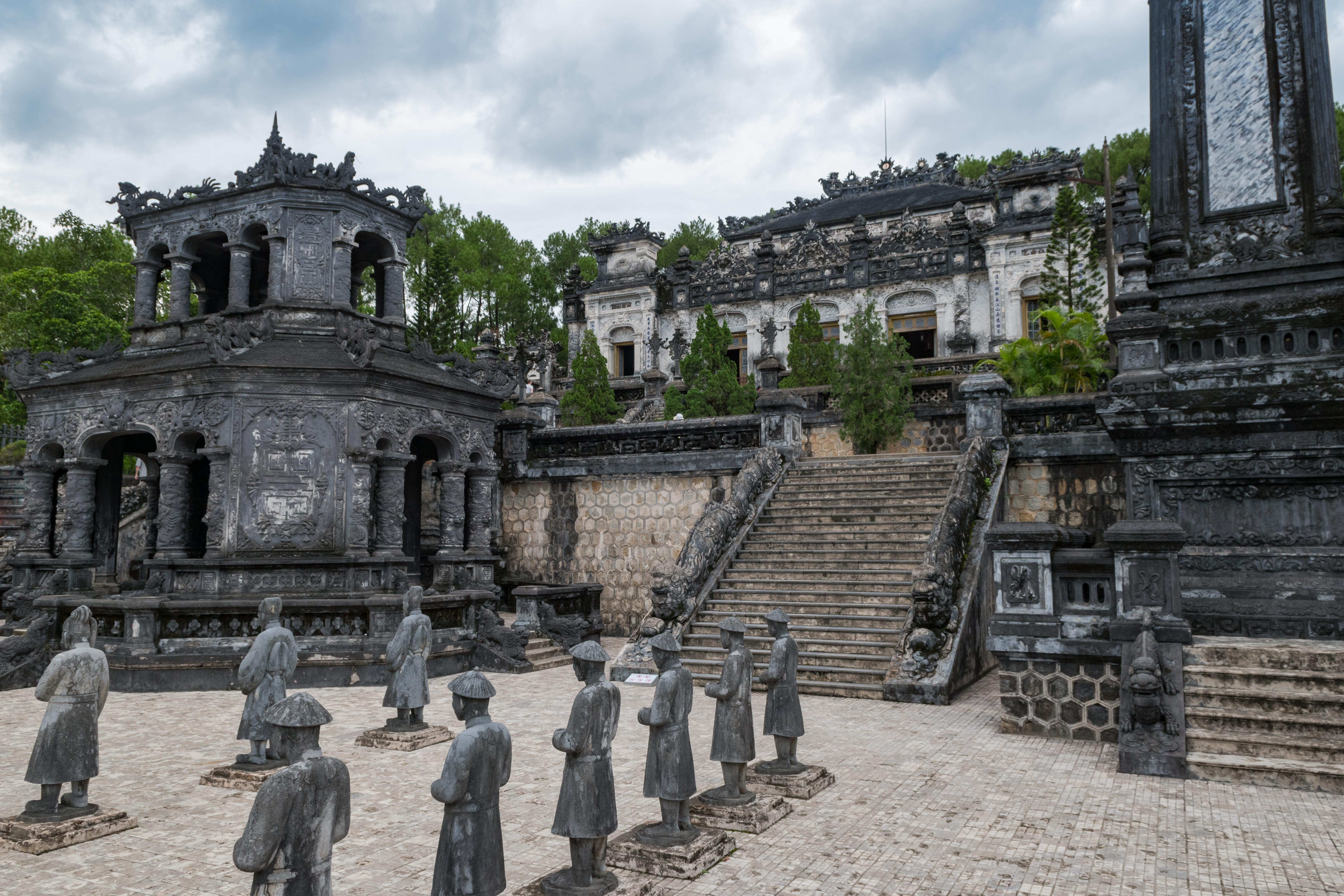
Khai Dinh Mausoleum is the most architecturally eclectic of the Nguyen tombs — blending Buddhist, Gothic, Roman, and Hindu motifs in reinforced concrete imported from France. Built between 1920 and 1931.

Sông Hương
4
The ancient capital's poetic river — inspiration of Hoang Phu Ngoc Tuong

Perfume River

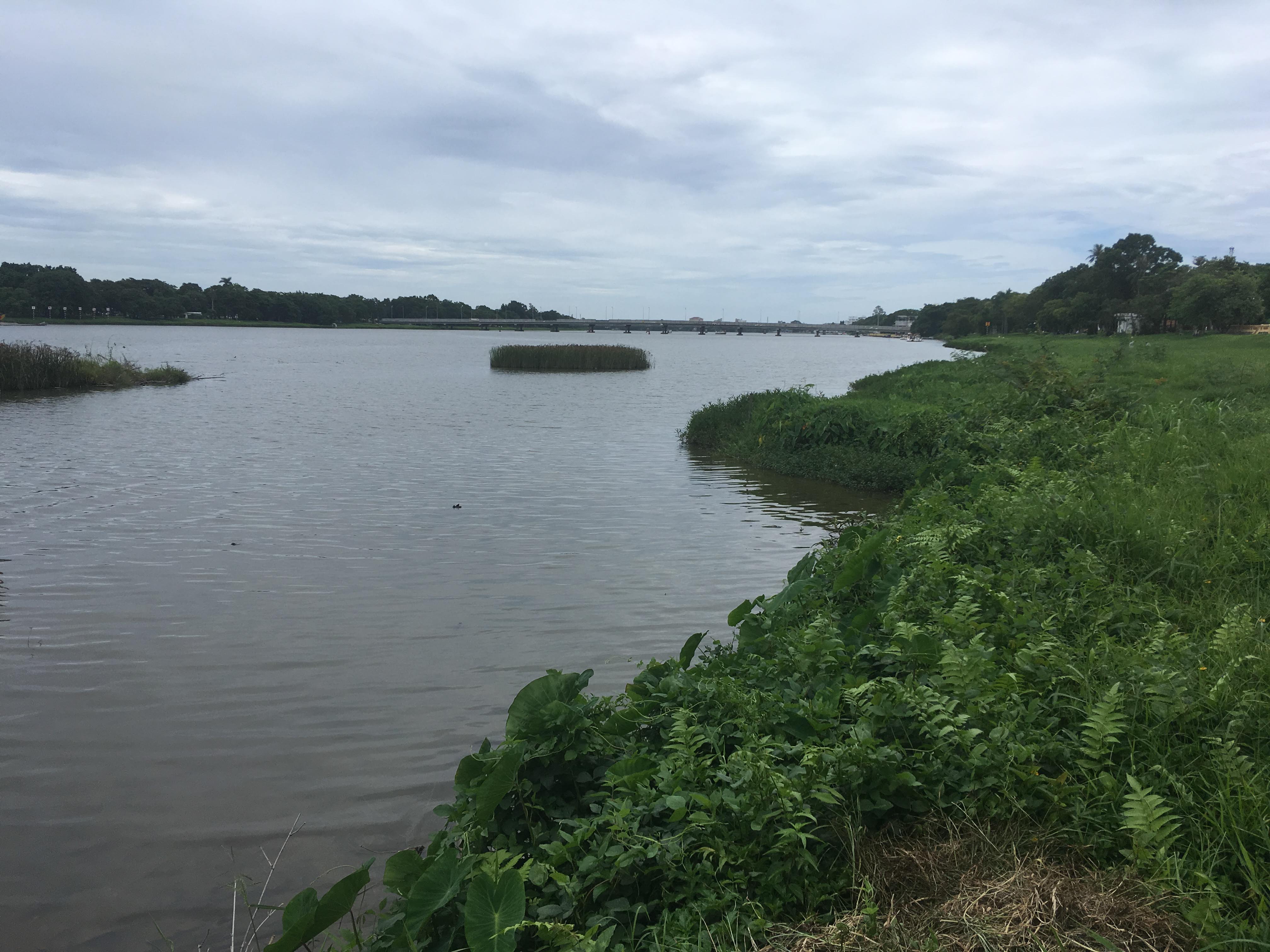
The Huong River — named for the fragrant herb growing along its banks — is Hue's living soul, a historic witness from the Cham era through the Nguyen dynasty. Literary giant Hoang Phu Ngoc Tuong called it "the river of poems and wars."

Lăng Tự Đức
5
Hue's most beautiful mausoleum — designed by the poet-emperor himself, lotus lake, pavilions among pines

Tu Duc Mausoleum

Tu Duc Mausoleum is considered the most beautiful of the Nguyen royal tombs, personally designed by Emperor Tu Duc — a poet and scholar — and completed in 1867. The 12-hectare complex contains more than 50 structures surrounding Luu Khiem Lake blanketed in lotus flowers, set within an ancient pine forest. It served as the emperor's personal retreat during his lifetime and his burial place after death, creating a poetic serenity unlike any other Vietnamese royal monument.

Chợ Đông Ba
6
The 130-year-old market — the commercial and culinary heart of the ancient capital

Dong Ba Market

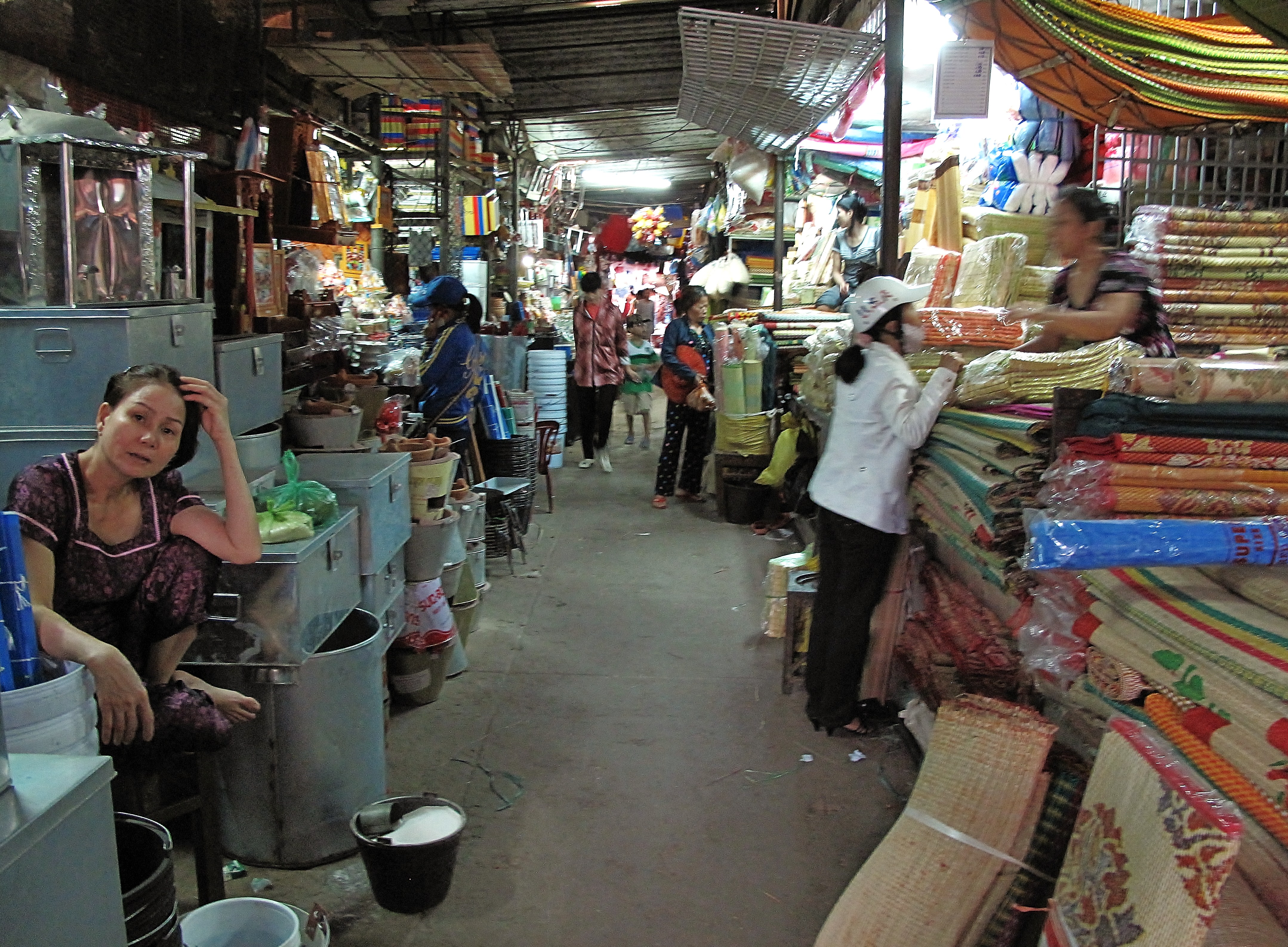
Dong Ba Market, established in 1899 under Emperor Thanh Thai, is Hue's largest and most vibrant market, situated on the northern bank of the Huong River next to Truong Tien Bridge. For over 130 years it has been the city's central hub for local specialities — sesame candy, fermented shrimp, Hue cakes, conical hats — as well as the daily gathering place for breakfast, trade, and community life, reflecting the genuine pulse of the ancient capital.

03 · Festivals

Top 1 festivals not to miss.

1 postsUpdated 06/2026
1
The most solemn heaven-worship ritual of the Nguyen dynasty — revived at the 1806 Nam Giao Esplanade

Nam Giao Esplanade Ritual (Royal Heaven-Worship Ceremony)

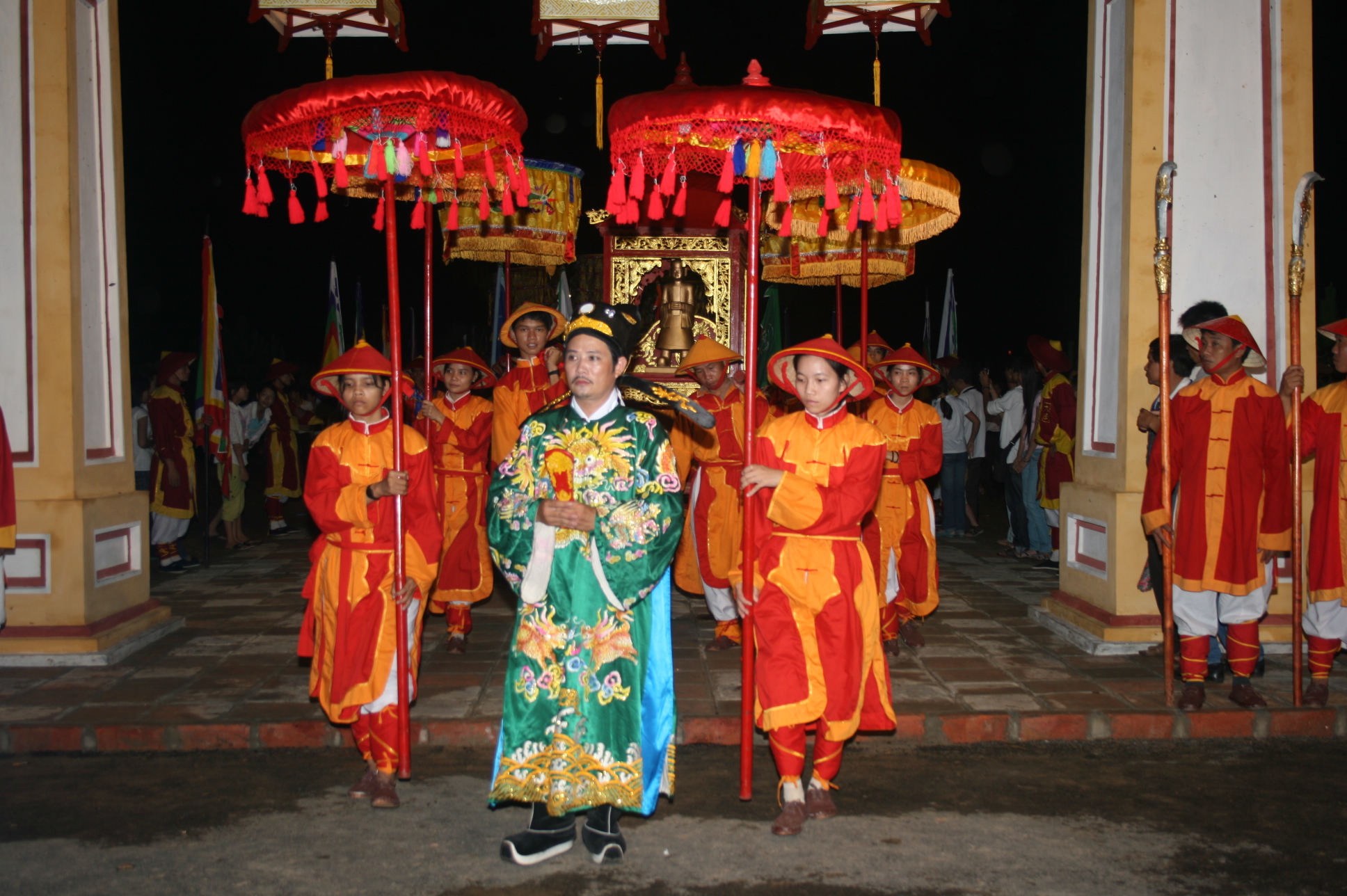
The Nam Giao Esplanade Ritual was the Nguyen dynasty's most solemn heaven-worship ceremony, periodically revived at the Nam Giao Esplanade — a unique spiritual complex built under Emperor Gia Long in 1806. The painstakingly reconstructed ceremony follows authentic Nguyen court protocols, with a procession of hundreds in imperial court dress, royal court music, and court dance, attracting tens of thousands of spectators.

04 · Customs

Top 2 customs not to miss.

2 postsUpdated 06/2026
1
UNESCO intangible heritage 2003 — 42 instruments, 500 years of court history

Customs and Intangible Heritage: Nha Nhac and Hue Ao Dai

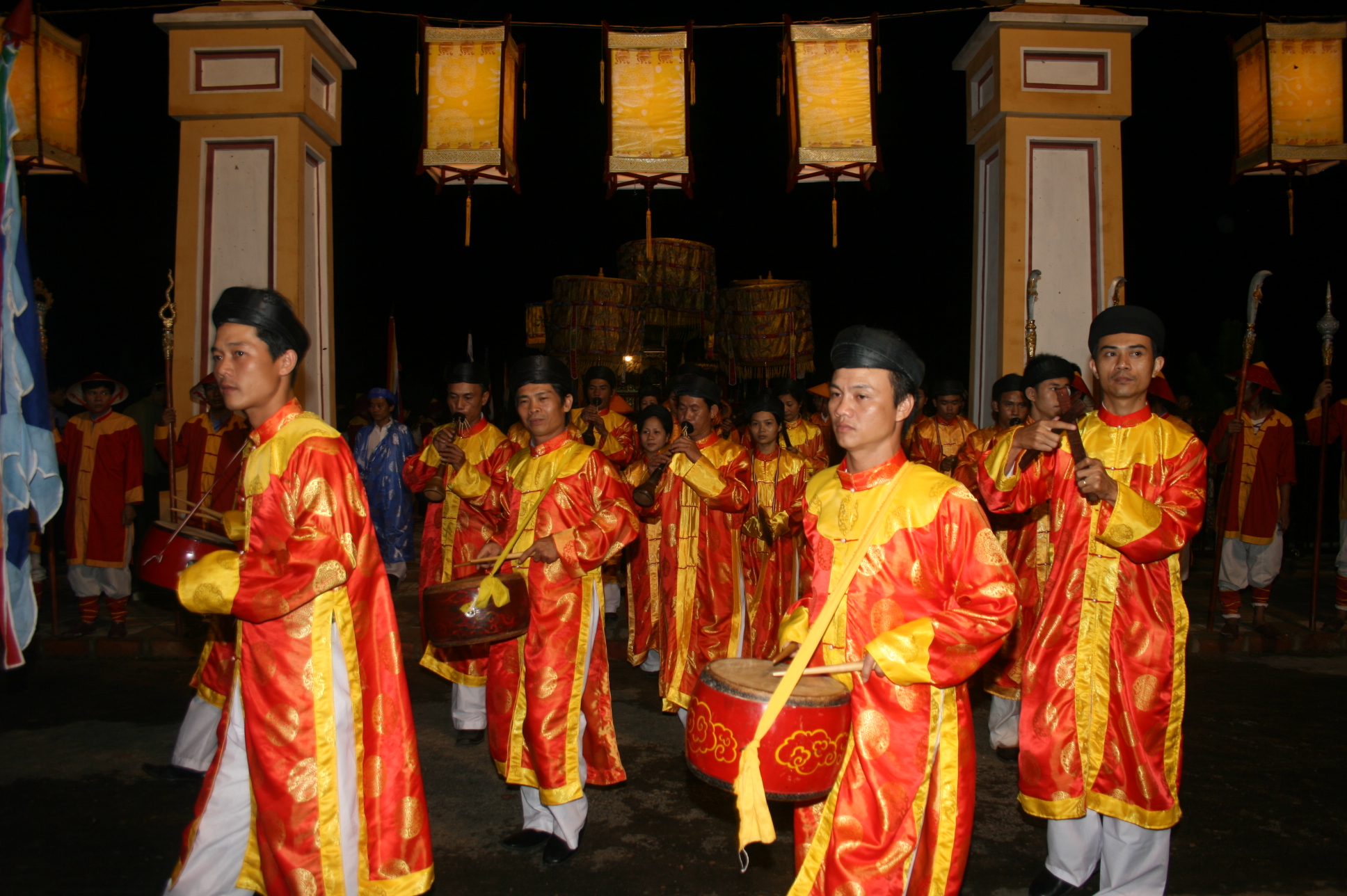
Hue Royal Court Music is the pinnacle of Vietnam's classical musical tradition, refined from the Ly and Tran periods to its zenith under the Nguyen. On 7 November 2003, UNESCO proclaimed it a "Masterpiece of the Oral and Intangible Heritage of Humanity" — Vietnam's first such recognition. The grand ensemble employs 42 instruments performed at major court ceremonies and state rituals.

2
50 dishes per meal, 5 mandatory colours — Vietnam's most refined culinary art

Hue Royal Court Cuisine Tradition

Hue royal court cuisine represents the apex of Vietnamese culinary art — each imperial meal (ngu thien) required at minimum 50 dishes, arranged by the principles of five colours (red, yellow, white, green, black), five flavours (sour, spicy, salty, sweet, bitter), and the five elements. Despite historical upheaval, the essence of court cuisine has been preserved and transmitted by Hue's master artisans through generations — from preparation techniques and presentation rituals to the distinctive yin-yang balancing philosophy.

Contribute

Know an event we're missing?

Every contribution is cross-checked by our editors against at least 2 independent sources before publishing.

Submit an event →
Hue City | Explore Vietnam