02 · Top places
Places to visit
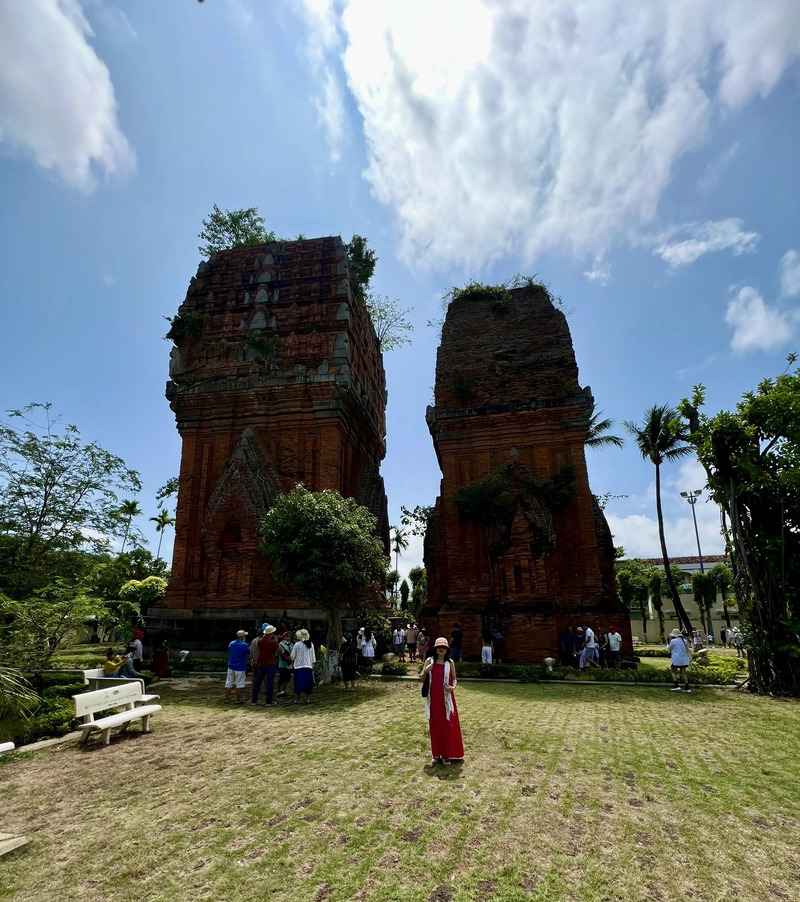
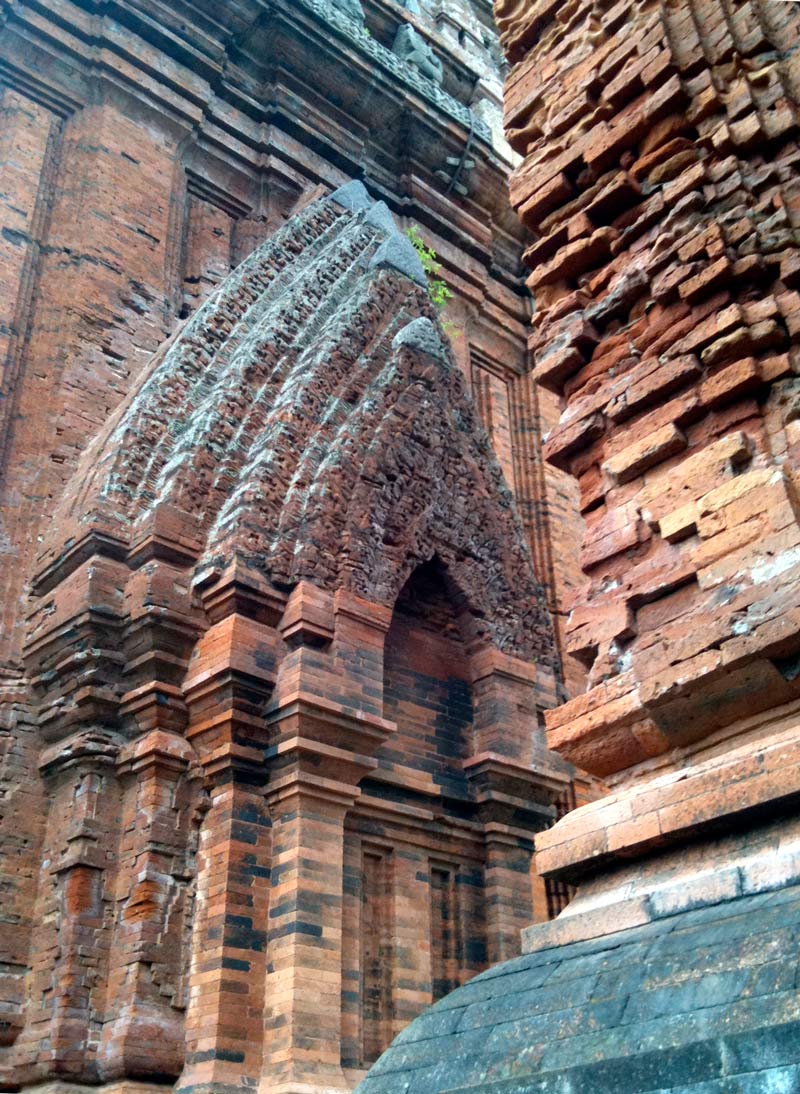
Quy Nhon City · 12th-century Cham towers in the city centre
Twin Cham Towers (Tháp Đôi)
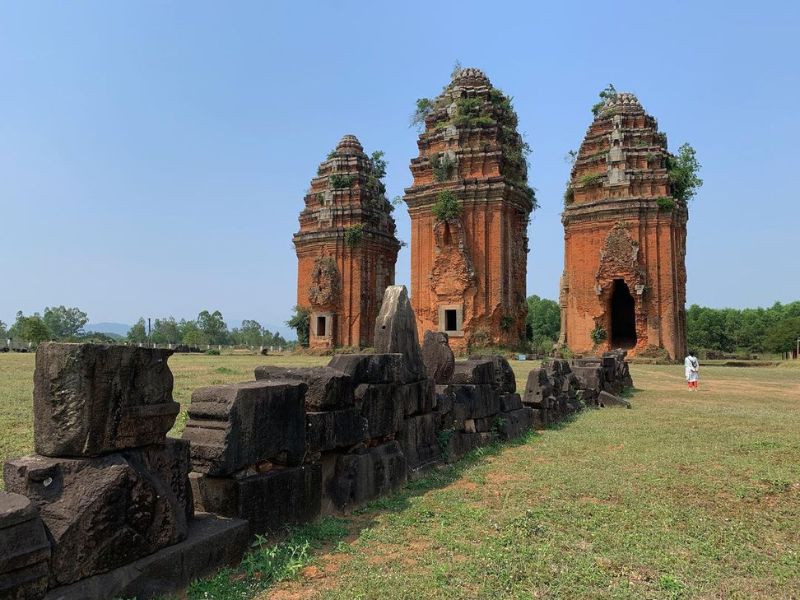
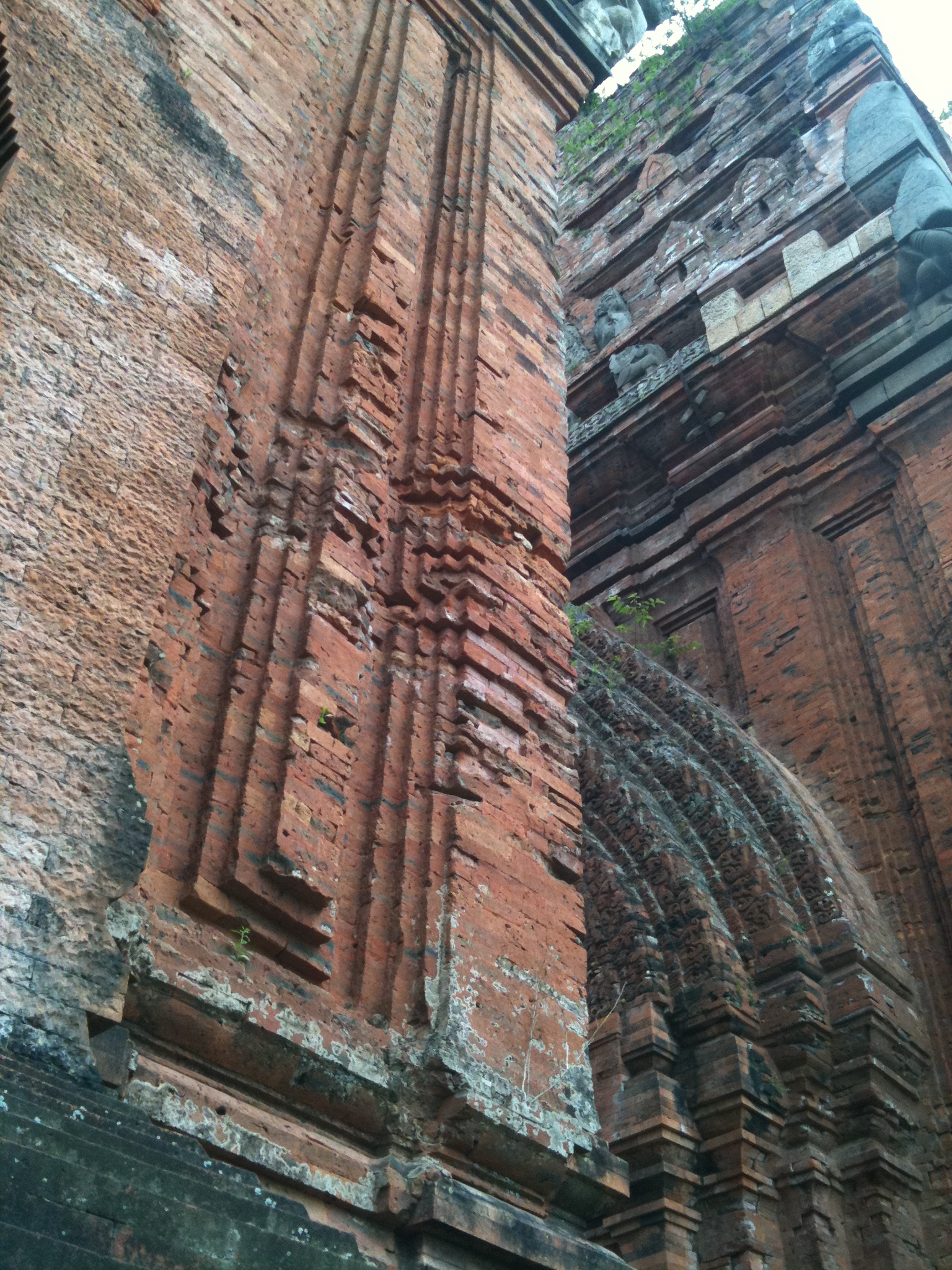
Tay Son District · Tallest surviving Cham towers in Vietnam
Yang Long Cham Tower Complex
Place
Binh Dinh
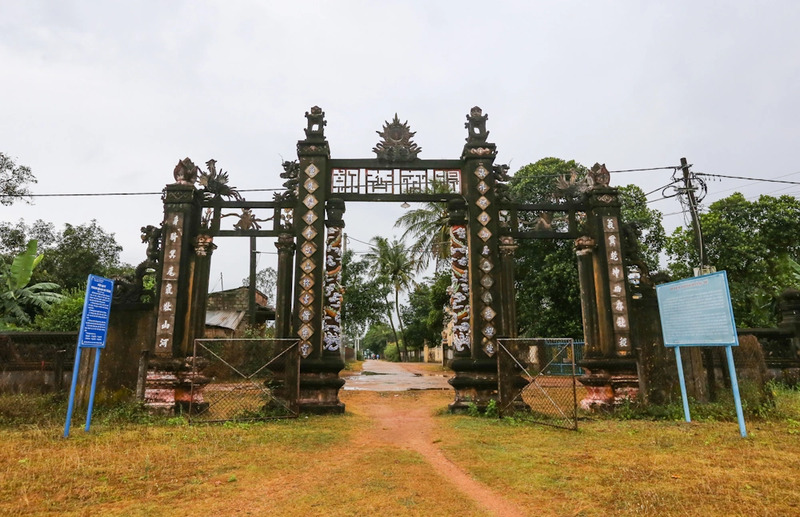
Đồ Bàn Citadel — Ancient Cham Pa Capital
Đồ Bàn Citadel served as the capital of the Cham Pa kingdom for over 500 years, from the 10th century until 1471 when King Lê Thánh Tông captured it. The citadel was later reused by Nguyễn Nhạc as the headquarters of the Tây Sơn uprising. Its 7-kilometre earthen and fired-brick walls still bear clear traces despite centuries of erosion.
Place→
Place
Binh Dinh
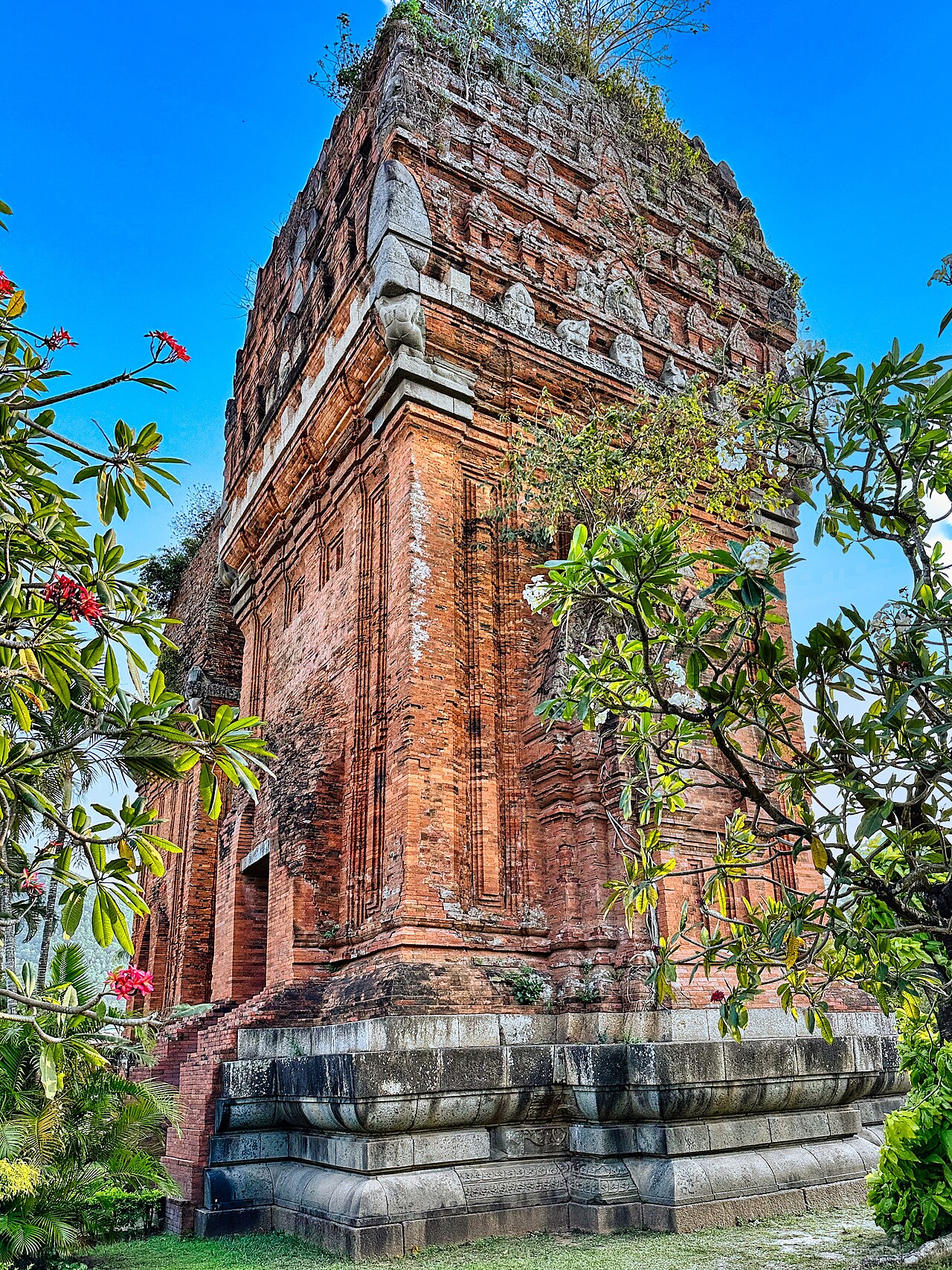
Quang Trung Museum — Birthplace of the Tây Sơn Uprising
Quang Trung Museum stands at Kien My — the village where the three Tây Sơn brothers were born, men who overthrew both the Nguyễn and Trịnh lords, then destroyed a 290,000-strong Qing Chinese army in five days of the 1789 Tết offensive. The spacious complex includes a temple, two-storey museum, garden, and fish pond — a solemn memorial amid the Tây Sơn countryside.
Place→
Place
Binh Dinh
Ghenh Rang – Tien Sa Headland & Han Mac Tu Tomb
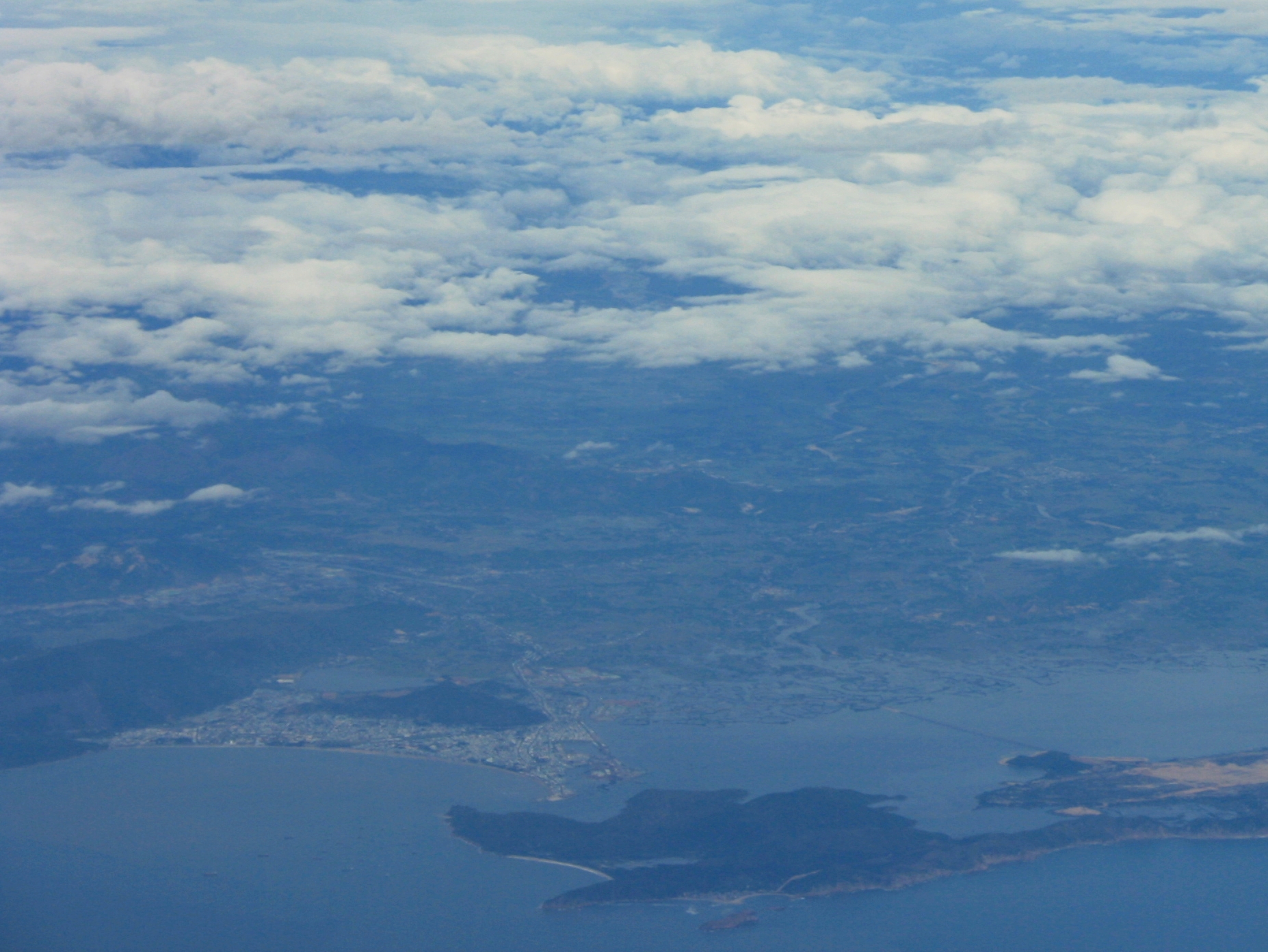
Ghenh Rang is a 2-kilometre granite headland south of Quy Nhon, where ocean waves have sculpted bizarre rock formations over millions of years. On the hill overlooking the sea rests Hàn Mặc Tử — the most tragically romantic poet of 20th-century Vietnamese literature, who wrote his finest verse in his final years while suffering from leprosy.
Place→
Place
Binh Dinh
Ky Co Beach
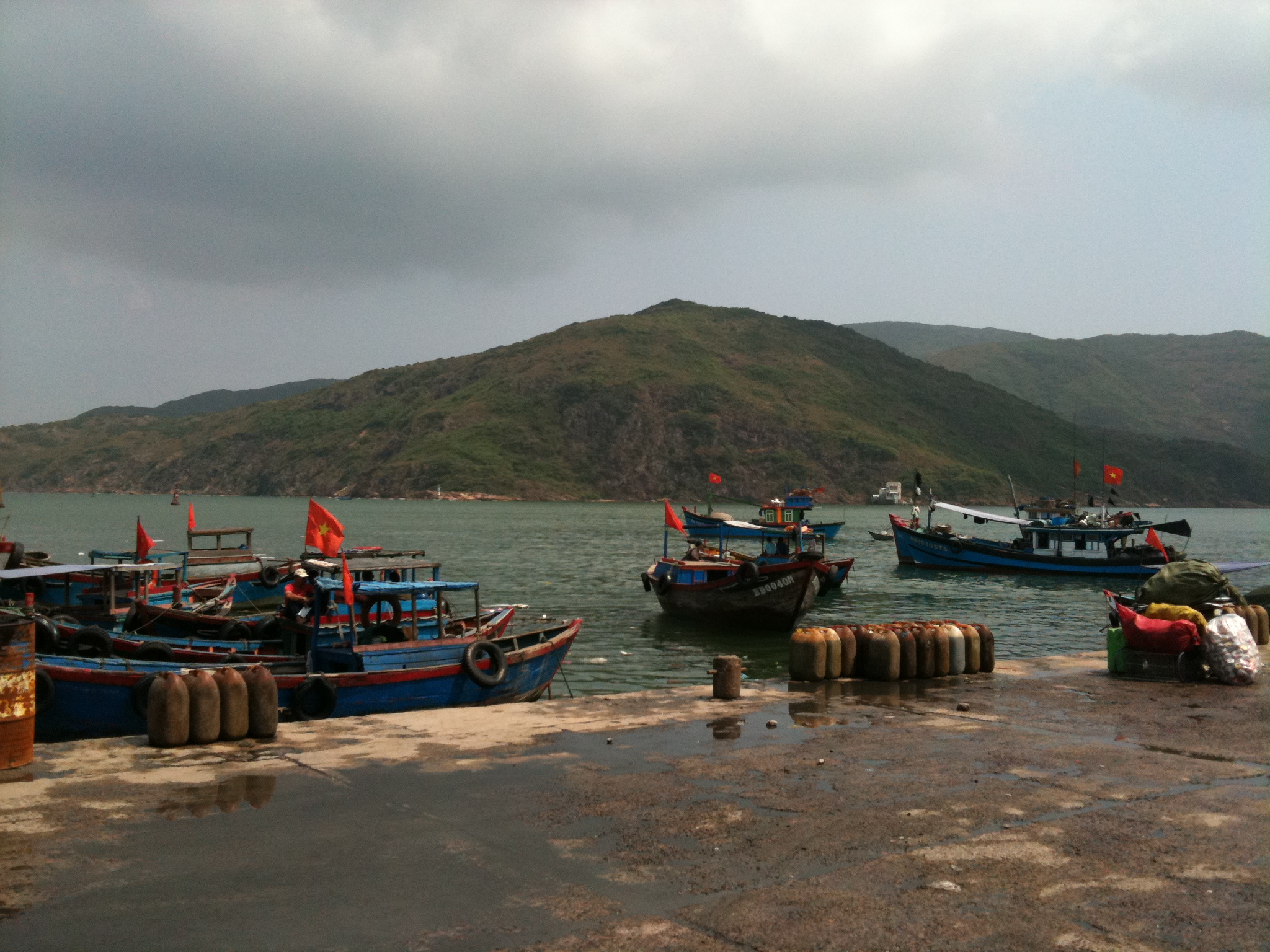
Ky Co is a pristine beach on the eastern tip of Phuong Mai Peninsula, accessible only by boat from Nhon Hai port. The water is clear enough to see the bottom at 5 metres depth, earning comparisons to the Maldives for its turquoise lagoon ringed by rocky mountains.
Place→
Place
Binh Dinh
Eo Gio — Wind Gap Headland
Eo Gio is a natural gap between two granite cliff faces through which sea wind blows continuously, creating a distinctive howling sound. From the rock pinnacle above, sheer cliffs drop to the sea below where waves crash in white foam — one of the most dramatic wild landscapes on the central Vietnam coast.
Place→
Place
Binh Dinh
Cu Lao Xanh Island (Green Island)
Cu Lao Xanh is a small island 24 kilometres offshore from Quy Nhon, known for intact coral reefs and a lighthouse built by the French in 1890. Crystal-clear water allows snorkelling among coral, octopus and tropical fish — while the lighthouse on the hilltop creates a striking intersection of colonial history and wild nature.
Place→
Place
Binh Dinh
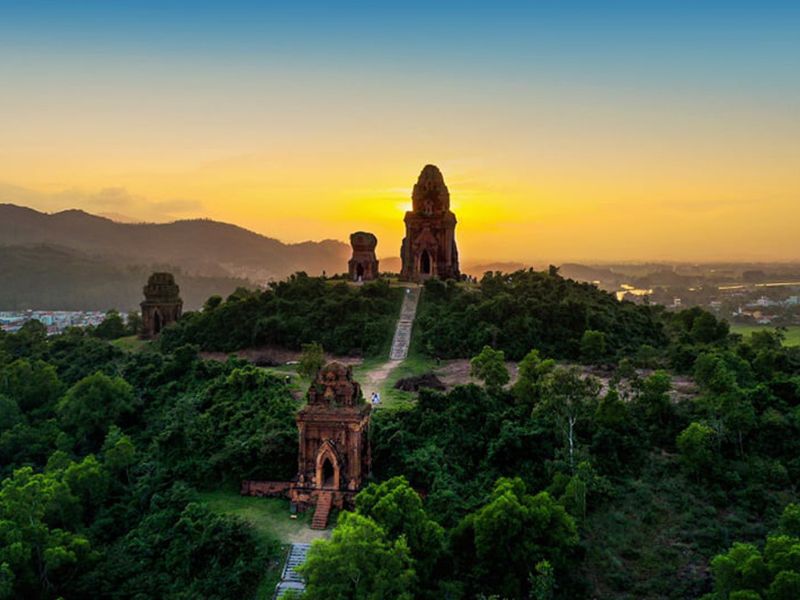
Banh It Cham Tower Complex
Banh It is a complex of four Cham Pa towers built in the 11th century, positioned on four gentle hillsides near National Highway 1A. The name "Bánh Ít" (small cake) comes from the towers' resemblance to a traditional central Vietnamese rice cake — a charming folk detail showing how the local community absorbed a foreign heritage into its own cultural vocabulary.
Place→

Place
Binh Dinh
Ham Ho — Granite Gorge Nature Reserve
Ham Ho is a roughly 3-kilometre granite gorge along Ham Ho stream, where water rushes through massive boulders forming small waterfalls and clear green pools. Located in primary forest in Tay Son District, locals call it the "little Dragon Gate" for the wild and mysterious beauty of its enormous rock formations.
Place→
Know something we're missing?
Every contribution is cross-checked by our editors against at least 2 independent sources before publishing.
Submit a suggestion →