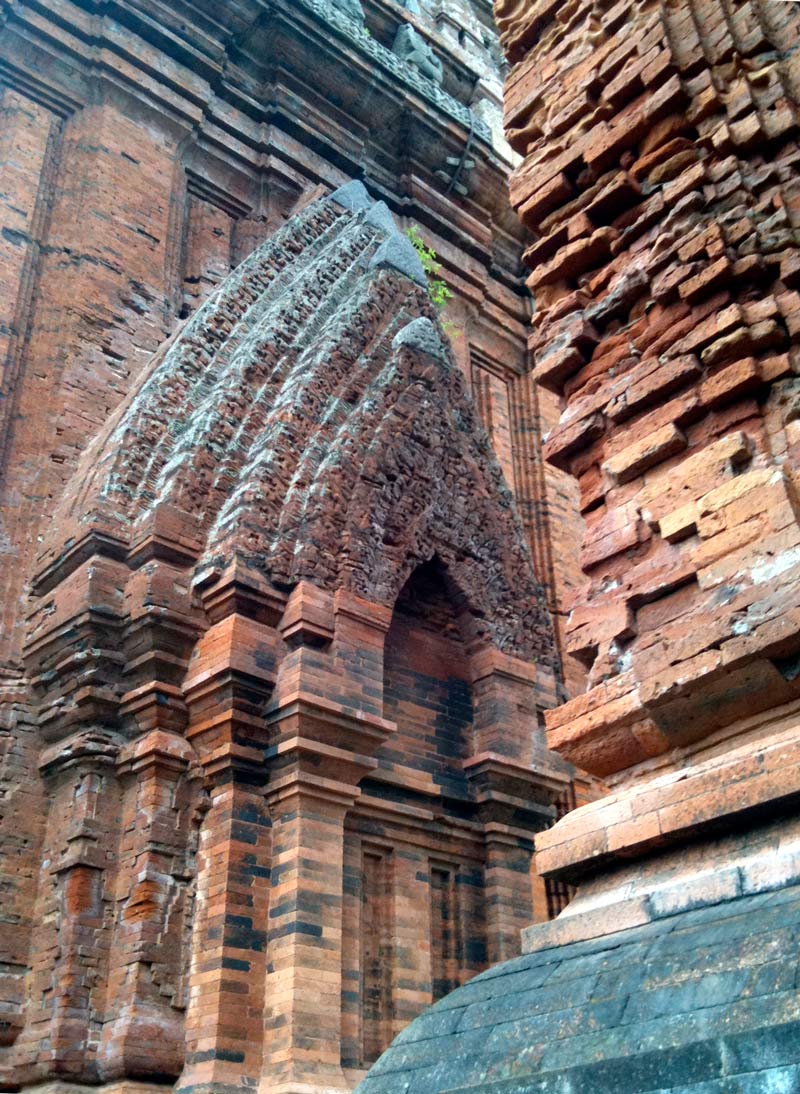
History & story.
Cu Lao Xanh is a small island 24km offshore from Quy Nhon to the southeast, belonging to Nhon Chau commune — one of Binh Dinh province's most remote island communes. The island spans approximately 3km² and has around 3,000 residents who have fished and farmed seafood for centuries. The name 'Cù Lao Xanh' (Green Island) comes from the island's lush tropical vegetation visible clearly from the sea. The terrain consists of a low central hill surrounded by beaches and small coves — with the northeastern side having the best coral reef development, sheltered from summer swells.
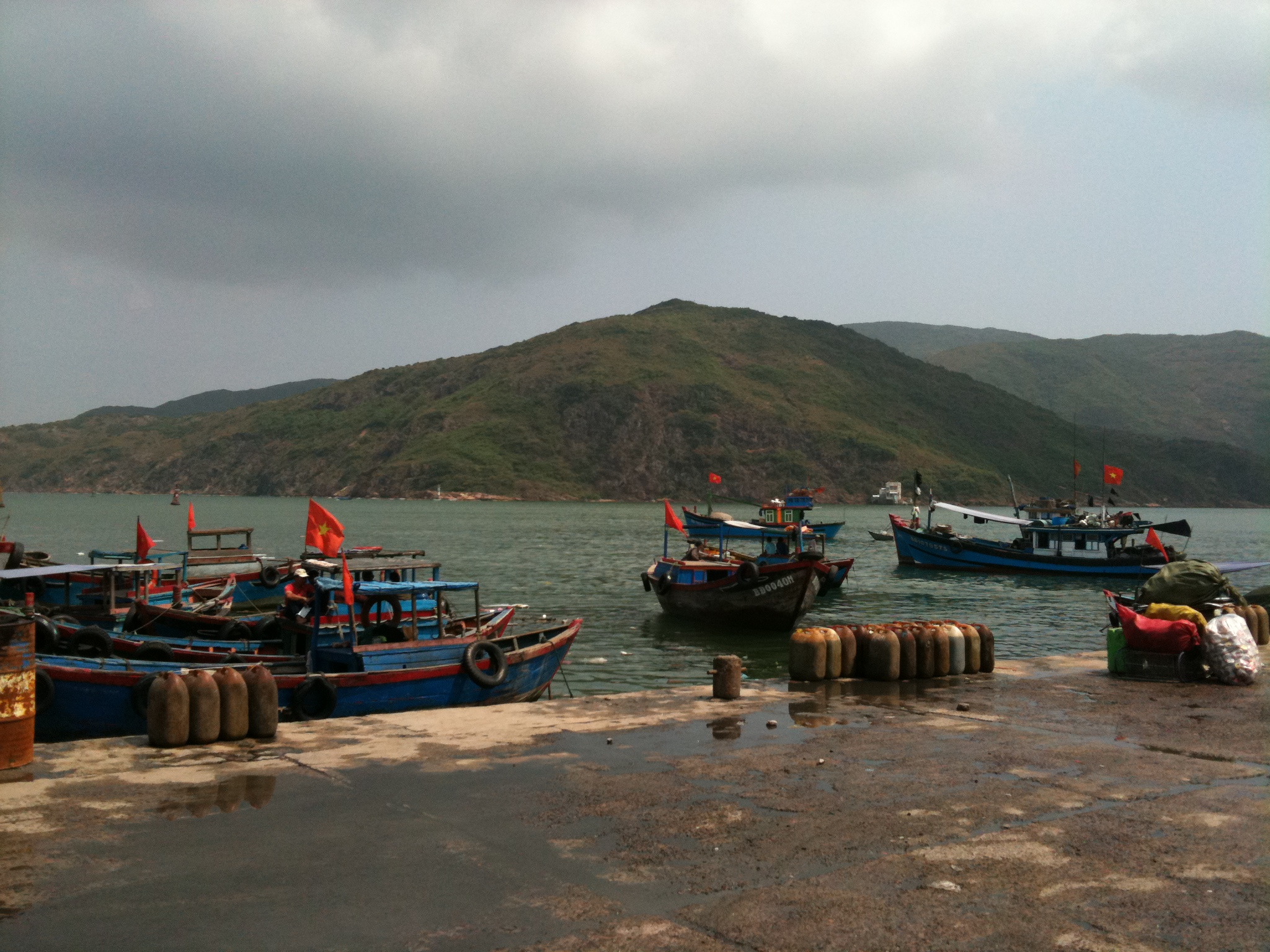
Cu Lao Xanh lighthouse was built by the French in 1890 from local granite and lime, standing approximately 20 metres tall on the island's highest hill. During the French colonial period, Quy Nhon was one of the most important commercial ports in central Vietnam, and Cu Lao Xanh lighthouse was the first navigational landmark that ships recognised when approaching from the open sea. After more than 130 years, the lighthouse remains operational and is regularly maintained by the Vietnam Maritime Administration — its white light sweeps 360 degrees every 4 seconds. Climbing the lighthouse during the day offers a panoramic view across the entire island and the open East Sea horizon.
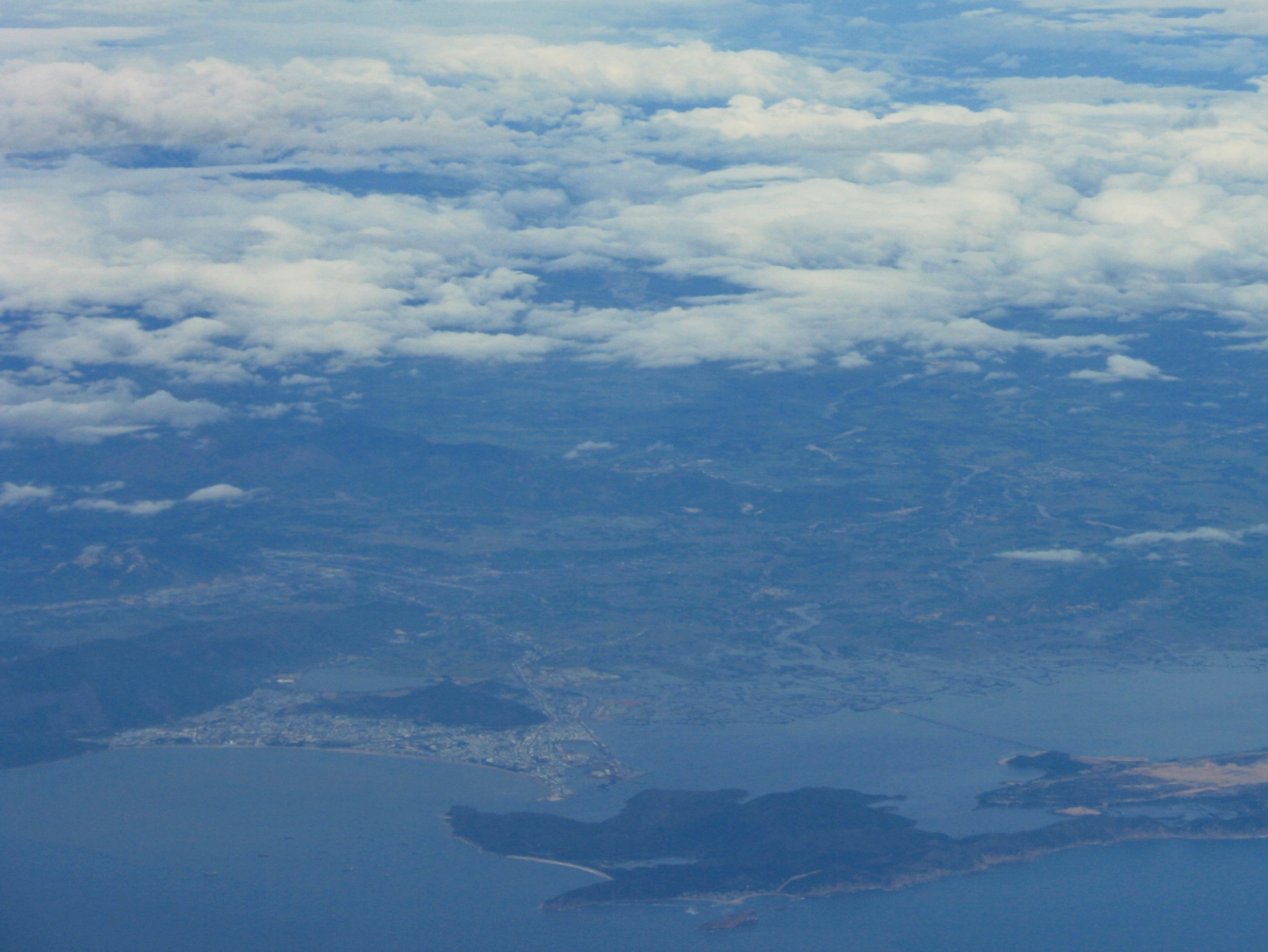
The coral reef on Cu Lao Xanh's northeastern side is rated by marine ecologists as one of the healthiest surviving coral ecosystems in central Vietnamese waters. Present here are both hard corals (branching coral, brain coral, staghorn coral) and soft corals, along with seagrass beds — a complete habitat resulting in high biodiversity. Species commonly encountered when snorkelling: colourful grouper, lionfish, octopus, sea stars, giant clams and clownfish (nemo) hiding in anemone corals. No strong currents in the main snorkelling area — suitable for beginners.
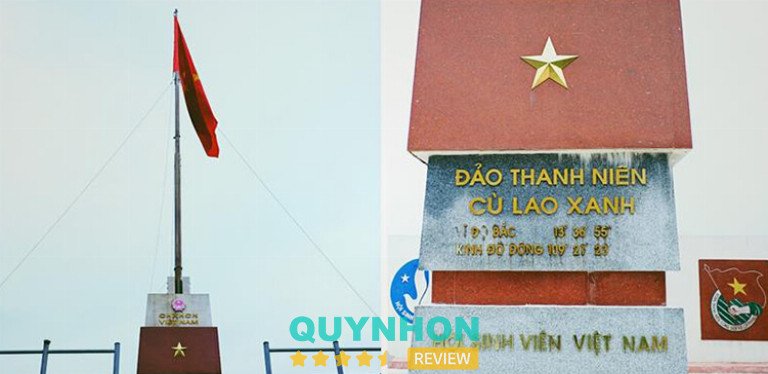
The fishing village on Cu Lao Xanh is an island fishing community with a way of life entirely distinct from the mainland. Islanders live by offshore fishing, cage aquaculture and local seafood harvesting. Boats pack the small harbour, fishing gear dries along village lanes, and family meals by the sea are everyday scenes. Mainland visitors to Cu Lao Xanh note that life here feels at least a generation slower than Quy Nhon. Fresh seafood is plentiful — squid, shrimp, crab, grouper, sea snails — available directly from fishermen or at small beachside stalls at prices significantly lower than the mainland.
"Cu Lao Xanh is the only place I've visited where I felt I'd arrived somewhere I shouldn't be — not because it wasn't beautiful, but because it was so untouched that I felt like an intruder."
— Du khách từ Hà Nội, diễn đàn du lịch phượt.vn
Highlights not to miss.
Climbing Cu Lao Xanh lighthouse is a dual experience: the narrow spiral staircase leads up where lighthouse keepers have climbed every night for 130 years, and from the top you see the whole island below — fishing village, coral reef, beaches and an endless East Sea horizon. The lighthouse is still operational and generally open to daytime visitors on request from the keeper.
The northeastern sea surface of Cu Lao Xanh is the island's best snorkelling zone — hard corals grow to the waterline in clear water, with no need to dive deep to see them. Clownfish in anemone corals, octopus hiding in rock crevices and giant clams in the middle of reef structures are the common highlights. Ask locals for the best snorkelling spot that day — islanders know exactly where the most beautiful coral is at each season.
Seafood on Cu Lao Xanh is fresher than the mainland because it is caught in the surrounding waters and sold the same day. Grilled squid, small lobster, rock crab and grouper in sour broth are dishes island fishermen cook daily and sell to visitors at prices significantly lower than Quy Nhon seafood restaurants. Lunch at a family home or small beachside stall is an inseparable part of the Cu Lao Xanh experience.
Check weather and boat schedule the day before — when the sea is rough (wind force 5 and above) boats do not run and trips are cancelled without refund. October–December is the central Vietnam typhoon and rain season, with high cancellation rates.
How to visit & get there.
Getting to Cu Lao Xanh
The speedboat departs from Quy Nhon port (Ben Cang Pier) at 7:30 AM, taking 45 minutes. Book tickets in advance through local travel companies or at the port directly — the boat fills quickly on March–August weekends. The return boat departs Cu Lao Xanh at 3:00 PM — do not miss it or you must overnight on the island.
On the Island
Allow 5–6 hours: 45 minutes for the lighthouse, 2–3 hours snorkelling, 1–1.5 hours for seafood lunch and village stroll. Hire a snorkel set on the island (about VND 30,000) or bring one from the mainland. No ATM on the island — bring adequate cash. Bring strong sunscreen and enough drinking water.
Sources
- 1.Cù Lao Xanh — đảo san hô đẹp gần Quy Nhơn
VnExpress · 2026-06-26
- 2.Cù Lao Xanh — hòn đảo hoang sơ ngoài khơi Quy Nhơn
Tổng cục Du lịch Việt Nam · 2026-06-26