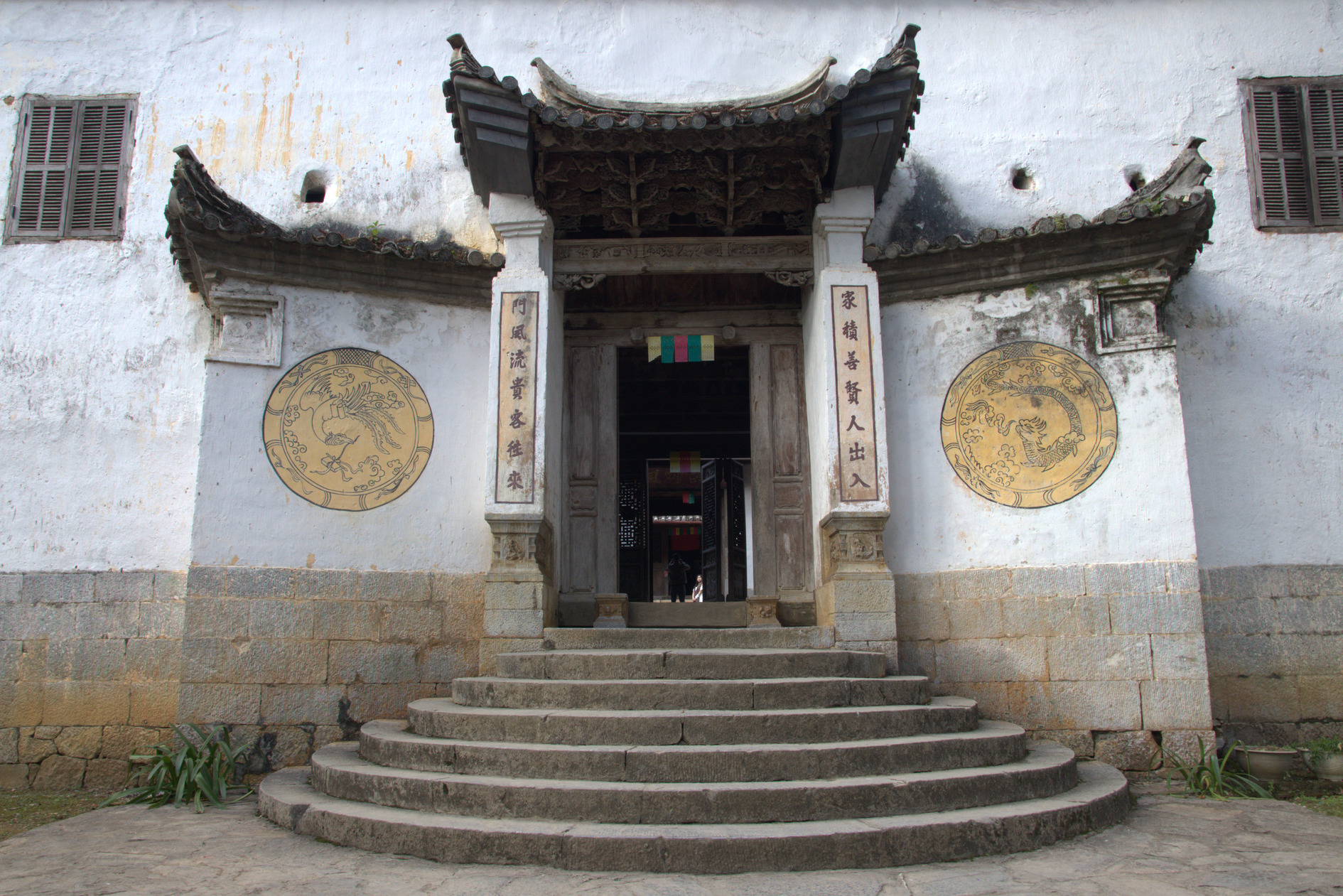
History & story.
The Vuong Family Mansion sits in the Sa Phin valley, carefully sited according to Chinese geomantic principles. Vuong Chinh Duc (1865–1947), known as the 'H'Mong King', was the most powerful H'Mong chieftain along Vietnam's northern frontier in the 20th century. He began construction in 1919 at an estimated cost of 150,000 Indochina silver coins — equivalent to hundreds of billions of dong in today's money. All materials and more than 400 master craftsmen were brought from Yunnan province, China, for the nine-year construction.
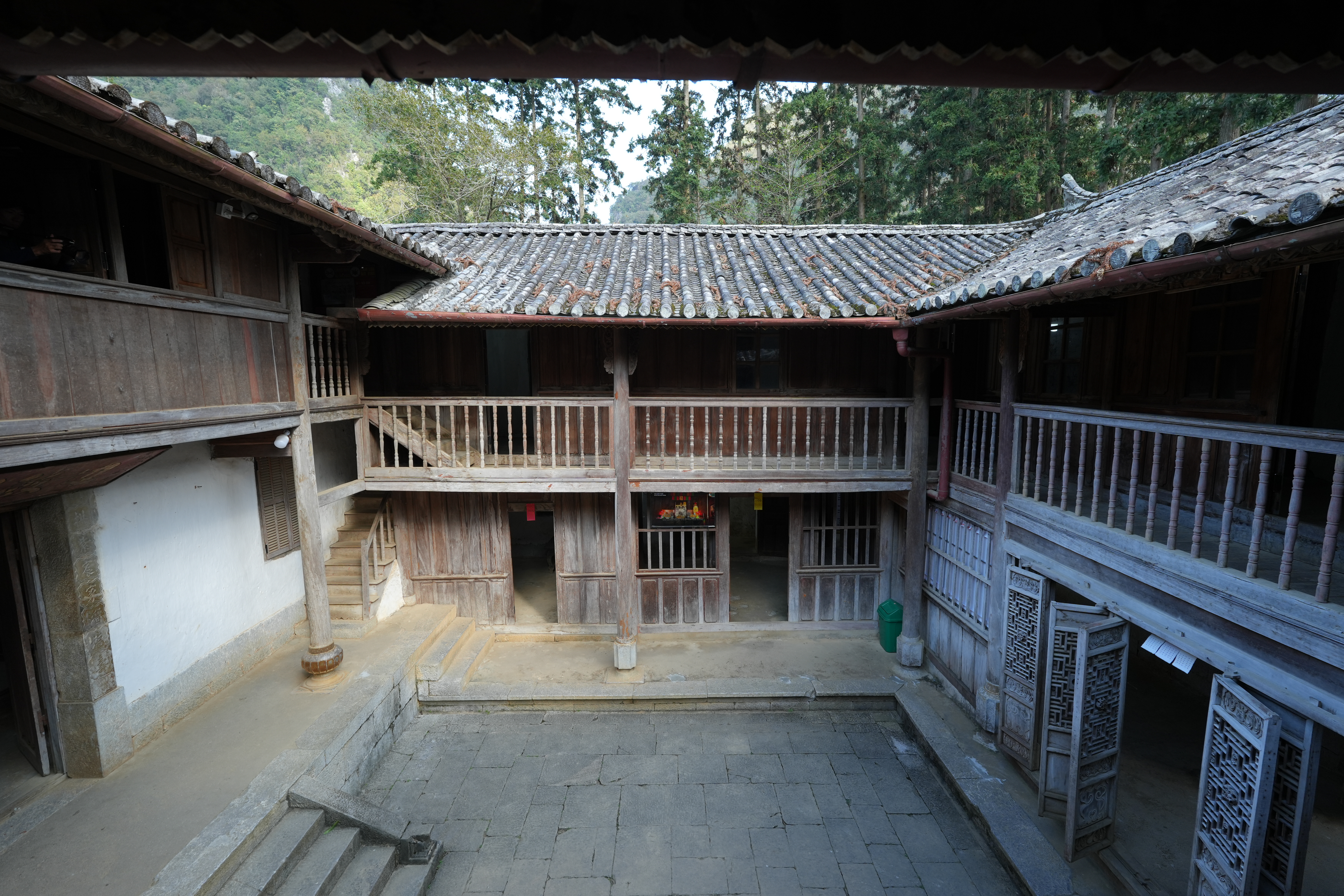
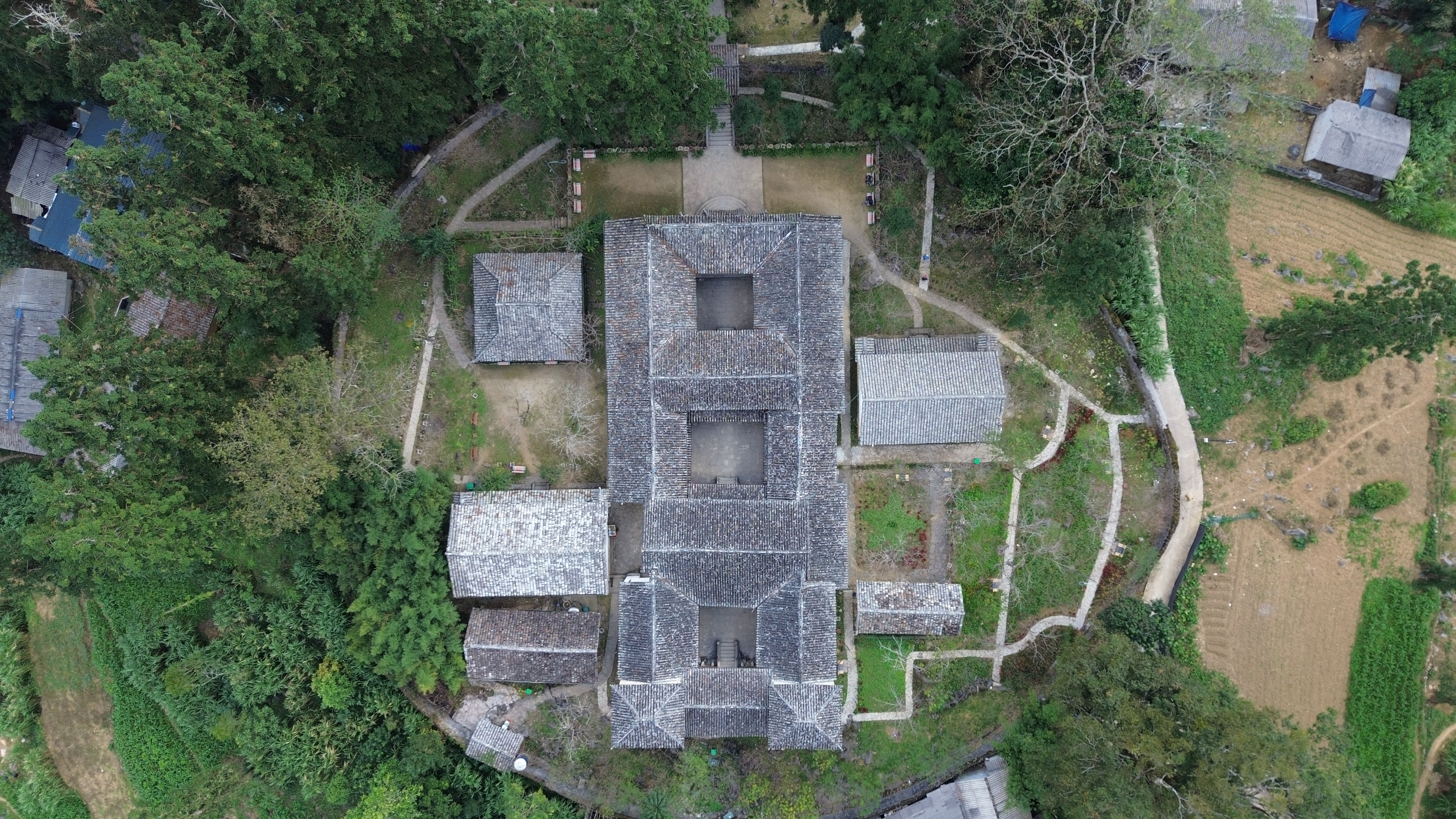
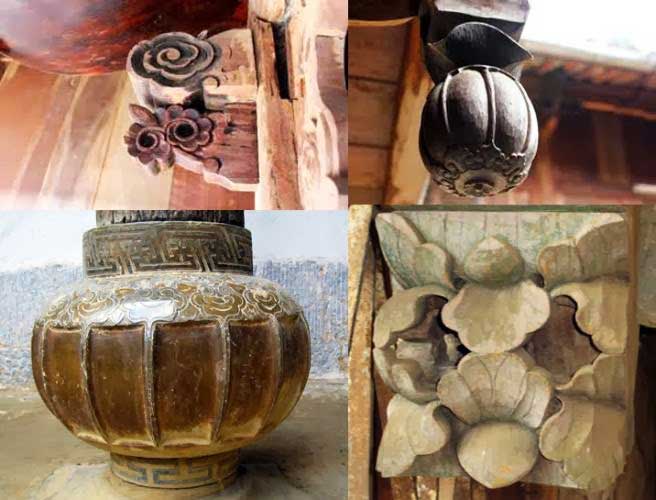
The mansion's architecture uniquely blends three cultural traditions: indigenous H'Mong, Chinese Qing dynasty, and French colonial influence. The nearly three-hectare compound is enclosed by defensive walls and watchtowers, forming a miniature fortress. Inside stand three two-storey houses on stone foundations, with fine carved woodwork featuring dragon, phoenix, and H'Mong folk motifs. The Qing-style curved roofs are covered in glazed yin-yang tiles — a special fired-ceramic tile that develops its distinctive jade-green colour only at very high kiln temperatures.
Vuong Chi Sinh — son of Vuong Chinh Duc — was an important historical figure who was elected to the first National Assembly of the Democratic Republic of Vietnam in 1946. The mansion was designated a National Architectural and Artistic Heritage on 23 July 1993. In 2004, the Vuong family's descendants transferred management to the state. Today the site is conserved and open to visitors, standing as one of the most significant historical destinations on the Dong Van karst plateau journey.
Entering the mansion, visitors are immersed in the atmosphere of a remarkable historical period — when Vietnam's far northern frontier was governed by an H'Mong clan whose economic power came from opium and whose political influence extended all the way to Hanoi and Paris. The household objects — from Chinese porcelain to silver tableware, from family photographs to antique weapons — tell the story of a dynasty standing at the intersection of civilisations. Local guides often recount anecdotes about Vuong Chinh Duc's life in H'Mong before translating into Vietnamese, creating a uniquely layered storytelling experience.
The Vuong Mansion is living proof of the era when H'Mong chieftains governed Vietnam's northern frontier — an architectural museum that needs no label.
VietnamNet, 2023
Highlights not to miss.
The mansion's most remarkable feature is the harmonious fusion of H'Mong architecture (stone walls and mountain-facing layout), Qing dynasty style (curved roofs, jade-green yin-yang tiles, dragon and phoenix carvings), and French colonial influence (coloured glass, wrought-iron details). The three styles do not clash — they complement each other, producing an aesthetic unlike anything else on the karst plateau.
The compound is surrounded by thick rubble-stone walls with corner watchtowers and arrow slits. The main gate is deliberately narrow for controlled entry, while a system of shallow moats and concealed stone traps rings the perimeter. It is a reminder that the Vuong clan's power rested not only on prestige but also on military capacity in a perpetually unsettled border region.
Inside the mansion, several rooms display original Vuong family objects: Chinese porcelain tableware, hand-embroidered H'Mong ceremonial clothing, antique weapons, and family photographs from the 1920s–1940s. These artefacts allow visitors to visualise the life of a clan that was simultaneously deeply H'Mong and engaged with modernity flowing in from China and France.
In October–November, buckwheat fields surrounding the mansion bloom pink and white. Many photographers choose to shoot the mansion with buckwheat in the foreground from the small path to the southeast — late afternoon light is ideal.
How to visit & get there.
Getting There From Dong Van town, ride a motorbike **14 km west** along a paved road through buckwheat fields. **Arrive before 9:00 AM** to explore comfortably before tour groups arrive.
Visiting **Hire a local guide** (available at the gate, fee around 50,000–100,000 VND) to hear the Vuong family story told in both H'Mong and Vietnamese. **Do not climb onto roofs** or touch display objects — many original fittings survive and are fragile.
Sources
- 1.Dinh thự Vua Mèo - di sản giữa vùng cao nguyên đá Đồng Văn
VietnamNet · 2026-06-16
- 2.Ha Giang's magnificent beauty lures travelers
VietnamPlus · 2026-06-16