History & meaning.
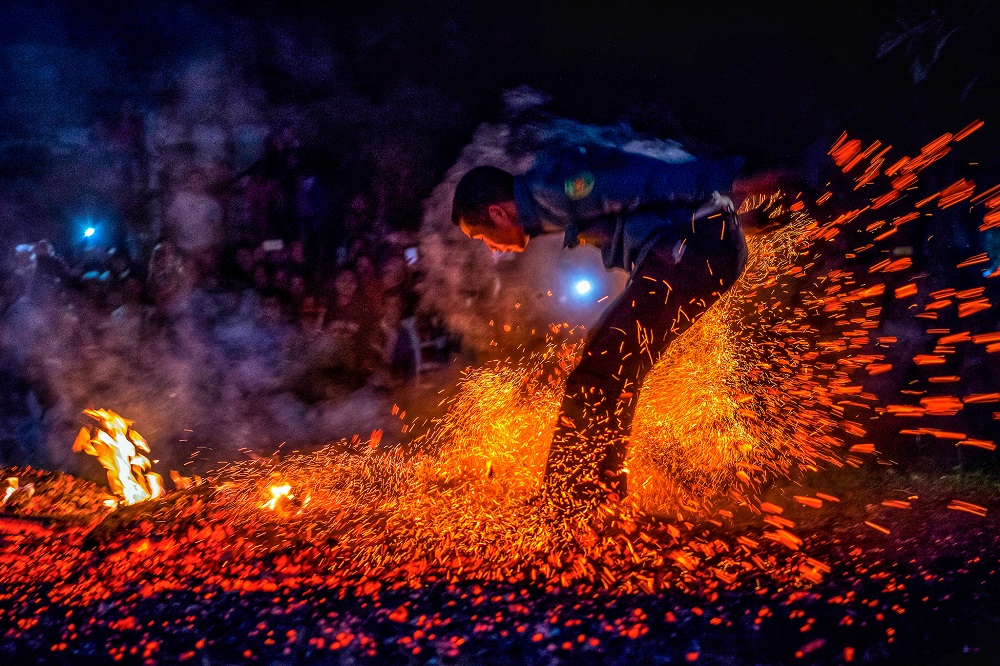
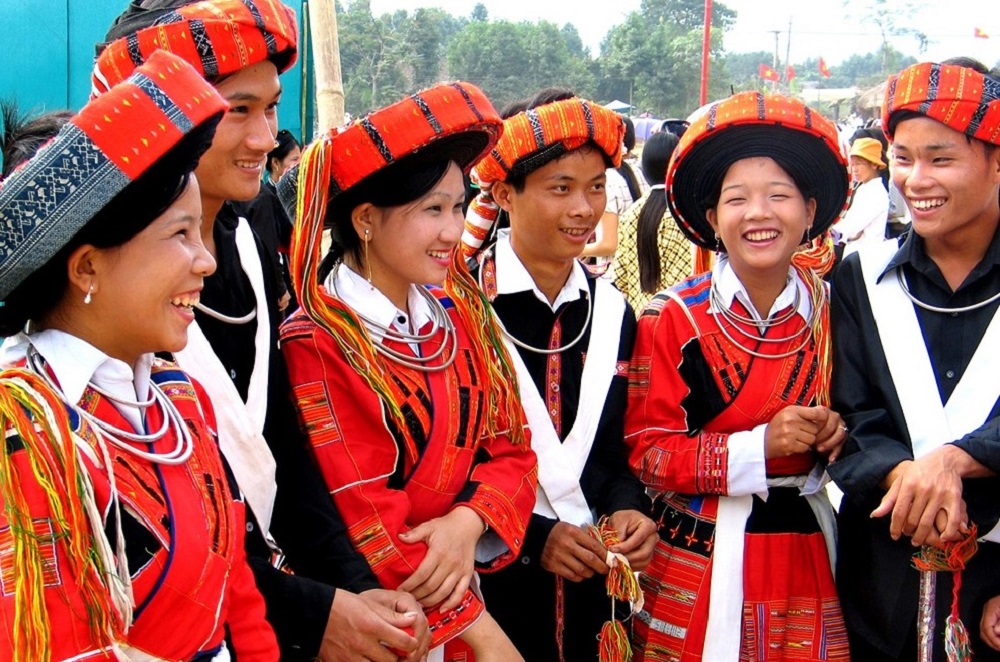
The Pa Then have a complex spiritual belief system that has been studied less thoroughly than those of larger ethnic minorities in Vietnam. The shaman (called thầy pháp or pháp sư in Pa Then terminology) occupies a central position in community life — not merely a ceremony performer but a genuine intermediary between the human world and the spirit world. Becoming a shaman is not a personal choice but a mission selected by the spirits — typically beginning with unusual signs such as strange dreams or unexplained illness. The chosen person then studies under an elder shaman for many years. Only a shaman who has completed this process has the authority to lead the Fire Dance ceremony.
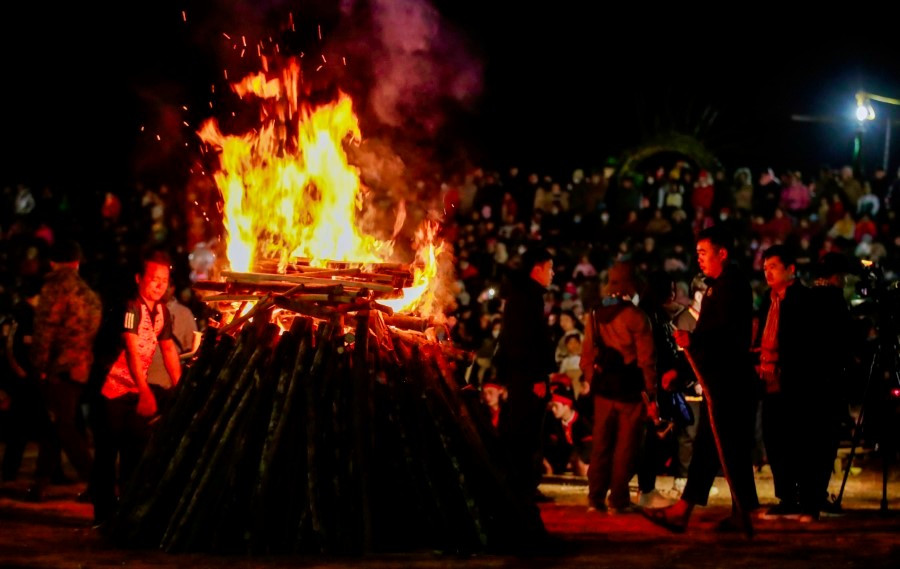
The process of preparing the fire for the Fire Dance is an important part of the ritual, not merely logistical work. Wood is selected from hardwood varieties that burn well and produce even coals. The coal bed is constructed in a specific shape, with sufficient area for multiple people to enter simultaneously. Once the fire is lit, no one is permitted to cross through the ritual area, speak loudly, or cause disturbance — this is the period when the shaman prepares his spiritual state. After 2–3 hours, when the fire dies down and only glowing red coals remain in the darkness, the surrounding space takes on a particular solemnity — the light from the red coals illuminating the silent faces of Pa Then people standing around creates an atmosphere that cannot be fully described.
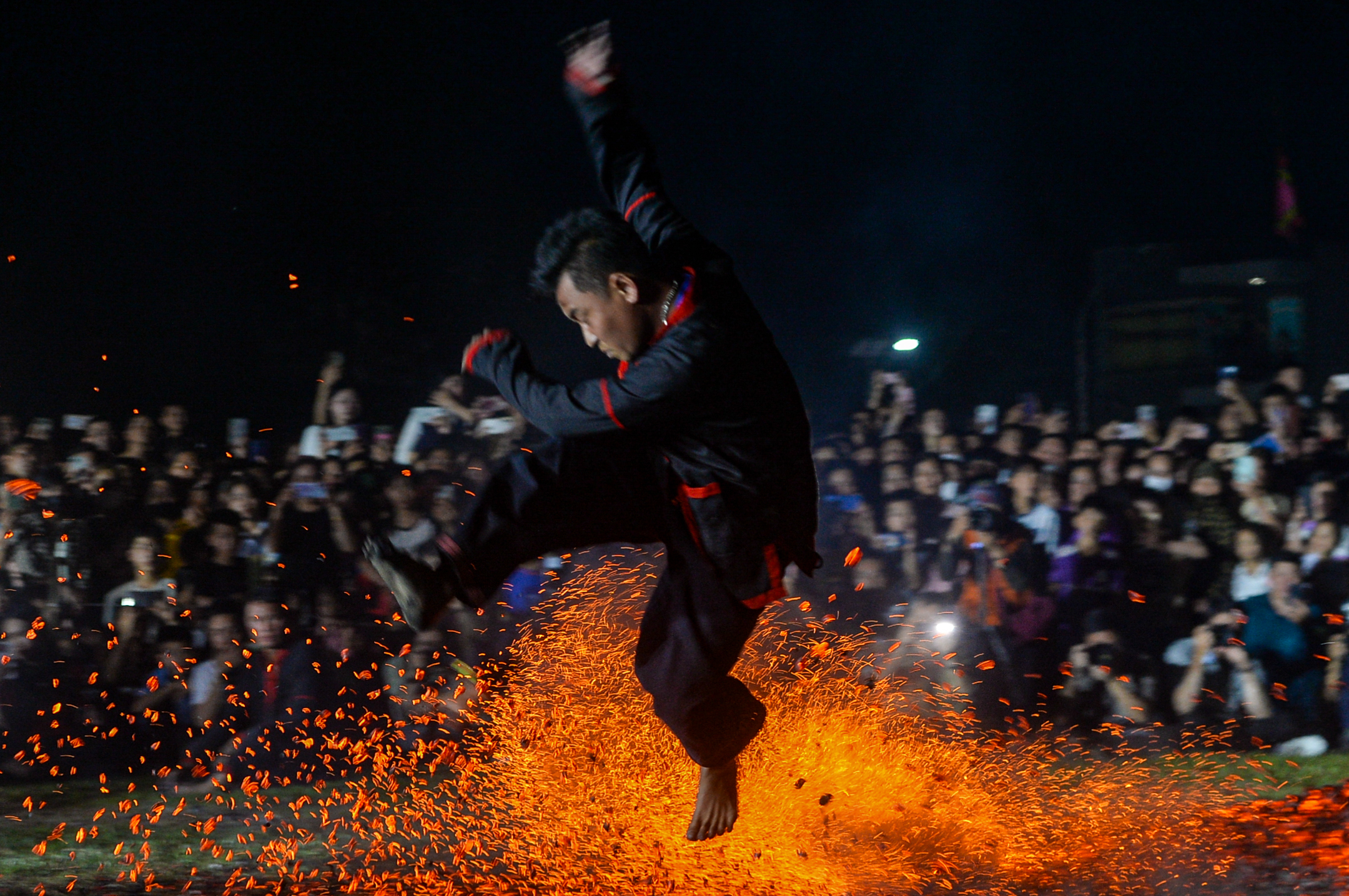
The moment the first fire dancer steps into the coal bed — usually the shaman — is the moment the entire space freezes. Then the next person steps in, then the next. They do not move quickly or hurriedly but walk with normal steps, sometimes pausing, sometimes jumping. The drums continue sounding. The red coal light illuminates calm faces. Their feet leave marks in the coals — but there is no cry, no sign of pain. This is what even the most sceptical visitors cannot easily explain while standing directly in front of it.
Attending the Pa Then Fire Dance is not logistically simple. The Pa Then community is very small and lives in remote villages in Quang Binh and Bac Quang districts — no tourism services, no visitor reception points. Visitors typically need to pass through Vi Xuyen or Bac Quang town and then travel further by motorbike on mountain roads. More importantly, permission matters: without the agreement of the shaman and village chief, visitors cannot attend. The best approach is to make contact through local cultural officers or community tourism organisations with established Pa Then relationships. Those with sufficient patience and respect to approach correctly will witness one of the rarest ceremonies available to outsiders anywhere in Vietnam.
When the shaman has brought the spirits down — fire is only light, no longer heat.
Lời của già làng Pà Thẻn tại Quang Bình, Hà Giang
Highlights not to miss.
The Pa Then, with only around 7,000 people, are among Vietnam's smallest ethnic minorities. This means the Fire Dance — already occurring only once a year — can only be staged in a very small number of villages. Not many international visitors have ever witnessed this ceremony in person. This is among the rarest experiences in Vietnam's cultural tourism catalogue.
The Ministry of Culture, Sports and Tourism's inscription of the Pa Then Fire Dance as a National Intangible Heritage in 2012 poses an interesting question: what exactly is the state preserving — the ritual or the phenomenon? The official recognition does not explain the fire-walking mechanism but simply affirms this is a cultural heritage requiring preservation, regardless of whatever scientific explanation applies. This pragmatic attitude reflects the Vietnamese state's general approach to ethnic minority spiritual culture.
There is no Fire Dance without a fully qualified shaman — and Pa Then shaman training takes many years, with no shortcut. The shaman must learn the ritual system, ancient Pa Then invocation chants, and trance induction techniques from a senior shaman. With a small population and modern pressures, the number of fully qualified shamans is declining — a genuine concern about sustaining this ceremony into the future.
No one arrives in Ha Giang in November and accidentally witnesses the Pa Then Fire Dance without prior preparation. If this is an experience you genuinely want, plan at least 3–4 months in advance, contact multiple channels, and mentally prepare for the possibility of not being admitted to the ceremony even after travelling to the location. Humility and patience are the prerequisites — not money or status.
How to attend & get there.
How to Approach the Pa Then Community
The Fire Dance cannot be booked or registered online. Contact the Cultural and Information Office of Quang Binh or Bac Quang district at least 2–3 months before the ceremony (16th/10th lunar month) to request information and assistance with community access. Some community tourism organisations in Ha Giang have established Pa Then relationships — this is a more reliable access channel.
Conduct During the Ceremony
Absolutely do not step into the coal area even if you see others doing so — only those permitted by the shaman may participate in the fire dance. No flash photography at any point during the ceremony — sudden bright light can disrupt the shaman's trance state. Arrive on time and stay until the end — leaving mid-ceremony is considered a significant sign of disrespect.
Sources
- 1.Lễ Nhảy Lửa của người Pà Thẻn — nghi lễ độc đáo cần bảo tồn
Báo Dân tộc và Phát triển · 2026-06-21
- 2.Lễ Nhảy Lửa người Pà Thẻn — Di sản văn hóa phi vật thể quốc gia 2012
Cục Di sản văn hóa Việt Nam · 2026-06-21
- 3.Lễ Nhảy Lửa người Pà Thẻn
Tổng cục Du lịch Việt Nam · 2026-06-21