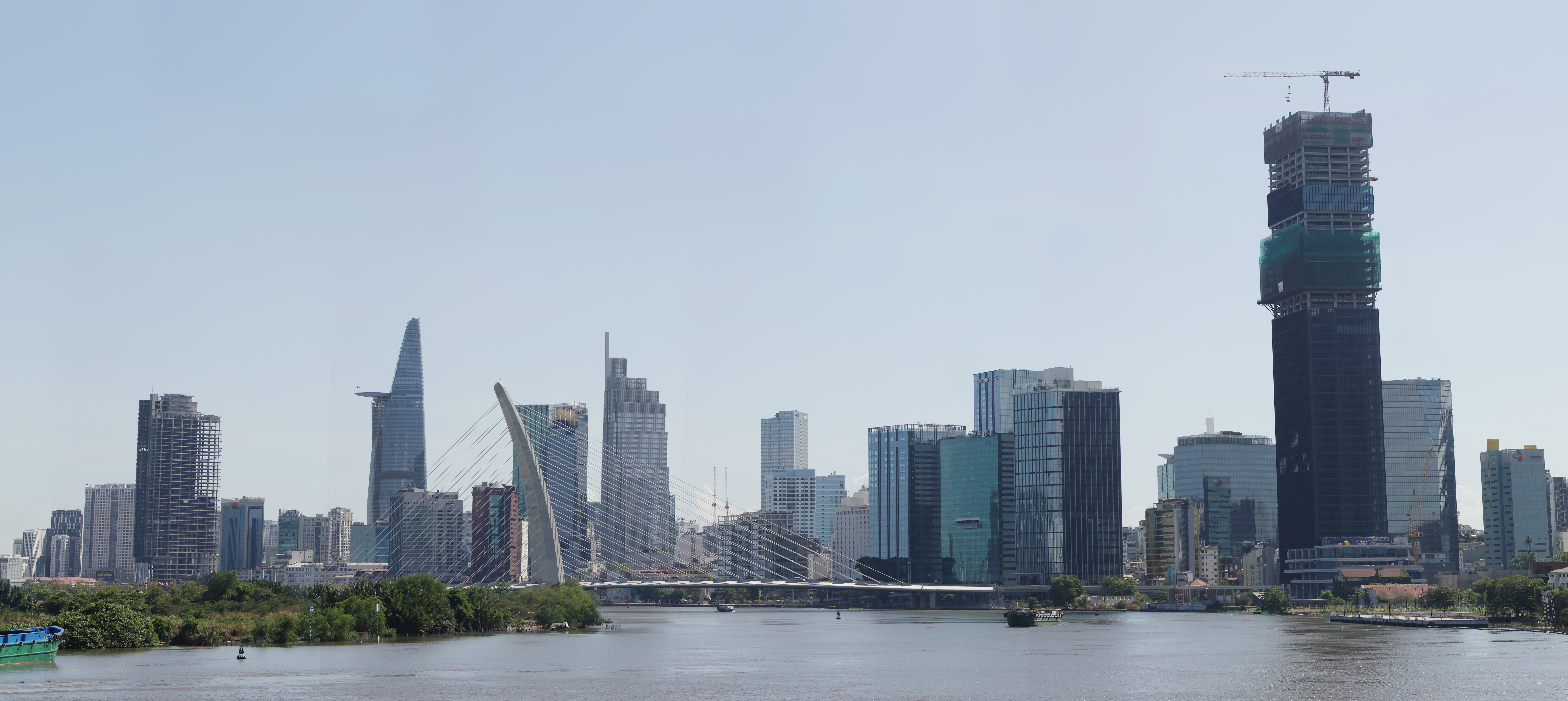
History & meaning.
Lunar New Year in Ho Chi Minh City has roots in the southward migration of Vietnamese settlers from the 17th century onward. Those early migrants brought their Tet customs from their homelands, but the southern landscape — warm sunshine and brilliant golden mai blossoms — gradually shaped a distinct regional version of the festival. Without snow and bitter cold, spring in the south arrives in a blaze of yellow flowers and the fragrance of ripening tropical fruit. In the French colonial period, Saigon developed a tradition of riverside flower markets that were forerunners of today's large-scale floral fairs. The Chinese community of Cholon contributed lion dances, firecrackers, and red lantern decorations to Saigon's Tet character from very early on. By the 1990s and 2000s, as the Doi Moi economic reforms took hold, Tet in Ho Chi Minh City grew increasingly grand with large city-organized events. The pivotal moment came in 2004 when the Nguyen Hue Flower Street was inaugurated, elevating Saigon's Tet to an internationally recognized festival.
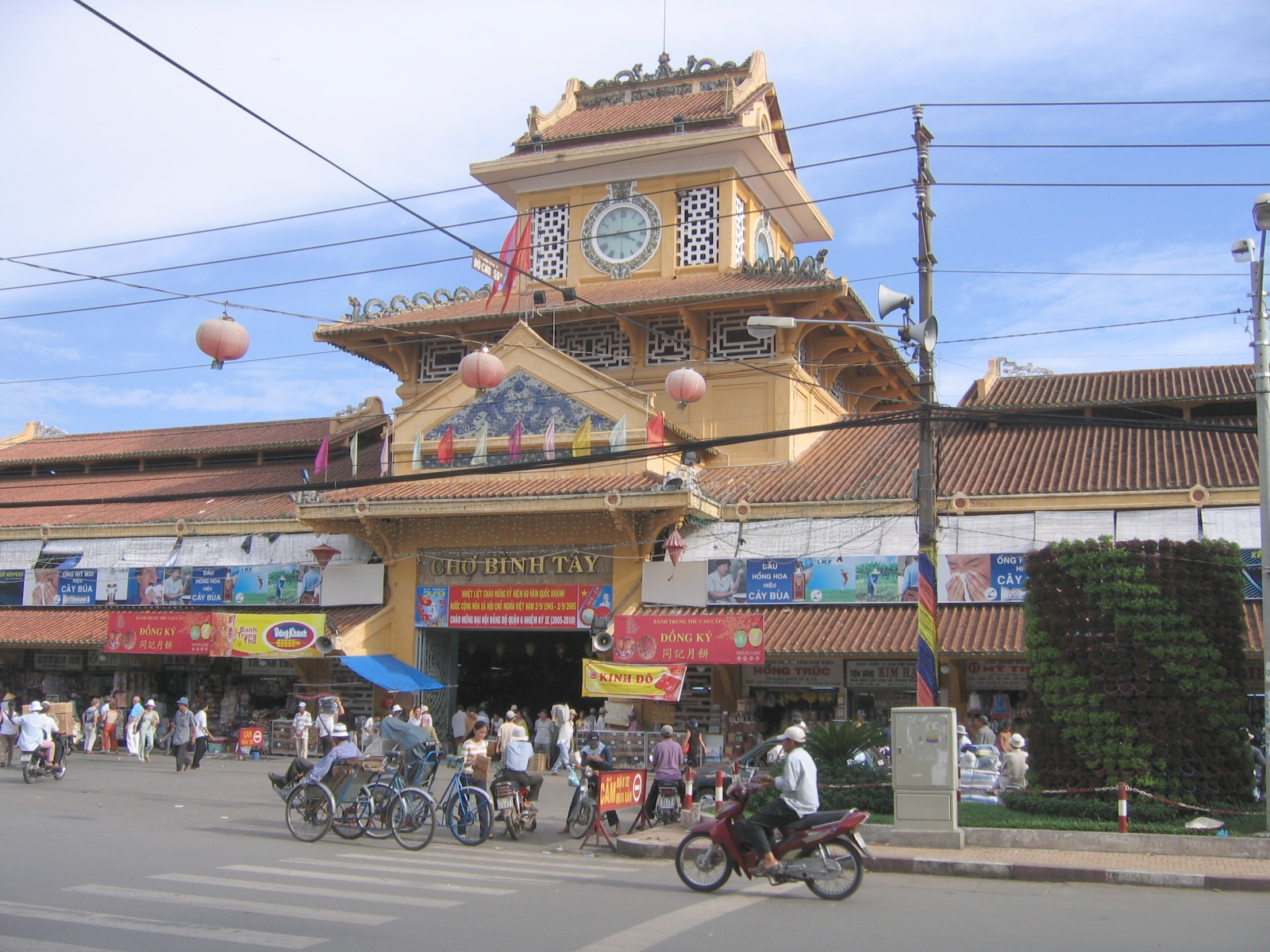
The Tet cycle in Ho Chi Minh City begins on the 23rd of the 12th lunar month with the Kitchen Gods Ceremony — households release fish (usually goldfish in the south) into the Nhieu Loc Canal or public ponds to help the Kitchen Gods ascend to heaven. From the 25th onward, flower markets explode across the city — the Ho Thi Ky (District 10) and Bach Dang (District 1) markets are the most famous, featuring thousands of golden mai blossom pots, marigolds, gladioli, and carnations. On the afternoon of the 30th, families gather for the year-end offering ceremony — the most important meal of the year featuring sticky rice cakes, braised pork with eggs, and bitter melon soup. On New Year's Eve, Ho Chi Minh City erupts in fireworks from multiple points along the Saigon River, launched simultaneously at midnight. On the first morning of Tet, residents visit pagodas to collect good-luck branches at Vinh Nghiem, An Quang, and Giac Lam — the city's most ancient temples. The first three days of the new year follow the traditional visiting order: Day 1 for the father's family, Day 2 for the mother's family, Day 3 for teachers.
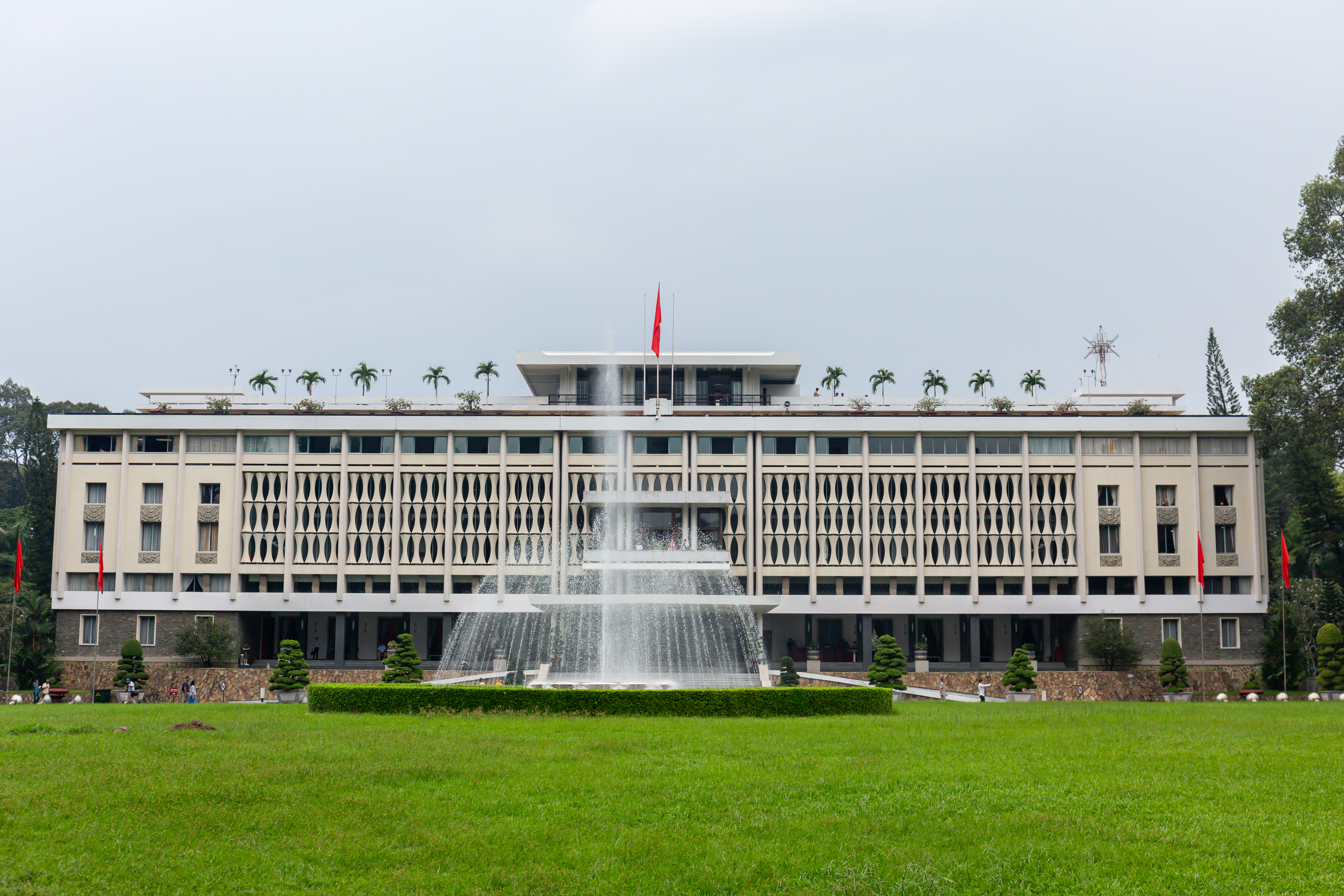
Today's Tet in Ho Chi Minh City is a unique intersection of tradition and modernity. While families still wrap sticky rice cakes, perform ancestral offerings, and observe the taboo against sweeping on the first day, the city also organizes large-scale spring fairs at Dam Sen and Suoi Tien amusement parks, mixing modern entertainment with folk games. The Chinese community in Districts 5, 6, and 11 maintains their own distinct traditions with lion and dragon dances continuing throughout the first lunar month. Many young people from Ho Chi Minh City now choose to travel during Tet rather than staying home — creating a counter-current to the flood of people returning to their hometowns. This makes Ho Chi Minh City simultaneously a departure point and a destination for millions during the Tet season. Restaurants and entertainment venues increasingly stay open through the holidays, reflecting the shifting rhythms of urban life.
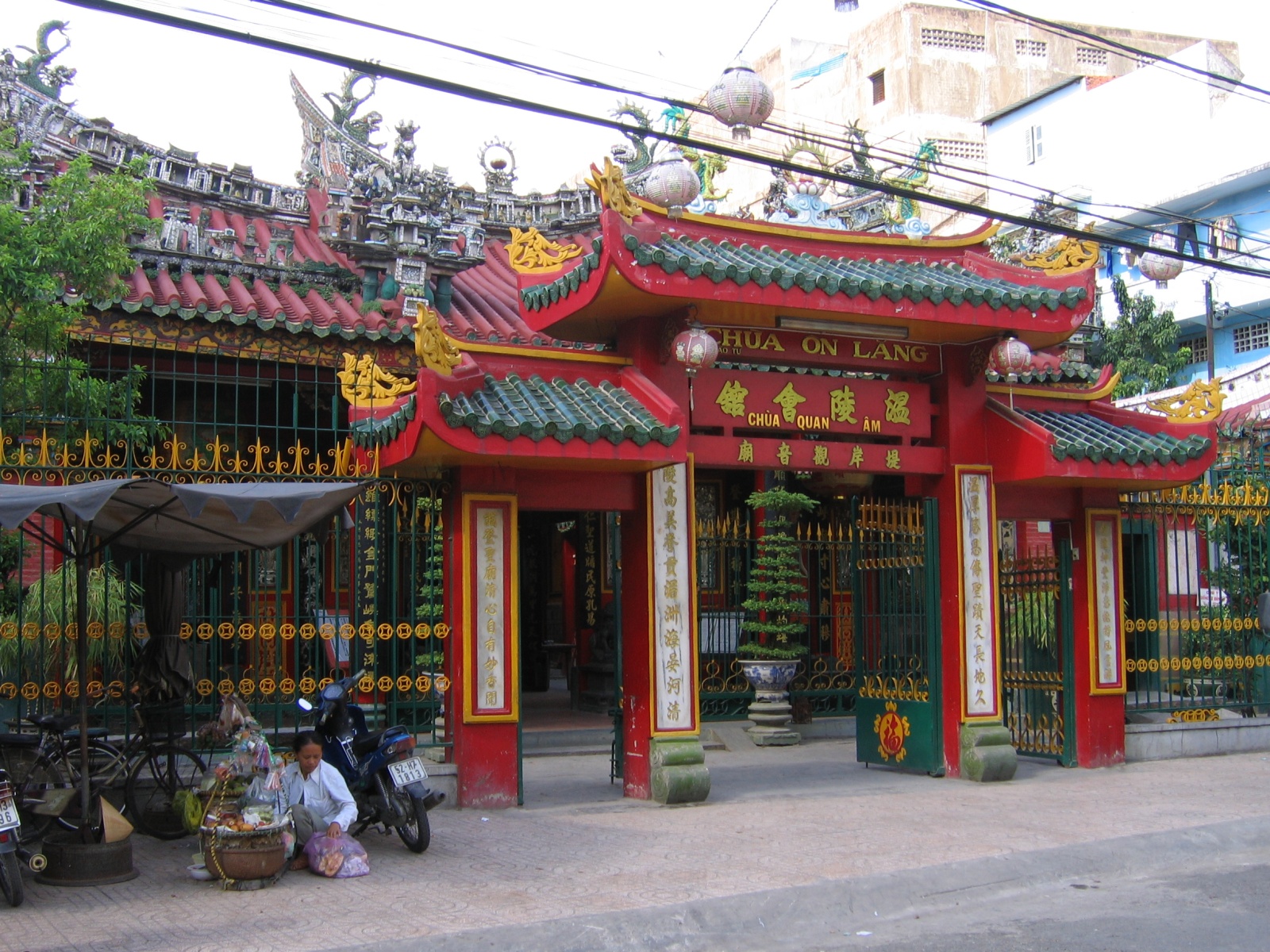
The sensory experience of Tet in Ho Chi Minh City is so unforgettable that many international visitors choose to visit specifically at this time. The scent of incense drifts from every home, shop, and alleyway. Lion dance drums erupt unexpectedly from some neighboring house — the louder the drum, the larger the lucky money. Red and gold overwhelm the eyes: red banners, red lanterns, red lucky-money envelopes, and against this backdrop the gold of mai blossoms, LED lights, and greeting cards. The sweet taste of candied ginger and Tet confectionery from baskets placed at each doorstep. And the most emblematic sound: fireworks detonating at exactly midnight, followed by a strange silence for a few seconds before millions of voices rise together in a single cry of "Happy New Year!"
"Fatty pork, pickled onions, red couplets / New Year's pole, firecrackers, green rice cakes"
Ca dao Tết Việt Nam truyền thống
Highlights not to miss.
The 720-meter pedestrian boulevard transforms into an enormous flower garden from the eve of Tet through Day 5. Each year brings a new theme — the zodiac animal, cultural heritage, or national achievements — expressed through millions of fresh flowers and intricately crafted floral sculptures. It is the most iconic photo spot of southern Tet, particularly stunning from 6pm to 10pm when the decorative lights are illuminated.
The New Year's Eve fireworks over the Saigon River are the pinnacle of Ho Chi Minh City's Tet, lasting fifteen minutes from midnight with multiple simultaneous launch points along the river. The reflections on the water create a visual double effect impossible to replicate. Bach Dang Quay on Ton Duc Thang Street, District 1, is the best viewing point — arrive before 9pm to secure a good position.
Ho Thi Ky (District 10) and Bach Dang (District 1) flower markets open from the 25th of the 12th lunar month, selling thousands of pots of southern golden mai blossoms — the emblematic flower of southern Tet. On the evenings of the 29th and 30th, shoppers bargain for deeply discounted unsold pots. In parallel, families prepare their five-fruit trays and boil sticky rice cakes through the night — the scent of banana leaves and simmering glutinous rice being the most enduring Tet memory for many generations.
Avoid riding motorbikes on New Year's Eve and Day 1 of Tet — streets are extremely crowded with no parking. Grab and taxis operate but prices surge and wait times are long. Best to walk within a 2km radius of Nguyen Hue Street or book a central hotel well in advance.
How to attend & get there.
Ideal Itinerary for Tet in Ho Chi Minh City
25th–30th of the 12th lunar month: Visit Ho Thi Ky or Bach Dang flower markets in the early morning to admire the golden mai blossoms. Stroll through streets like Ly Tu Trong and Nam Ky Khoi Nghia to soak in the pre-Tet preparations.
New Year's Eve and First Days
From 8:30pm on New Year's Eve: Head to the Bach Dang Quay area — Ton Duc Thang Street is the best fireworks viewing point. Avoid the Nguyen Hue area due to extreme crowds. Early morning of Day 1: Visit Vinh Nghiem Pagoda (Nam Ky Khoi Nghia Street, District 3) or Giac Lam Pagoda (Tan Binh District) — arrive before 7am to beat the crowds. Afternoons and evenings of Days 1–5: Nguyen Hue Flower Street is open from 8am to 11pm, most spectacular from 6–9pm.
Sources
- 1.Tết Nguyên Đán tại TP.HCM — Tổng cục Du lịch
Tổng cục Du lịch Việt Nam · 2026-06-20
- 2.Lunar New Year Festival in Ho Chi Minh City
Ho Chi Minh City People's Committee Portal · 2026-06-20