History & meaning.
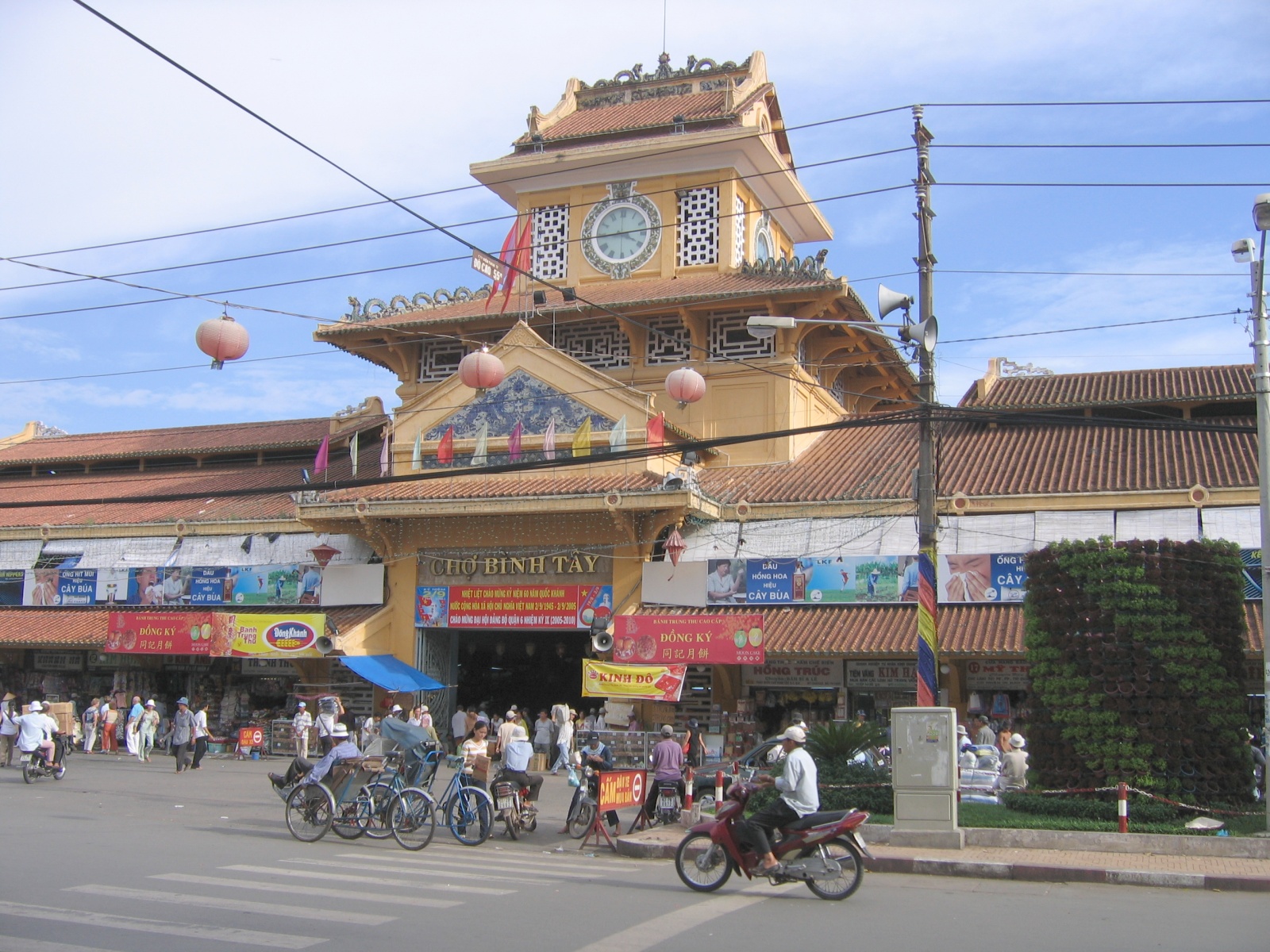
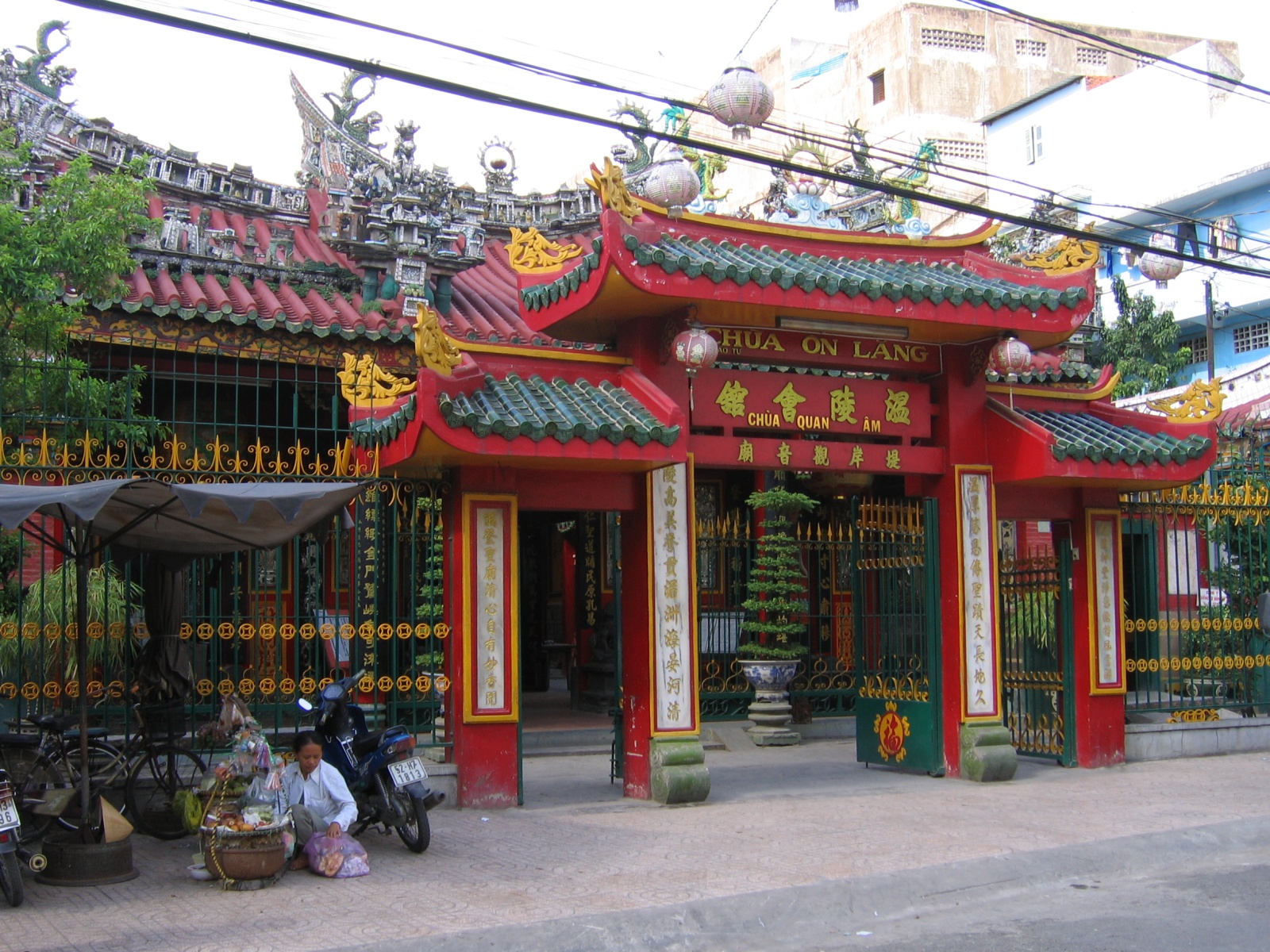
The Chinese began settling in the Saigon-Gia Dinh region from the late 17th century, when the first migrant groups from Guangdong and Fujian came to establish themselves under the Nguyen lords. In 1778, Tran Thang Tai — a Cantonese Chinese — led a large migrant group to the Cholon area and built a thriving commercial quarter. Assembly halls — bang hoi — were established according to dialect group: Tue Thanh Assembly Hall (Cantonese), Nghia An Assembly Hall (Chaozhou), Ha Chuong Assembly Hall (Fujianese), and On Lang Assembly Hall (Fujianese and Hainanese). These architecturally magnificent structures, built in the 18th and 19th centuries with precious timber, yin-yang roof tiles, and elaborate carvings imported from China, remain the center of communal life and worship for the Chinese community today. Nguyen Tieu — the lantern festival on the 15th night of the first lunar month — has been celebrated continuously by the Cholon Chinese for over 300 years, making it their most living tradition on Vietnamese soil.
The procession of Quan Thanh De Quan is the soul of Cholon's Nguyen Tieu. From early afternoon, assembly halls begin preparations: the deity statue is bathed, dressed in new robes, and placed on an elaborately decorated flower palanquin. The ritual team wears ancient Chinese court costumes — red robes, gold robes, official caps — standing on both sides of the palanquin. Around 5pm, the procession departs from Nghia An Assembly Hall on Nguyen Trai Street and moves through Cholon's streets. At the front march lion dance teams — the cracking of drums and cymbals warding off evil spirits. Following are dragon dance teams stretching dozens of meters long, people costumed as the Eight Immortals and mythological figures, then finally the deity palanquin carried by dozens of bearers. Residents lining both sides of the street burn incense and gold-paper offerings to venerate the procession as it passes — the smoke and drums creating an atmosphere like nowhere else.
Nguyen Tieu night in Cholon is not only the procession — it is also a night of food and singular street atmosphere. Along Nguyen Trai and Trieu Quang Phuc Streets, Chinese restaurants spill out onto the pavements — dim sum, white congee with braised accompaniments, ha cao, sui cao dumplings, and fragrant Peking roast duck perfuming the night air. Red lanterns strung from house to house create luminous streets needing no additional decoration. Elderly Cholon residents in traditional four-panel dresses or qipao sit outside their homes watching the procession pass — living bridges spanning three centuries of culture. After the main procession, lion dance groups continue performing on commission from families and businesses — the drums can sound until 1 or 2 in the morning.
What makes Cholon's Nguyen Tieu uniquely valuable is its authenticity. No tourist show, no VIP grandstands or entry tickets — this is a genuine community festival, organized by the Cholon Chinese for themselves for more than three centuries. Visitors — whether Vietnamese from other districts, overseas Chinese, or international tourists — are welcomed but remain outside observers watching a community practice its own beliefs. That feeling is very different from most modern tourist festivals. Standing on Trieu Quang Phuc Street watching the procession pass — hearing the drums, breathing the incense, seeing the lanterns glow — one understands they are witnessing something genuinely alive, not a reconstruction.
"On Nguyen Tieu night the flower lanterns illuminate the sky / Fragrance and incense smoke drift across ten thousand places"
Thơ truyền thống mừng Tết Nguyên Tiêu — Cộng đồng người Hoa Chợ Lớn
Highlights not to miss.
The 5–6 hour procession of the Guan Yu deity through Cholon's streets is the center of the entire festival. Thousands of participants — costumed marchers, percussion teams, lion and dragon dance troupes, and palanquin bearers — create a procession of a scale unseen at any other festival in Ho Chi Minh City. Stand at the Nguyen Trai — Trieu Quang Phuc intersection from 5pm to watch the procession depart.
The four major assembly halls — Tue Thanh (Thien Hau Temple), Nghia An, Ha Chuong, and On Lang — remain open throughout Nguyen Tieu night and are unmissable stops. Their 18th–19th century architecture features enormous incense burners, lacquered and gilded wooden deity statues, and paper lanterns hanging from ceiling to floor. On Nguyen Tieu night, the atmosphere inside these assembly halls defies description.
Nguyen Tieu night is Cholon's peak culinary night. Cantonese restaurants on Nguyen Trai Street serve late-night dim sum, mild white congee, and fragrant roast duck. Luong Nhu Hoc Street is famous for Chinese-style desserts and sweet soups. An evening of eating in Cholon during Nguyen Tieu — amid lantern light and lion dance drums — is a culinary experience no restaurant can replicate.
The assembly halls are genuine places of worship, not tourist attractions. Do not use flash photography directly at people in prayer. Do not touch ritual objects. Dress modestly. If you wish to light incense, observe how locals do it first and follow their lead — it is an act of greeting the deity and people will welcome a visitor's sincere respect.
How to attend & get there.
Getting to Cholon on Nguyen Tieu Night
Take bus route 1 (Ben Thanh — Cholon) or Grab to the Nguyen Trai — Trieu Quang Phuc intersection (District 5). Avoid riding your own motorbike — streets are very crowded with no parking available. Arrive from 3–4pm to visit the assembly halls before the procession begins.
Ideal Schedule
3–5pm: Visit Tue Thanh Assembly Hall (Thien Hau Temple) and Nghia An Assembly Hall — observe the preparations. 5–8pm: Watch the procession and lion, unicorn, and dragon dances along Nguyen Trai Street. 8–10pm: Have dinner at Cantonese restaurants, visit the remaining assembly halls glowing with lanterns. Note: Wear flat shoes and breathable clothing — you will stand for a very long time in dense crowds.
Sources
- 1.Tết Nguyên Tiêu Chợ Lớn — Di sản sống của cộng đồng người Hoa
Báo Giác Ngộ · 2026-06-20
- 2.Tết Nguyên Tiêu của người Hoa Chợ Lớn là di sản văn hóa phi vật thể quốc gia
Tuổi Trẻ · 2026-06-20