History & story.
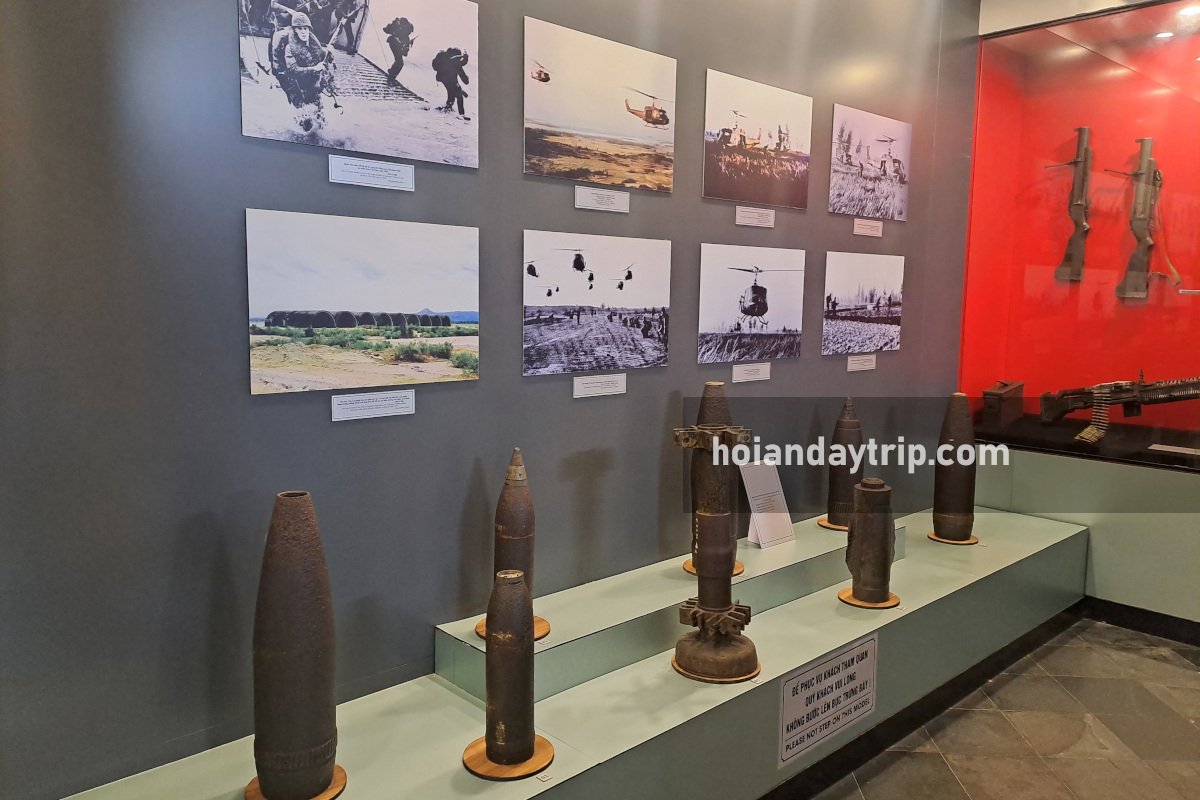
On the morning of 16 March 1968, soldiers of C Company (Charlie Company), 1st Battalion, 20th Infantry Regiment, Americal Division landed at Son My village in Son Tinh district as part of Operation Pinkville. They had orders to seek and destroy Viet Cong forces believed sheltering in the area — but when they arrived, the entire village population consisted of elderly people, women, and children preparing their morning meal. In four hours, 504 unarmed civilians were killed — shot, bayoneted, and killed with grenades thrown into shelters. Not a single American soldier was wounded by enemy fire that day.
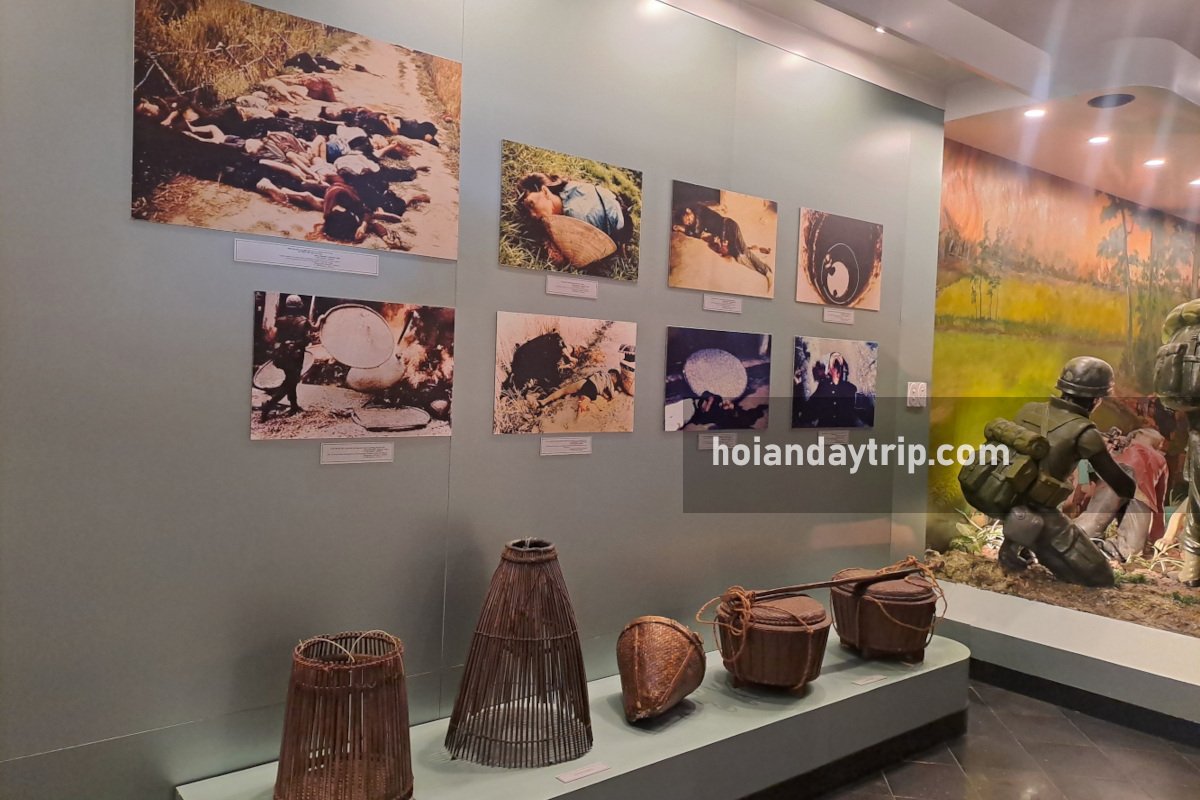
The massacre was concealed for 18 months. It was not until November 1969 that investigative journalist Seymour Hersh published the story through an independent news wire, and Ronald Haeberle's brutal colour photographs — taken on the day of the massacre itself — appeared on the cover of Life magazine on 5 December 1969. Those images sent shockwaves around the world, energising the anti-war movement in the United States and permanently shifting international opinion on the Vietnam War. Lieutenant William Calley — the commanding officer on the ground — was the only officer convicted of war crimes, but his sentence was subsequently reduced and he was pardoned after fewer than four years.
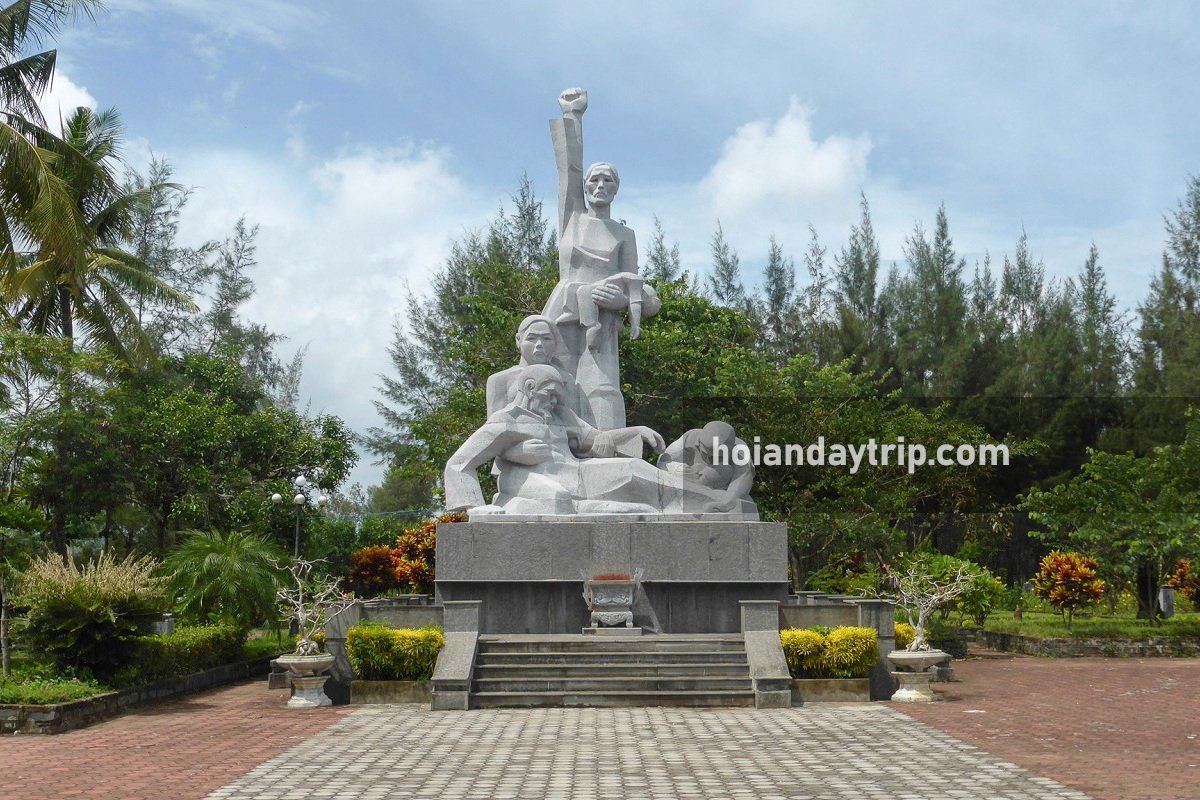
The Son My Memorial covers 2.5 hectares, preserving what remained after the massacre: foundations of burned houses, ancient wells, ditches, and bunkers. Concrete footpaths wind through the site past markers recording the location and number of victims at each point. The indoor exhibition hall contains historical documentation, archival photographs, and memorial sculptures. The names of all 504 victims are carved into the stone walls — each name a real person, not a statistic.
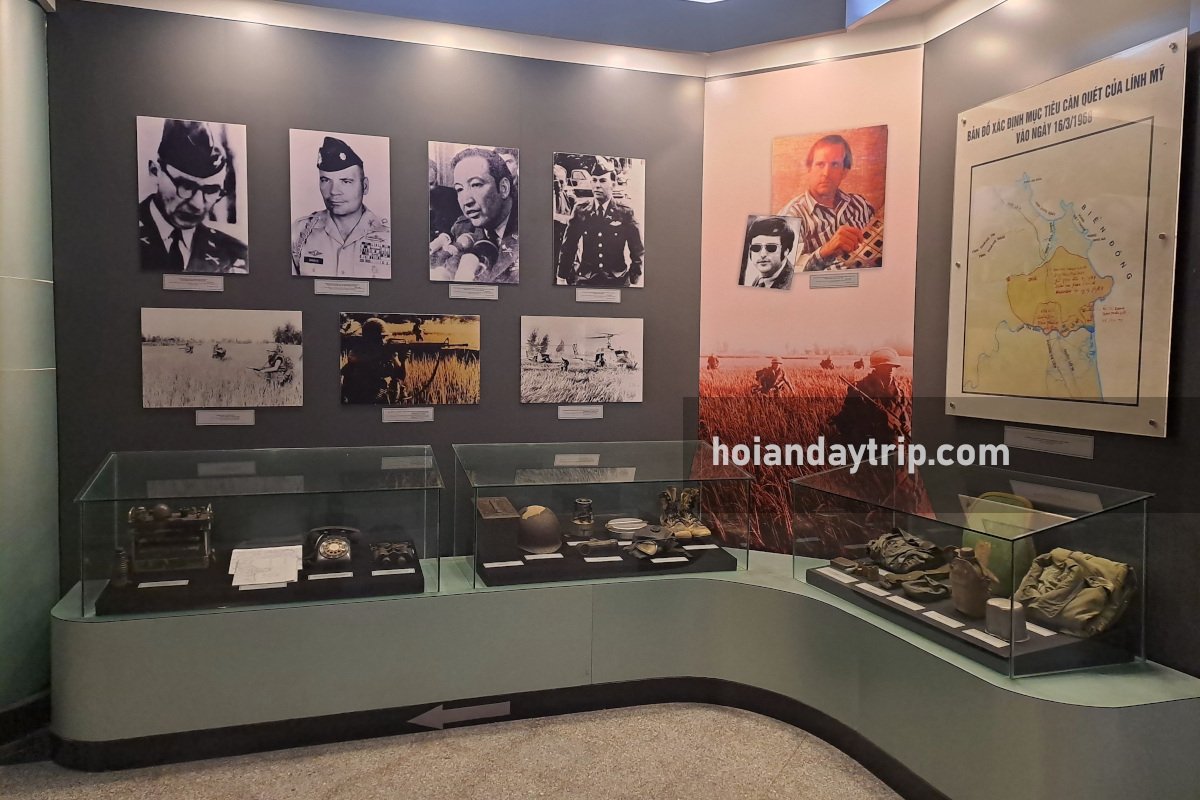
Each year on 16 March, a solemn commemoration ceremony takes place at the memorial, attended by victims' families, Vietnamese veterans, and a number of American veterans who have returned to Vietnam to offer their remorse. Hugh Thompson Jr. — the American helicopter pilot who courageously landed amid the massacre to shield surviving civilians and reported the atrocity to his commanders — is especially honoured here. He was awarded the United States Army's Soldier's Medal in 1998 for his actions that day. He died in 2006. Son My Memorial is a mandatory destination not only for those seeking to understand Vietnamese history, but for anyone who wishes to confront directly the true cost of war.
When I looked at the names on the stone wall, I realised this was not history — these were people who had existed exactly as I exist, and they were erased in four hours.
Cựu binh Mỹ Mike Boehm, tại lễ tưởng niệm Sơn Mỹ, 2018
Highlights not to miss.
The 2.5-hectare open-air zone preserves what remained on 16 March 1968: foundations of twenty burned houses, ancient wells where many victims were thrown, ditches and bunkers. Markers at each site record the number of people killed there. Vegetation has grown back densely, but it does not obscure the memory — nature and history coexist on this single piece of ground.
The indoor exhibition hall holds Ronald Haeberle's original colour photographs — images he took with his personal camera during the massacre and kept secret for 18 months before publishing. Alongside these are historical records, operation maps, and documentation of the war crimes trials. Visitors should prepare themselves emotionally before entering — this is a documentary photography exhibition showing real events and is not suitable for young children.
The stone wall engraved with the full names of all 504 victims — from elderly villagers to infants — is the emotional centre of the memorial. Each name is accompanied by the victim's age, and reading these names makes clear that an entire village community was erased in a single morning. The annual 16 March commemoration ceremony takes place directly before this wall.
Son My Memorial and My Khe Beach (Quang Ngai) are both in Tinh Khe commune, just ~2 km apart. After a morning at the memorial, a quiet afternoon walk along My Khe's undeveloped shoreline offers a natural space for reflection — both places in a single journey.
How to visit & get there.
Emotional Preparation Son My Memorial is a solemn place of remembrance, not an entertainment destination. **Dress respectfully**, speak quietly, and honour the space. Many visitors are deeply moved by the documentary photographs — this is entirely natural and appropriate.
Getting There and Time Needed Located about **13 km east of Quang Ngai city**, reachable by taxi or motorbike. Allow at least **2 hours** to take in the full open-air zone and indoor exhibition. **Arriving early morning** when it is cooler and quieter is recommended — the memorial is better suited to personal reflection than to group touring.
Sources
- 1.Khu chứng tích Mỹ Lai - Sơn Mỹ: Di tích lịch sử quốc gia đặc biệt
VietnamPlus · 2026-06-26
- 2.Kỷ niệm 55 năm thảm sát Mỹ Lai: Bài học không thể quên
Tạp chí Tổ Quốc · 2026-06-26