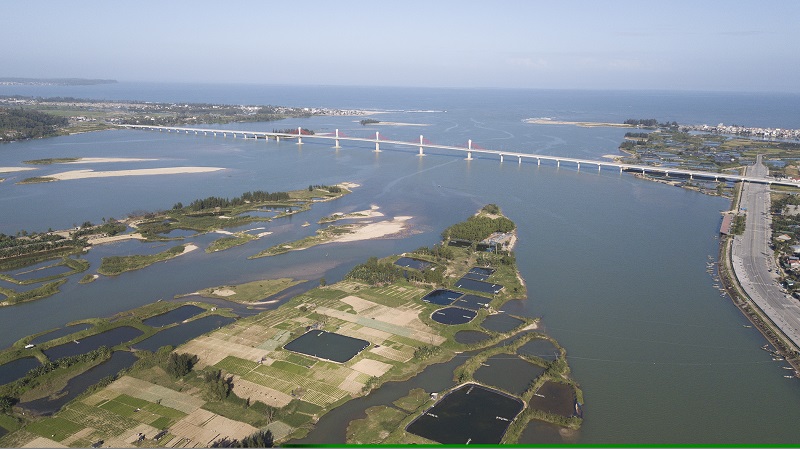
History & story.
Co Luy Co Thon is an oval sand islet at the confluence where the Tra Khuc and Kinh rivers merge before reaching the sea, in Nghia Phu commune, Tu Nghia district, Quang Ngai province. 'Co Luy' means ancient rampart — recalling the earthen embankments villagers built against flooding. 'Co Thon' means solitary hamlet — reflecting the geography of a small settlement unreachable by any road. Co Luy Co Thon is one of the 'Ten Scenic Beauties of Quang Ngai' recorded since the Nguyen dynasty, attracting scholars and poets over centuries who came to contemplate and compose verse in its presence.
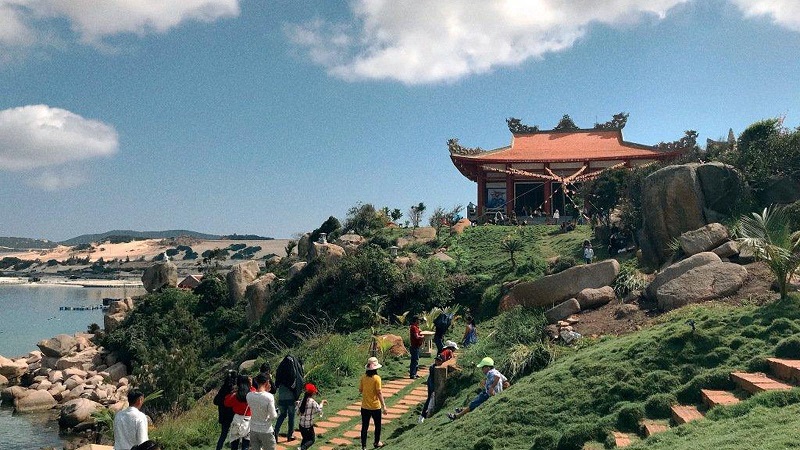
Co Luy Co Thon's scenery is defined by three elements: a dense hedge of green bamboo along the islet's edge, low thatched rooftops hidden behind bamboo fences, and wooden sampans resting along the riverbank. Viewed from the ferry at dawn when mist still drifts above the water, the entire scene merges into shades of jade — the boundary between bamboo, houses, water, and sky indistinct. Vietnamese photographers and painters have long sought its light and inspiration — Co Luy is likened to a 'living ink-wash painting' of central Vietnam. The villagers still earn their livelihood as their ancestors did centuries ago: hauling nets in the morning, mending them in the afternoon, their lives governed by the rise and fall of the tides.
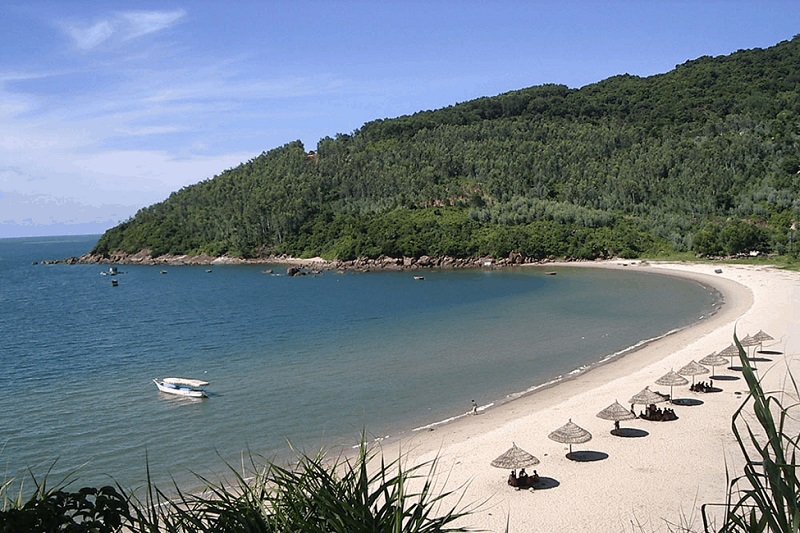
Co Luy Co Thon's most prized delicacy is river abalone (bào ngư sông) and freshwater shrimp — seafood pulled from fish traps set directly in the flowing current. Villagers prepare river abalone in the simplest way: boiled with ginger and dipped in garlic fish sauce — yet even prepared so plainly, the natural sweetness of the Tra Khuc abalone makes for a memorable culinary experience. During flood season (the 10th–11th lunar months), the river rises and Co Luy is partially submerged — villagers move their belongings to upper levels and continue life calmly with the natural rhythm they have known since childhood. The community maintains a tradition of river deity worship and annual sea-prayer ceremonies.
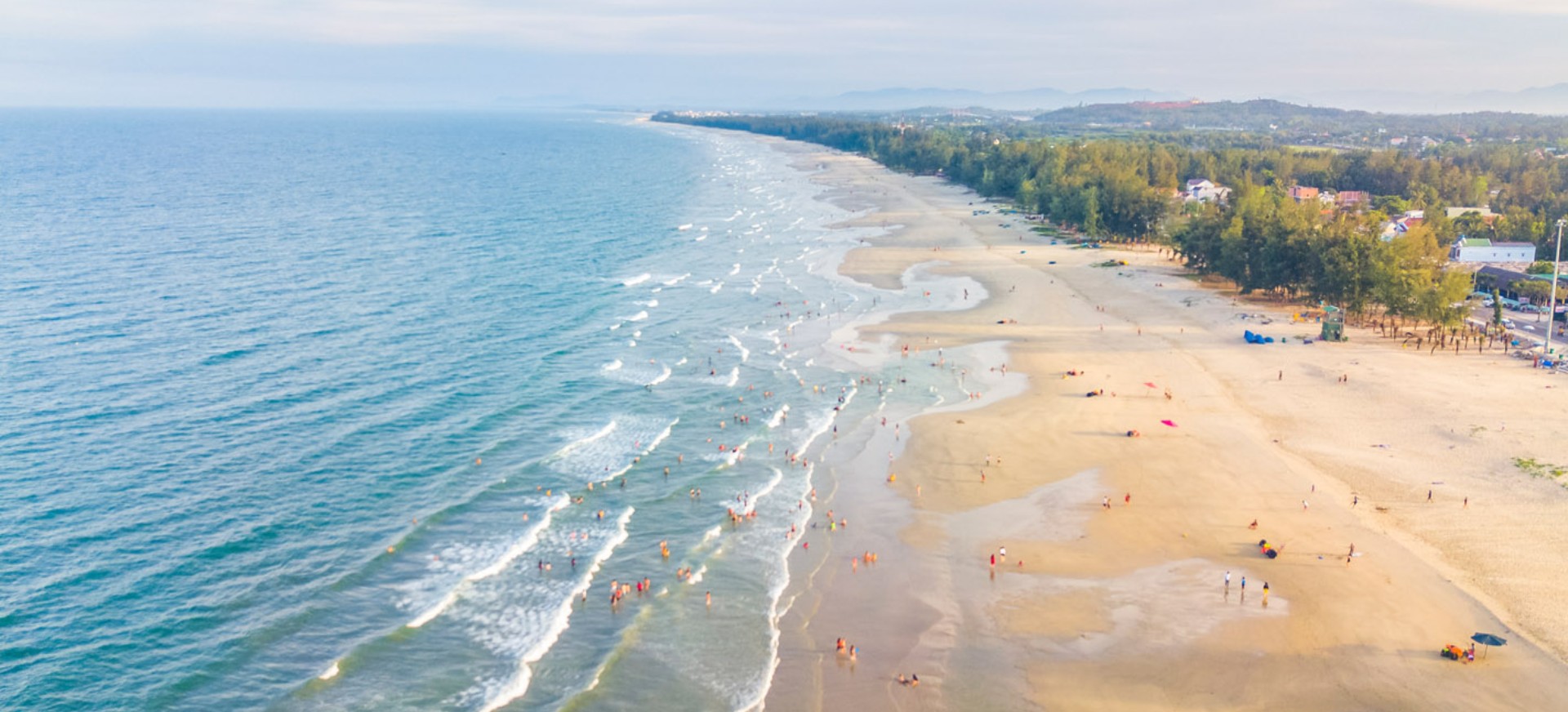
Co Luy Co Thon is a destination for visitors without hurry — no entrance gate, no signage, no tourist-facing shops. Only a small ferry to carry you across the river, and villagers who greet you with friendly glances. The ideal time is early morning when fishermen are just returning with their catch — the atmosphere animated, boats laden with fish and shrimp, and the sunrise behind the bamboo hedge an unforgettable sight. Late afternoon, when day's last light slants through the bamboo canopy, creates a photographic tableau that draws photographers from across Vietnam to Quang Ngai specifically to capture it.
On some mornings at Co Luy, I cannot paint because I do not know where to begin — nature has composed itself so perfectly that touching brush to canvas would only spoil it.
Họa sĩ Lê Bá Đảng, trích dẫn trong 'Quảng Ngãi qua tranh', 1970
Highlights not to miss.
The journey to Co Luy begins with a small ferry from the Co Luy wharf on the road into Nghia Phu commune. The hand-rowed sampan crosses the Kinh River in 5–10 minutes — and this crossing is itself part of the experience. In the early morning, mist on the water and the sound of oars on the river create the sensation of stepping into another world, entirely separate from urban rhythms.
Inside the islet, thatched and low-tiled rooftops hide behind rows of green bamboo — the traditional material used for both fencing and construction. Sampans of all sizes rest along the embankment, nets spread to dry on the bank or draped over bamboo branches — a workspace and living space not separated, as in every traditional Vietnamese fishing community. Children playing at the water's edge and elderly villagers mending nets are the most characteristic scenes of the late afternoon.
Co Luy villagers do not run restaurants — but if invited to share a family meal or if buying directly from a fisherman, visitors can try freshly boiled Tra Khuc river abalone, salt-grilled freshwater shrimp, and crispy fried hairtail fish. These are genuinely local flavours found on no restaurant menu in Quang Ngai. Early morning when fishermen have just returned and fish are still fresh from the net is the best time to buy the finest catch of the day.
Co Luy is at its most beautiful for one hour after sunrise — when mist still lingers and low-angle light filters through the bamboo canopy. After 9:00 AM the light becomes harsh and the landscape loses depth. If possible, linger until the mist has fully lifted to witness the complete colour progression of an early morning on the Tra Khuc at the river mouth.
How to visit & get there.
Getting to the Co Luy Ferry From central Quang Ngai city, ride a motorbike or take a taxi approximately **7 km east** toward Nghia Phu commune. **Ask locals** to point you to the Co Luy ferry — there are no large directional signs. Parking near the wharf costs around 5,000–10,000 VND.
Mindset and Manners **This is not a commercial tourist attraction** — no shops, no public toilets, no wifi. Come with the attitude of a respectful visitor to a living community. **Ask permission before photographing** residents and their homes. Bring water and a camera — that is all you need for a wonderful morning.
Sources
- 1.Cổ Lũy Cô Thôn — cảnh đẹp huyền bí Quảng Ngãi
Tạp chí Tổ Quốc · 2026-06-26
- 2.Cổ Lũy Cô Thôn — bức tranh sống động miền Trung
VietnamPlus · 2026-06-26