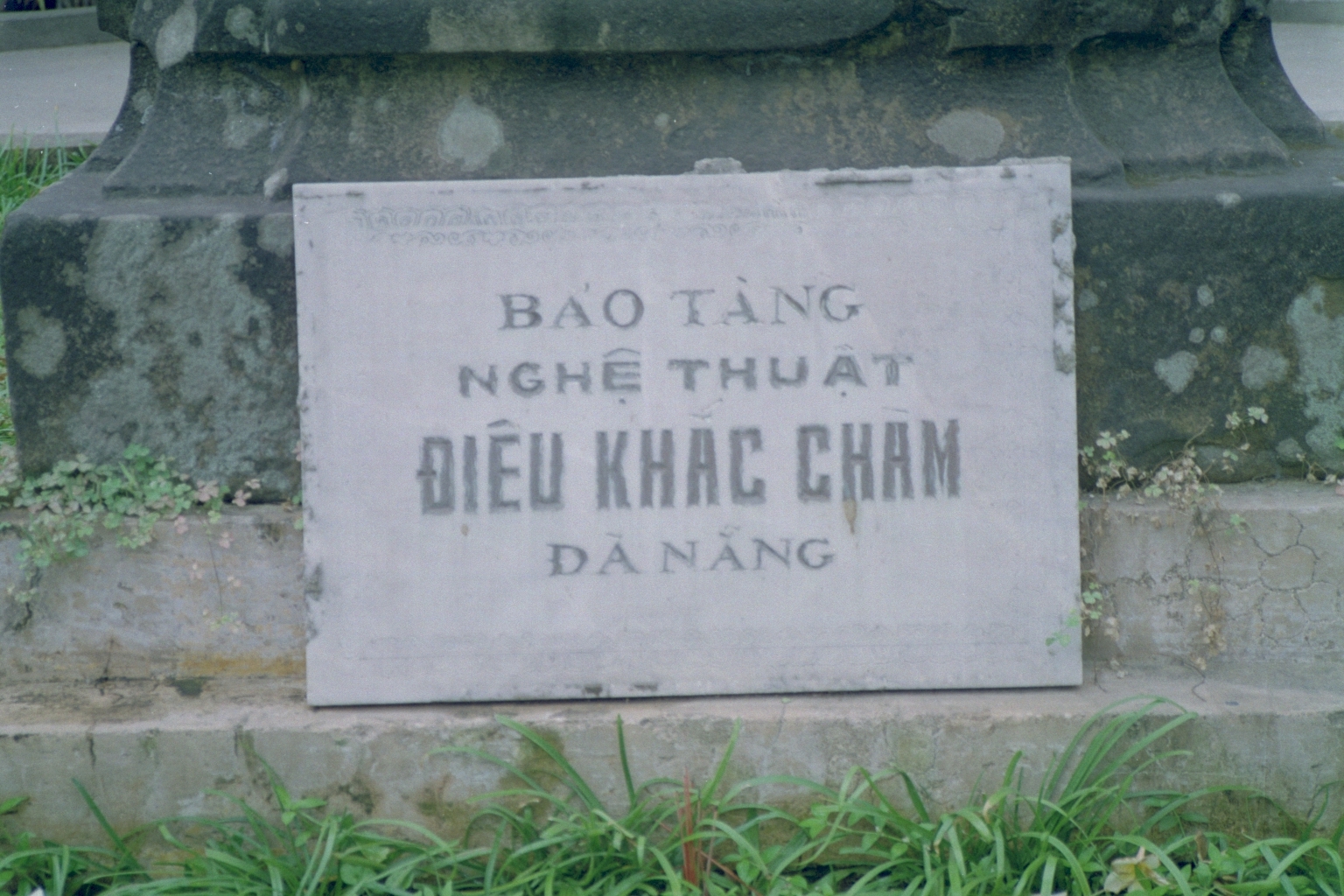
History & story.
In 1898, scholar Henri Parmentier of the French École française d'Extrême-Orient began systematically cataloguing Cham Pa towers scattered from Quang Tri to Binh Thuan province. Decades of excavation yielded an enormous collection of sandstone artifacts — and in 1915, right in Tourane (Da Nang), the world's first and only Cham sculpture museum was designed by Parmentier and inaugurated. The building's architecture is living Indochine heritage — sweeping Cham Pa tile roofs combined with French colonial pillared verandas, a fitting frame to display the art of a civilization that once dominated all of central Vietnam from the 2nd to the 15th century. The decision not to install electric lighting in the display rooms — relying on natural light through tile roofs and long windows — is both aesthetic and philosophical: recreating the sacred spaces where the Chams originally worshipped these figures.
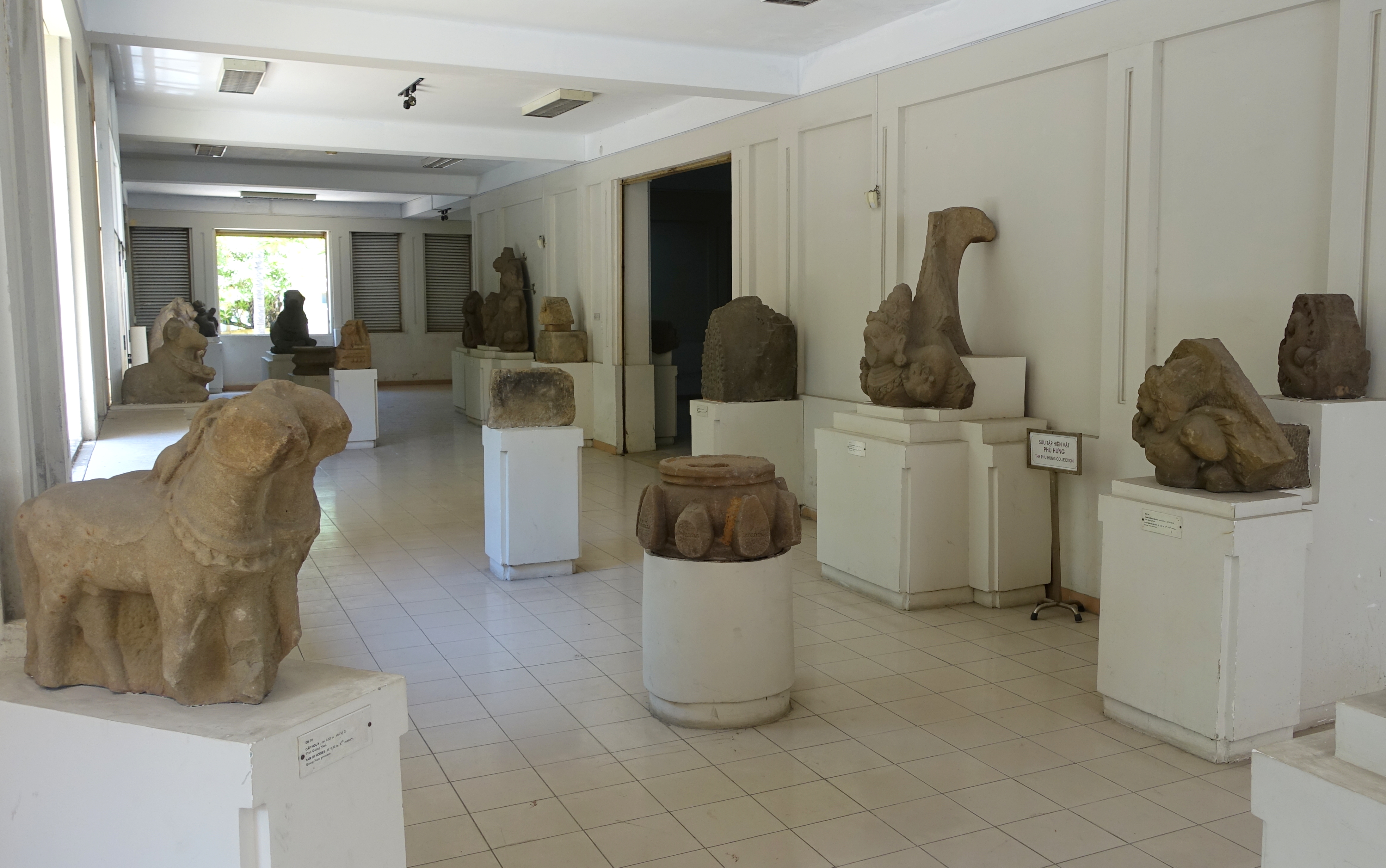
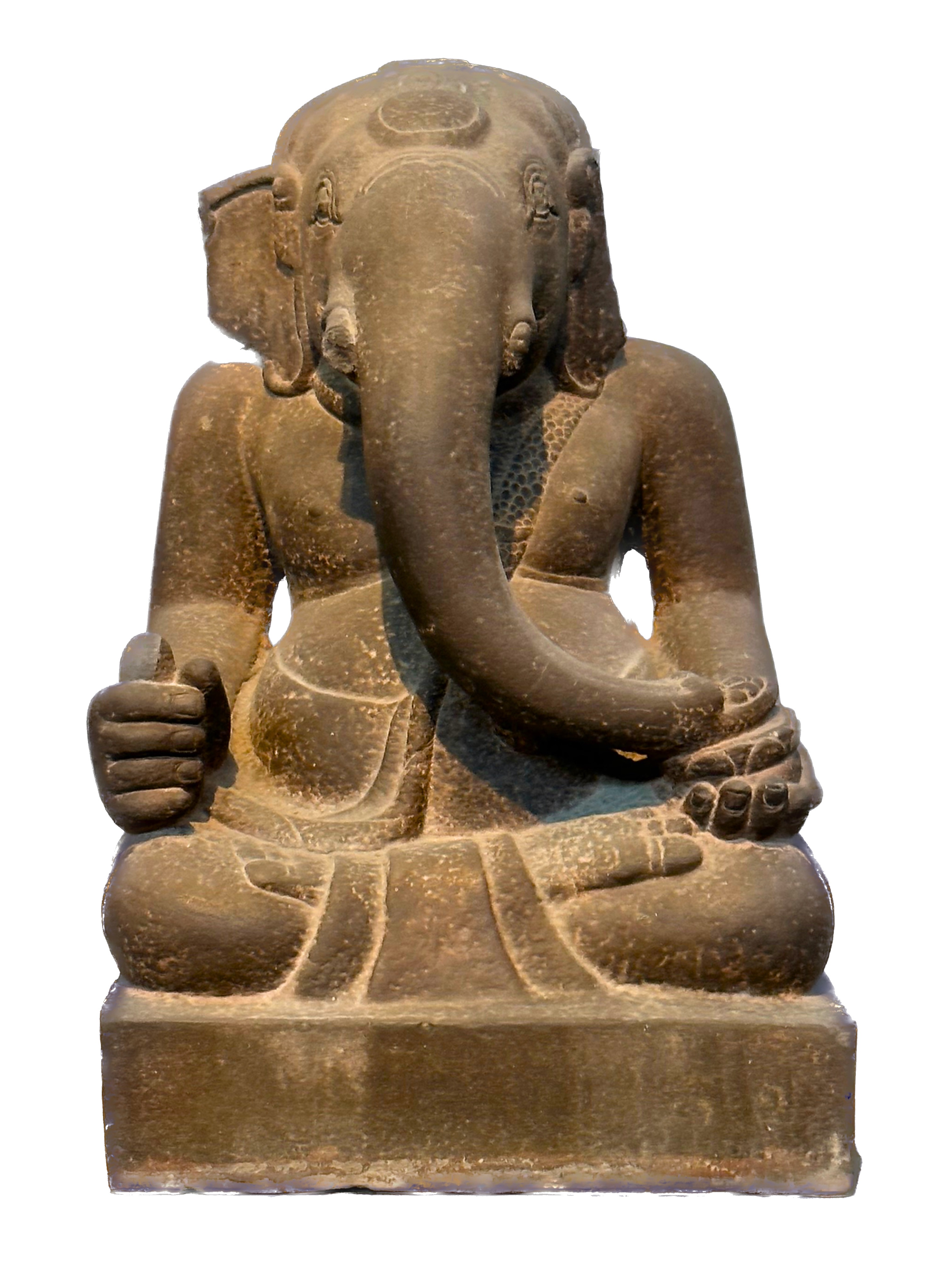
The most celebrated masterpieces include the Tra Kieu altar pedestal from the 10th century — densely carved with the abduction of Sita from the Ramayana in hundreds of finger-sized figures; a graceful 9th-century Ganesha from My Son with its characteristic rounded form and joyful expression; and a pair of Tra Kieu-style Apsara dancer figures curving in the tribhanga pose (three bends) with jewellery detail so fine that individual beads can be counted. All artefacts are displayed by geographic origin — My Son Room, Tra Kieu Room, Dong Duong Room, Thap Mam Room — allowing visitors to read the evolution of Cham artistic style across space and time, from pure Hindu influence at My Son to Buddhist synthesis at Dong Duong. This is an experience impossible to replicate in any other museum in the world.
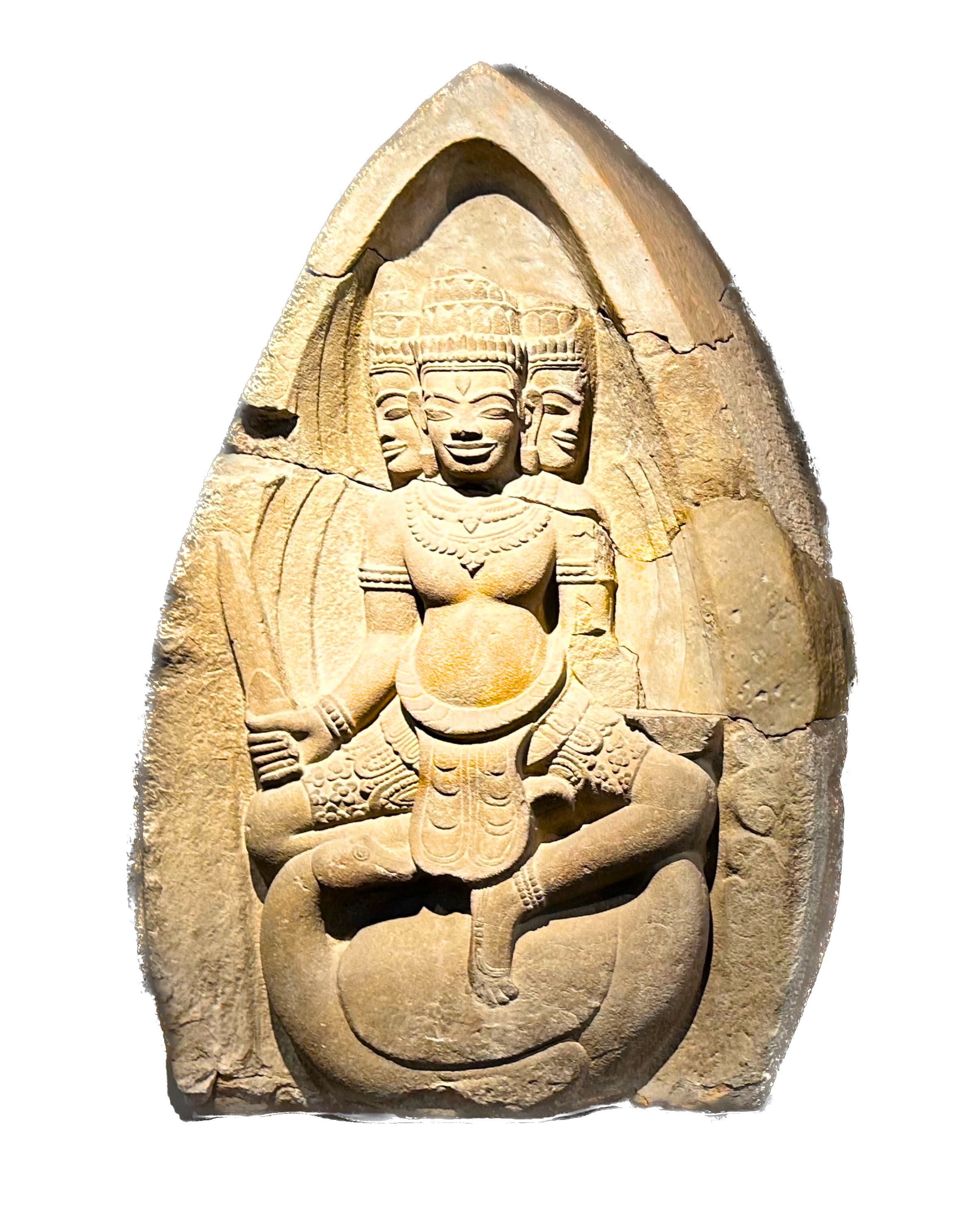
The museum functions as an international research center for Champa archaeology and art, regularly collaborating with universities from France, Japan, and India to decode works whose meaning remains contested. Many artefacts have been 3D-digitized for global scholars to study remotely. In 2024, the museum completed a major renovation adding new bilingual labels and interactive entrance maps. The question researchers still cannot answer: why did the Chams so abruptly abandon this great tradition of stone sculpture in the 15th century? The disappearance of a peak artistic civilization whose sole surviving testimony in this museum continues to captivate all who stand before it.
Leaving the museum, visitors carry with them an awareness of something: central Vietnam is not purely Kinh Vietnamese culture. The Hindu-Buddhist Champa civilization dominated this land for over a thousand years and left indelible marks on cuisine, place-name linguistics, architecture, and those silent stone dancers now resting in the museum space. Understanding Cham Pa is a prerequisite for understanding Hoi An, My Son, and the entire central coastline — and there is no better place to begin that journey than at this building on 2 Thang 9 Street.
Cham sculptural art is one of the most refined and captivating expressions of Asian art, blending Indian influence with the distinctively creative style of Southeast Asia.
Philippe Stern, Ecole Francaise d'Extreme-Orient
Highlights not to miss.
The Tra Kieu altar pedestal is the museum's most discussed artefact — a 10th-century sandstone block carved with dense scenes from the Ramayana's abduction of Sita, featuring hundreds of finger-sized figures with individual hair strands and garment folds. Scholar Philippe Stern of EFEO called it 'the apex of stone narrative art in Asia.' The piece resides in the Tra Kieu Room — allow at least 15 minutes to walk around all four faces.
The pair of 10th–11th century Tra Kieu-style Apsara dancer figures are the museum's most photographed pieces — their entire bodies curving in the tribhanga dance pose (three bends), faces wearing an enigmatic smile, jewellery and skirt patterns carved so finely that individual beads can be counted. Early morning natural light from the eastern windows creates shadows that accentuate every curve — the key reason to arrive before 9 am.
The museum building designed by architect Henri Parmentier in 1915 is a vivid example of the Indochinese style — sweeping Cham tile roofs combined with French colonial pillared verandas along two long gallery corridors. The absence of electric lighting in display spaces is an intentional design decision from the outset — light entering through tile roofs and low windows creates a sacred atmosphere that evokes original Cham sanctuary spaces. The 2024 major renovation preserved this natural-light principle intact.
Ten display rooms are named after excavation sites: My Son Room (Hindu sanctuary 4th–13th centuries), Tra Kieu Room (Champa's oldest capital), Dong Duong Room (9th-century Cham Buddhist center), Thap Mam Room (Binh Dinh province). This arrangement reveals the stylistic evolution of Cham art by geography and religious belief — from pure Hindu influence at My Son to Buddhist synthesis at Dong Duong. Interactive maps installed in 2024 at the entrance help orient your route through the galleries.
Bring your camera but note that flash photography is prohibited in some rooms. Natural light inside the museum is excellent in the morning — the ideal time to photograph the sculptures without flash.
How to visit & get there.
Getting There
The museum stands at the corner of Tran Phu and 2 Thang 9 streets in central Da Nang — walkable from most hotels near the Han River and Dragon Bridge (5–15 minutes). Arrive before 8:30 am for the best natural light in the display rooms and to beat tour groups that arrive after 9 am. Rent an audio guide at the ticket desk or pre-book an English or Vietnamese guide at chammuseum.vn.
Optimal Route Inside
Allow at least 1.5–2 hours to cover all ten rooms: begin at the My Son Room (left), continue through Tra Kieu, Dong Duong, and Thap Mam in chronological order. Do not miss the Tra Kieu Altar Pedestal — stand close and examine all four carved faces. The central courtyard garden displays large relief sculptures outdoors, giving a different sense of scale compared to the indoor pieces.
Day Combination
The museum pairs ideally with the Marble Mountains on the same day (10 km south) for a complete Cham cultural experience from museum sculpture to actual standing Cham towers. Buy Cham art books at the gift shop — the best reference materials available in Vietnamese and English, difficult to find elsewhere.
Sources
- 1.Giới thiệu Bảo tàng Điêu khắc Chăm Đà Nẵng
Bảo Tàng Điêu Khắc Chăm Đà Nẵng · 2025-01-15
- 2.Museum of Cham Sculpture
Lonely Planet · 2025-01-15
- 3.Museum of Cham Sculpture, Da Nang
Vietnam Tourism · 2025-01-15