Story & history.
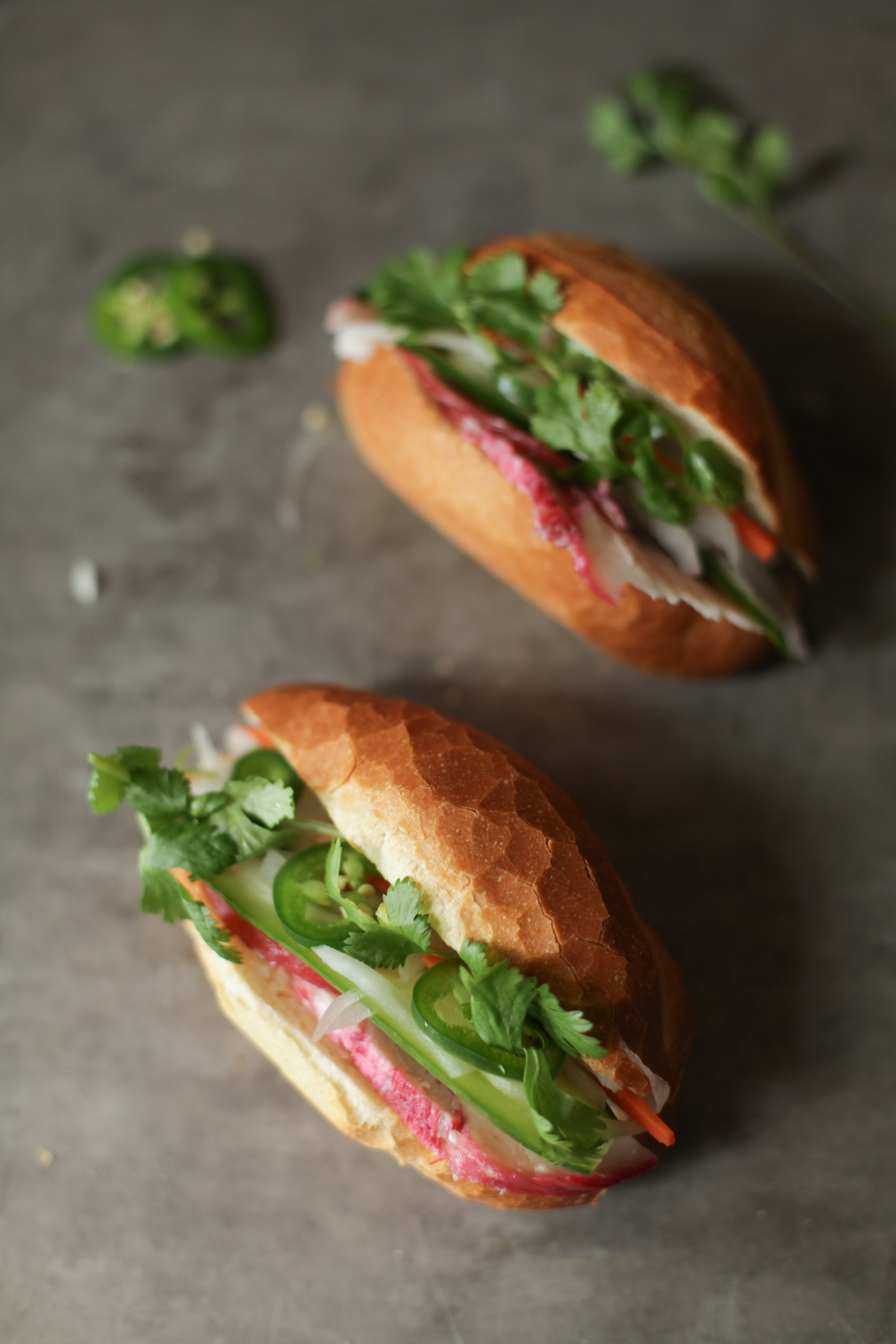
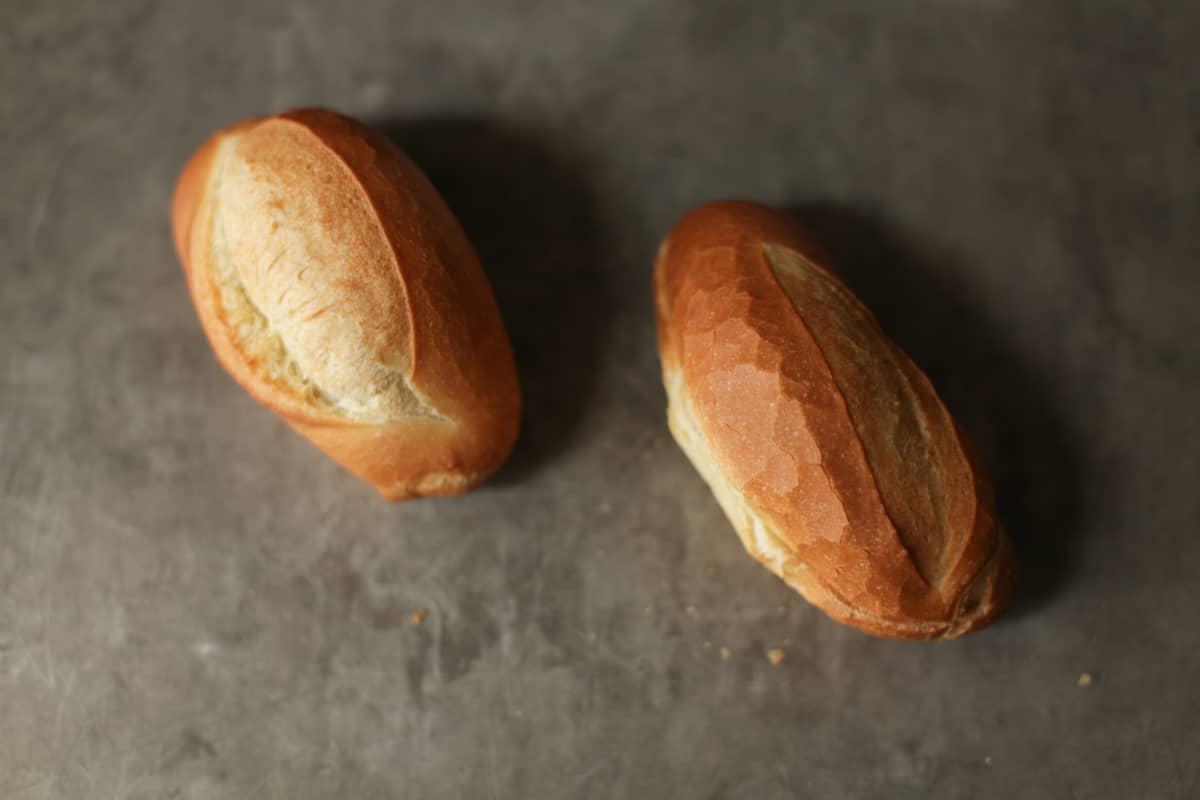
Hanoi banh mi is the northern version of Vietnam's iconic street food — a crispy French baguette filled with an array of ingredients from liver pate, sausage, and ham to grilled pork and fried egg, all finished with fresh cilantro, cucumber, fresh chili, and a touch of chili sauce or mayonnaise creating one of the most seamless East-West cultural fusions imaginable. Banh mi arrived in Vietnam during the French colonial period of the 19th century when the French introduced Baguette baking to Indochina — but the Vietnamese completely reinvented it by adding local ingredients and lightening the crust to suit the tropical climate. Hanoi banh mi differs from Saigon banh mi in several ways: the loaf is typically smaller and crispier, fewer filling varieties but each ingredient more carefully selected, and generally less hoisin sauce or thick condiments than in the southern version. Enjoying a hot fried-egg banh mi on a Hanoi sidewalk in the early morning with a cup of egg coffee — this is the morning ritual Hanoians have practiced every day for decades.
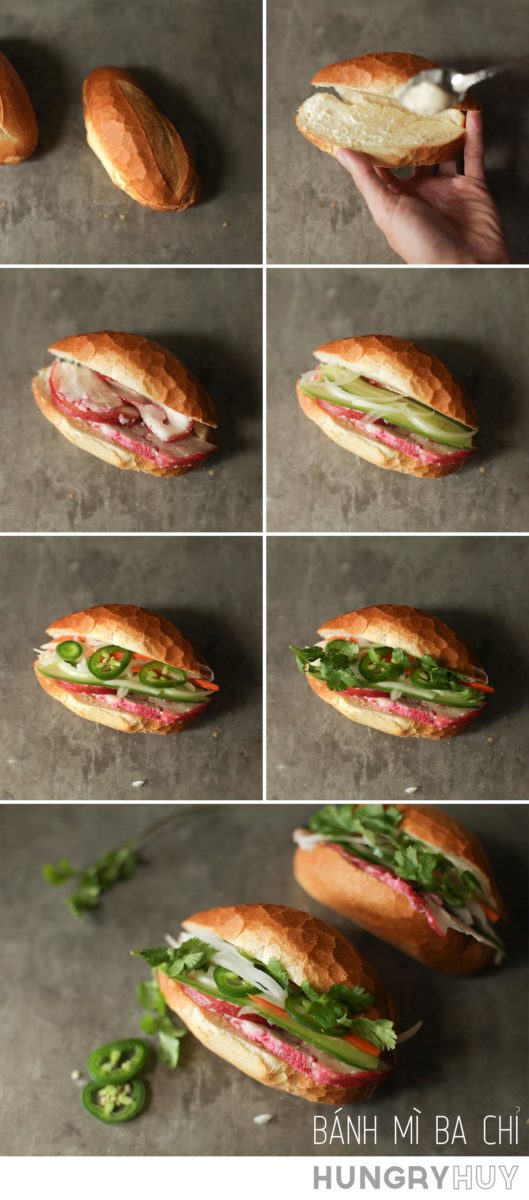
Hanoi banh mi vendors are typically not shops but sidewalk pushcarts or small stalls — the owner's hands move with the speed and precision of someone who assembles hundreds of sandwiches every day: split the loaf lengthwise, spread pate and butter, add filling, drizzle sauce, wrap in wax paper, hand to customer in under 30 seconds. The art of assembling a great banh mi lies in ratio: enough pate to soak into the bread, not so much filling that the loaf tears, and fresh herbs moist enough to balance the crispiness of the crust. Ly Quoc Su street, Dinh Le street, and the Hoan Kiem area concentrate Hanoi's most celebrated banh mi carts — some stalls have served customers for decades and see long queues each morning. The price of a good Hanoi banh mi typically ranges from 20,000 to 40,000 dong — one of the most delicious and affordable breakfasts available in any city anywhere in the world.
Vietnamese banh mi was recognized by the Oxford Dictionary in 2011 with the Vietnamese name 'Banh mi' as a standalone English word — an event reflecting the global influence of Vietnamese street food. From a food of French colonizers, banh mi was completely Vietnamized and became one of Vietnam's most significant cultural culinary contributions to the world — appearing on menus of upscale restaurants in New York, London, and Tokyo simultaneously with sidewalk carts in Hanoi. The Hanoi version with its restraint and refinement in ingredient selection is a distinctive and proud representative of the capital's culinary culture — where ingredient quality is always placed above quantity and ostentation.
"Biting into a streetside bánh mì at 7am on a Hanoi winter morning — that crunch is the sound of a proper start to the day."
— Bánh mì Hàng Cân, ghi chép Báo Nhân Dân 2022
Ingredients — what makes the flavour.
Fried-egg bánh mì — crispy shell, fried egg, pâté, and a little pickle — is the most popular near-vegetarian variant and one of Hanoi's best breakfast options.
How to enjoy it properly.
Eat hot
Hanoi bánh mì is best eaten immediately after baking — the crust loses its crunch quickly.
Choosing your filling
For a first visit, order 'đặc biệt' (special) — usually includes all fillings. Add fresh chili for heat.
Editor-recommended eateries.
ⓘ Addresses and prices may change. Please verify before visiting.